Choosing a proper male name for your son once implied a choice from a strictly formal, often multi-syllabic, register: William, Alexander, Theodore. The short forms and affectionate diminutives—Will, Alex, Theo—were charming, but relegated to casual use. Today, that landscape has delightfully shifted, and the very names we once considered ‘nicknames’ are now powerful contenders for a birth certificate, standing confidently as official legal names.
At a Glance: Choosing a Standalone “Nickname”
- Understanding the Evolution: Grasp how traditionally informal names are now widely accepted as proper male names.
- Defining Your Terms: Learn the nuanced differences between nicknames, short forms, and diminutives, and how they all now serve as standalone options.
- Explore Popular Choices: Discover which beloved shortened names like Leo, Jack, and Charlie are leading the trend.
- Weigh the Pros & Cons: Understand the benefits and potential considerations of giving your son a standalone nickname.
- Get Practical Guidance: Arm yourself with actionable advice for confidently selecting a meaningful and fitting name.
The New Formal: When Brevity Becomes a Proper Male Name
The world of baby naming is dynamic, always reflecting cultural shifts. In recent decades, there’s been a clear move toward simplicity and authenticity. Parents are increasingly opting for names that feel familiar, approachable, and truly represent the identity they envision for their child from day one. This means bypassing the formal “long form” and going straight for the name they’ll actually use—the short, sweet, and often historically derived version. What was once exclusively a casual tag or a family endearment has now secured its place among proper male names, recognized on official documents, passports, and professional résumés.
Decoding the Terminology: Nicknames, Short Forms, and Diminutives
While often used interchangeably in casual conversation, there are subtle differences between these categories. Understanding them can help you appreciate the lineage and flavor of a name you might choose:
- Short Forms: These are simply truncated versions of longer, established names. Think Alex from Alexander, Ben from Benjamin, or Will from William. They retain a direct link to their original, more formal counterparts.
- Diminutives: Affectionate variations, often created by adding a suffix or simply softening a name. Jim for James, Bobby for Robert, or Teddy for Theodore/Edward are classic examples. These often carry a warmer, more familial feel.
- Nicknames (in the strictest sense): These are broader, often unrelated to the full name, or even purely invented. Buster, Chip, or Biff fall into this category. Some, like Dash (from Dashiell), started as specific short forms but have taken on an independent identity.
The key takeaway for expectant parents is that modern usage has blurred these lines considerably. All three categories now present viable and popular choices for a standalone proper male name on a birth certificate.
The Appeal of Standalone Short Forms: Why Parents Are Making the Leap
Why are so many parents choosing to forego the longer, traditional versions? Several compelling reasons contribute to this trend:
- Authenticity and Immediate Connection: Many parents realize they’ll always call their son by the short form. Naming him Max from day one feels more genuine than naming him Maximilian if Maximilian is never used. It creates an immediate, honest connection to his identity.
- Modern Vibe with Classic Roots: Names like Leo, Jack, and Charlie offer a contemporary feel without abandoning a rich history. They are fresh yet familiar, often rooted in centuries of tradition.
- Simplicity and Ease: Shorter names are easier to pronounce, spell, and remember. In an increasingly globalized world, a concise name can be a practical advantage.
- Distinctiveness: Sometimes, opting for the short form prevents confusion with other, more common full names. A standalone Theo might stand out more than another Theodore.
Leading the Charge: Popular Standalone Proper Male Names
The data clearly shows which names are rising stars, confidently shedding their “nickname” label to become full, official names. Here’s a look at some favorites, highlighting their origins and what makes them special:
Enduring Classics, Reimagined as Standalone Names
These names have a deep history, often as diminutives, but are now confidently chosen as primary names.
- Leo: A Latin name meaning “lion,” Leo has reached its highest popularity ever in the US. It’s strong, simple, and universally appealing. While often a short form of Leonardo or Leon, it stands powerfully on its own.
- Jack: Originating as an English diminutive of John (“God is gracious”), Jack has been a staple for decades, experiencing a resurgence in popularity akin to the 1920s and 30s. Its robust, friendly appeal is undeniable.
- Max: A crisp, strong name, Max is an English and German diminutive of Maximilian or Maxwell, meaning “greatest.” It’s confident and energetic, perfect on its own.
- Charlie: Originally a diminutive of Charles (meaning “free man”), Charlie has shed any lingering informal connotations to become a beloved proper male name. It’s friendly, warm, and utterly charming.
- Theo: This name, meaning “gift of God,” is a diminutive of Theodore. It re-entered the US Top 1000 in 2010 after a 60-year absence, signaling a strong preference for its approachable sound.
- Harry: A classic diminutive of Henry (“estate ruler”), Harry is immensely popular in the British Isles and gaining traction in the US. It carries a regal yet down-to-earth charm.
- Hank: A German diminutive of Henry, Hank offers a rugged, friendly, and distinctly American feel. It’s a strong choice for parents seeking a name with character.
- Gus: Once a “homey grandpa nickname” for names like Augustus or Gustave, Gus is back on the Top 1000 after decades, celebrated for its vintage charm and approachability.
- Kit: This English diminutive of Christopher (“bearer of Christ”) is understated yet distinctive, offering a cool, literary vibe.
Modern Charms & Unique Brevity
Beyond the traditional diminutives, other short names, some with longer histories, are being embraced for their distinctive sound and contemporary feel.
- Dash: Energetic and sprightly, Dash is a standalone name, often originating from Dashiell. It evokes speed and vibrancy.
- Beck: A strong, monosyllabic name of English origin, meaning “small stream.” Beck is crisp and natural.
- Nico: An Italian diminutive of Nicholas, meaning “people of victory.” Nico offers a sophisticated and international flair.
- Remy: A fast-rising French name of Latin origin, meaning “oarsman.” Remy is sleek, modern, and unisex-friendly.
- Archie: A beloved diminutive of Archibald (“truly brave”), Archie has seen a surge in popularity, particularly internationally, due to royal connections.
- Zeke: A punchy diminutive of Ezekiel, meaning “God strengthens.” Zeke is strong, biblical, and modern all at once.
- Nash: An English name meaning “by the ash tree,” Nash is cool, sophisticated, and has a contemporary feel without being trendy.
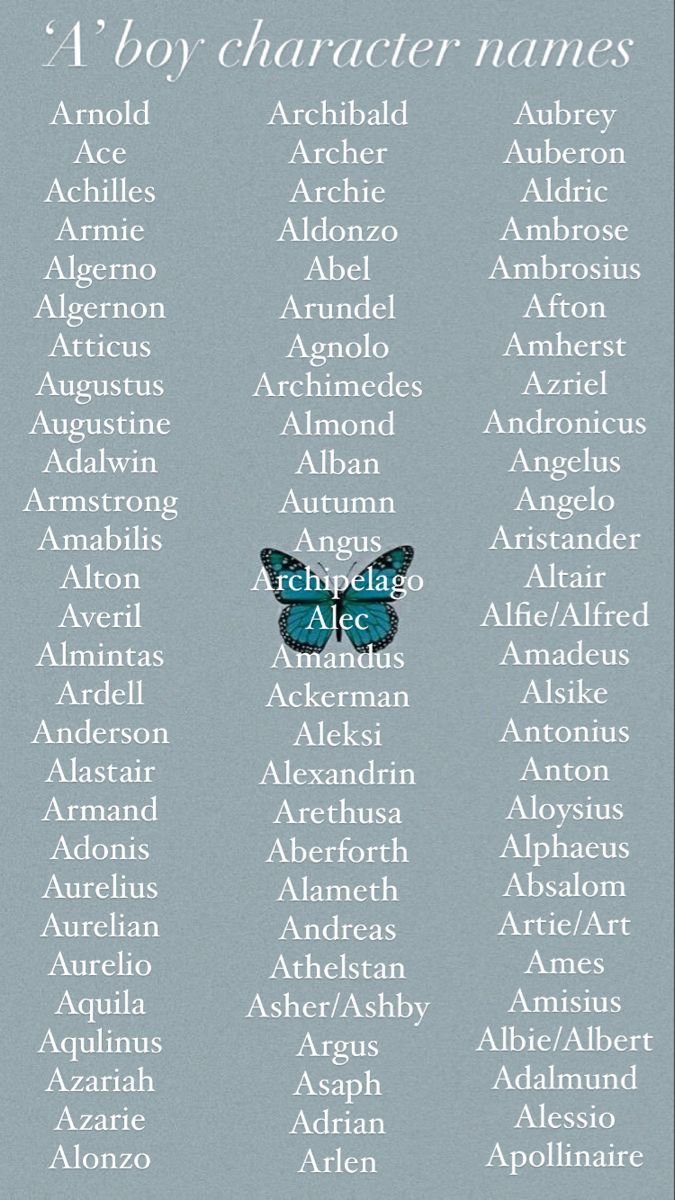
For a broader exploration of these types of names and many more, you can Browse our boy nickname list.
Making the Call: Benefits and Considerations of a Standalone Name
Deciding on a standalone short form or nickname for your son involves weighing its many advantages against a few potential considerations.
The Upsides
- Clear Identity: Your son will always be known by the name you give him, avoiding the awkwardness of a formal name rarely used.
- Modern and Approachable: These names often sound current, friendly, and less formal, which can be perceived as an asset in many social and professional contexts.
- Memorability: Shorter names tend to be easier for others to remember and spell, reducing potential miscommunications.
- Unique, Yet Familiar: Many standalone options strike a perfect balance, offering something distinct without being unfamiliar or hard to pronounce.
Potential Considerations
- Perceived Informality: While rapidly changing, some may still view a standalone nickname as less formal than a full given name, particularly in very traditional environments.
- Lack of a “Formal Fallback”: If your son grows up and wishes he had a longer, more traditional option, he won’t have one readily available. This is a personal preference, of course.
- Professional Context (Evolving): Historically, some worried about professional gravitas. However, with the rising popularity of these names, this concern is rapidly diminishing. A “President Charlie” or “Dr. Gus” is no longer unthinkable.
- Diminutive Nature: Names like Teddy or Gus, while charming, can sound quite youthful. Consider if you feel they will age well with your son into adulthood.
Your Practical Playbook for Choosing the Perfect Standalone Name
Selecting a proper male name that is also a standalone short form or nickname requires thoughtful consideration. Here’s a step-by-step guide to help you confidently make your choice:
- Say it Out Loud, Often: Practice saying the name with your last name. Does it flow well? Is it easy to pronounce? How does it sound when you’re calling him across a park, or when he’s being introduced formally?
- Visualize the Ages and Stages: Imagine your son as a baby, a playful toddler, a teenager, and then a grown man in a professional setting. Does the name still feel right at every stage? Names like Leo, Max, or Jack often excel at this.
- Consider the Meanings and Origins: Even in short form, names carry history. Does Leo’s “lion” meaning resonate? Does Theo’s “gift of God” align with your hopes? Understanding the roots can add depth to your choice.
- Initial Impact: How does the name’s initial sound combine with your last name? Avoid combinations that create unfortunate acronyms or sound awkward.
- Family & Cultural Context: Does the name honor a family member? Does it fit within your cultural heritage or traditions, even if it’s a shortened form?
- Trust Your Gut: Ultimately, the best name is the one that feels right in your heart. If you love it, and it meets your practical considerations, that’s what truly matters.
Quick Answers: Addressing Common Questions
Is it truly okay to put a nickname on a birth certificate?
Absolutely. It is not only okay but increasingly common and widely accepted. Naming conventions have evolved, and what constitutes a “proper male name” is now far more inclusive of shorter, informal options. Names like Leo, Jack, Charlie, and Max are consistently in the top ranks of official names.
Will choosing a standalone nickname hinder my son professionally later in life?
Unlikely, especially with the current trends. As more and more individuals are given these names at birth, the perception of them being “informal” is fading. What truly matters in professional settings is competence, character, and conduct, not whether one’s name is William or Will.
What’s the biggest difference between a “nickname” and a “short form” for birth certificate purposes?
For birth certificate purposes, the distinction is almost irrelevant now. Both are being officially registered as standalone names. Historically, a short form (like Alex from Alexander) was a direct shortening, while a nickname (like Buster) could be anything. Today, parents choose based on sound and preference, not strict etymological rules for official registration.
Are there any names that shouldn’t be used as a standalone official name?
While personal preference reigns, exercise caution with names that are too overtly cutesy or strongly tied to childhood (e.g., “Pookie” or “Snuggles”). Also, be mindful of any potential negative connotations or names that are widely recognized as offensive. The key is to choose a name that can gracefully mature with your child.
Confidently Naming Your Son
The journey of choosing a proper male name is a profound one. The beauty of today’s naming landscape is the freedom it offers to select a name that truly resonates with you and your family, whether it’s a centuries-old formal name or a beloved short form or nickname that now stands tall on its own. Embrace this flexibility, trust your instincts, and confidently choose a name that will serve your son well through all chapters of his life.

- Where Did the Irish Name Liam Come From? - October 4, 2026
- How Rare Is The Name Liam Anymore? Its Journey To Peak Popularity - October 3, 2026
- Defining Liam Involves Its Meaning, Irish Roots, And Top Spot - October 2, 2026