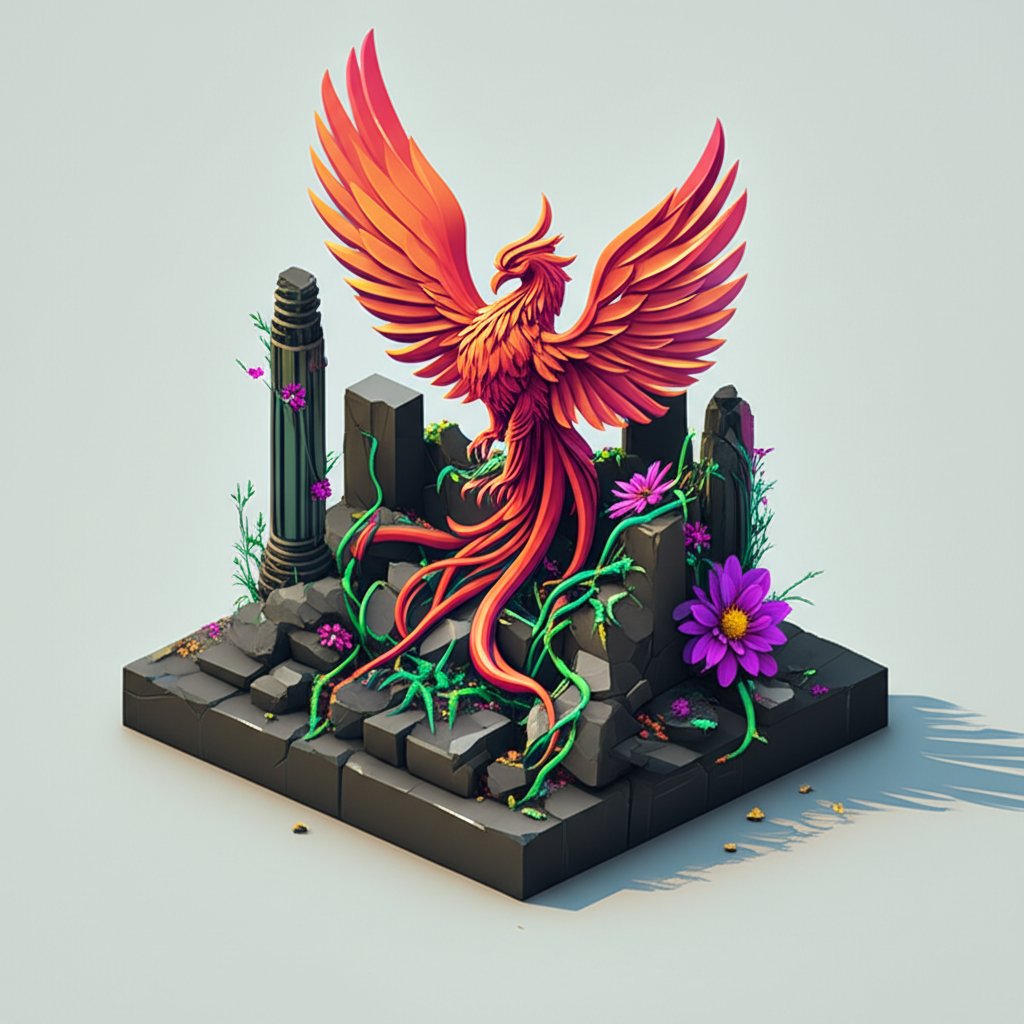
Choosing a name is one of the first, most lasting gifts you give a child. While many parents gravitate towards names meaning “love” or “light,” a growing number are seeking something with more grit. The search for powerful female names meaning destroyer isn’t about celebrating chaos; it’s about honoring a profound and often misunderstood type of strength—the power to dismantle the old to make way for the new. These names carry a legacy of resilience, transformation, and the unshakeable will to forge a new path.
They aren’t just labels; they are declarations of inner fortitude. A name meaning “destroyer” can be a daily reminder of one’s ability to overcome obstacles, break down barriers, and create radical, positive change.
At a Glance: What You’ll Discover
- The Deeper Meaning: Understand why “destroyer” in this context signifies renewal and justice, not negativity.
- Mythological Powerhouses: Explore names of goddesses and figures who wielded destructive power for a greater purpose, from Kali to Persephone.
- Direct & Definitive: Get a curated list of names that directly translate to “destroyer,” “end,” or “ruin” and their cultural origins.
- A Practical Framework: Learn how to choose a name that balances a potent meaning with modern wearability and personal significance.
- Answers to Key Questions: Address common concerns about choosing such a bold and unconventional name.
The Power of Destruction as a Force for Renewal
In nature, fire clears a forest floor so new seedlings can reach the sun. In stories, heroes must often tear down corrupt systems to build a just society. This is the essence of “destroyer” names. They don’t represent malice but embody the necessary and often courageous act of clearing a path.
This concept taps into a broader desire for names that feel substantial and empowering. While the full spectrum of such names is vast, exploring Names With A Powerful Edge reveals a common thread: parents want names that equip a child with a sense of their own potential. Female names meaning destroyer are a potent subset of this trend, focusing specifically on transformative strength.
Think of these names as symbols of:
- Radical Transformation: The power to fundamentally change a situation.
- Protective Ferocity: Destroying threats to protect loved ones.
- Setting Boundaries: The strength to end what is no longer healthy or just.
- Resilience: The ability to endure an ending and emerge to lead a new beginning.
Mythological Figures: Goddesses of War, Vengeance, and Transformation

Mythology is the richest source for these powerful names. Ancient cultures understood that destruction and creation were two sides of the same coin, often embodied by their most formidable goddesses.
Greco-Roman Deities of Destruction and Justice
The Greek and Roman pantheons are filled with complex female figures who controlled life, death, and justice. Their names carry an echo of classical power and dramatic weight.
- Persephone: Directly translating to “bringer of destruction,” Persephone is far more than a victim of the underworld. As its queen, she wields immense authority. Her annual return to the world brings the renewal of spring, making her the ultimate symbol of life emerging from death and destruction.
- Alecto: Her name means “the unceasing,” and she was one of the Furies—divine beings who pursued and punished wrongdoers. Alecto represents relentless justice and the idea that some things should not be forgiven or forgotten. It’s an incredibly bold choice for a child destined to be a voice for the voiceless.
- Enyo: As the Greek goddess of war and a companion to Ares, Enyo reveled in the destruction of cities. Her name is short, sharp, and unapologetically fierce, symbolizing pure, untamed strength.
- Nemesis: The goddess of divine retribution, Nemesis didn’t cause destruction randomly. She brought it to those whose pride (hubris) had grown too great. A child named Nemesis would carry a legacy of balance, consequence, and fighting for fairness.
Norse and Celtic Queens of Fate and Battle
Norse and Celtic lore offer names imbued with the wild, untamed energy of the northern landscapes. These figures are often tied to fate, winter, and the raw power of the battlefield.
- Skaði (Skadi): A Norse giantess and goddess associated with winter, mountains, and the hunt. Her name is linked to “harm” or “damage,” reflecting the harsh, destructive power of a blizzard. Yet, she is a figure of fierce independence and resilience, who demanded reparations from the gods and chose her own path.
- The Morrigan: An Irish phantom queen of war, fate, and death. Often appearing as a raven, The Morrigan didn’t just participate in battles—she influenced their outcomes. Her name means “great queen” or “phantom queen,” and she represents the terrifying, beautiful, and inevitable power of destiny.
Voices from Hindu, Egyptian, and Semitic Lore
These ancient traditions provide some of the most profound and widely recognized “destroyer” figures, where destruction is explicitly linked to divine protection and the cosmic order.
- Kali: Perhaps the most famous destroyer goddess, her name means “she who is black” or “she who is death.” In Hinduism, Kali is the fierce form of the mother goddess who destroys evil in order to protect the innocent. She is a symbol of time, change, and the ultimate reality. To name a child Kali is to honor a power that is both terrifying to evil and profoundly compassionate to her devotees.
- Sekhmet: The Egyptian warrior goddess of healing, her name means “she who is powerful.” In one myth, her rage nearly destroyed all of humanity before she was tricked into stopping. This duality makes her fascinating—a force of absolute destruction that is also the ultimate protector and healer.
- Lilith: A figure from ancient Semitic lore, her name is often translated as “night monster.” In modern interpretations, she has been reclaimed as a symbol of feminine independence and rebellion. She represents the destruction of patriarchal norms and the courage to refuse subjugation.
- Mazikeen: A name of Hebrew origin meaning “those who do harm,” famously used for a demon character in the TV series Lucifer. Its sharp, modern sound has made it a popular choice for parents seeking an edgy name with deep, ancient roots.
Finding the Right Balance: Strength, Sound, and Significance

Choosing a name with such a potent meaning requires thought. You want a name that empowers, not overwhelms. Here’s how to navigate the options.
Names with Direct “Destroyer” Meanings
If you’re looking for a name where the meaning is clear and direct, these options from various languages are excellent starting points.
| Name | Origin | Meaning & Context |
|---|---|---|
| Amaia | Basque | Meaning “the end.” It has a soft, melodic sound that contrasts beautifully with its powerful, definitive meaning. |
| Deianeira | Greek | “Man-destroyer” or “destroyer of man.” In mythology, she was the wife of Heracles. It’s a bold, historical choice. |
| Maacah | Hebrew | Meaning “to press” or “to crush.” A biblical name with a surprisingly gentle sound for such a strong meaning. |
| Kasmira | Slavic | Has a dual meaning: “to destroy peace” or “to command peace.” This duality captures the essence of a powerful protector. |
| Persephone | Greek | “To destroy” or “to murder.” As discussed, her story reclaims this meaning as a force for cyclical renewal. |
| Dushya | Hindi | A name meaning “destroyer of evil,” framing the act of destruction in a purely heroic and protective context. |
Considering Sound and Modern Wearability
The weight of a name’s meaning is balanced by how it sounds and feels in daily life.
- Assess the Vibe: A name like Skaði feels ancient and elemental, while Mazikeen feels modern and edgy. Amaia is lyrical and approachable, making its powerful meaning a hidden secret.
- Think About Nicknames: A formidable name can be softened or personalized with a nickname. A Persephone might be known as Percy, Sephie, or Effie. A Kasmira could go by Kas or Mira.
- Say It Aloud: How does the name flow with your surname? Some powerful names are long and multisyllabic (Deianeira), while others are short and impactful (Enyo).
Your Questions About “Destroyer” Names, Answered
It’s natural to have questions when considering such an unconventional name. Here are answers to the most common concerns.
Q: Are female names meaning destroyer too negative for a child?
A: Not at all. The historical and mythological context almost always frames “destruction” as a necessary force for renewal, justice, or the removal of evil. Names like Kali or Sekhmet destroy negativity to protect and heal. The meaning is one of profound strength, not malice. It’s about empowering a child to be a force for change.
Q: What’s the difference between a “destroyer” name and a “warrior” name?
A: While related, “warrior” names (like Bellatrix or Freya) often emphasize the act of combat, strategy, and endurance in a fight. “Destroyer” names focus more on the ultimate outcome—the fundamental change or obliteration of a state, an obstacle, or an evil. A warrior fights the battle; a destroyer ends the war.
Q: Are there any softer-sounding names with this powerful meaning?
A: Absolutely. Amaia, a Basque name meaning “the end,” is soft and melodic. Marzanna, a Slavic goddess of winter and death, is also associated with the rebirth of spring, offering a beautiful connection to the cycle of destruction and renewal. Finally, Damaris, a Greek name meaning ‘to tame’ or ‘subdue’, implies the destruction of challenges through mastery and control.
How to Choose a Name That Resonates
Ready to find the perfect name? Use this simple framework to guide your decision.
1. Define Your “Why”
First, clarify what aspect of “destroyer” you want to honor. Are you looking for a name that symbolizes…
- Overcoming Obstacles? Consider Damaris (‘to subdue’) or Skaði (a goddess who overcame the gods’ power).
- Fighting for Justice? Look to Nemesis (divine retribution) or Alecto (‘the unceasing’ pursuer of wrongdoers).
- Radical Transformation? Persephone (queen of rebirth) and Kali (destroyer of demons) are prime examples.
- Fierce Independence? Lilith (symbol of rebellion) and The Morrigan (a queen beholden to no one) fit perfectly.
2. Explore the Cultural Context
Read the stories behind the names that catch your eye. Do you connect with the righteous fury of Sekhmet or the cyclical power of Persephone? Choosing a name from a culture you respect and understand adds a layer of integrity to your choice.
3. Test for Livability
A name exists in the real world. Say it aloud with your last name. Brainstorm potential nicknames. Imagine it on a playground, a diploma, and a boardroom door. The right name will feel both powerful in its meaning and natural in its daily use.
Choosing a female name meaning destroyer is a bold, empowering act. It’s a decision to gift a child a legacy not of ruin, but of resilience. It is the quiet confidence of knowing you have the strength to clear your own path, to tear down what holds you back, and to build a future of your own design.

- Names That Mean Protector Exploring Strong Roots and Noble Meanings - March 27, 2026
- Names That Mean Protect and Embody Strength and Loyalty - March 25, 2026
- Explore Names Meaning Giver of Life for Your New Baby - March 24, 2026