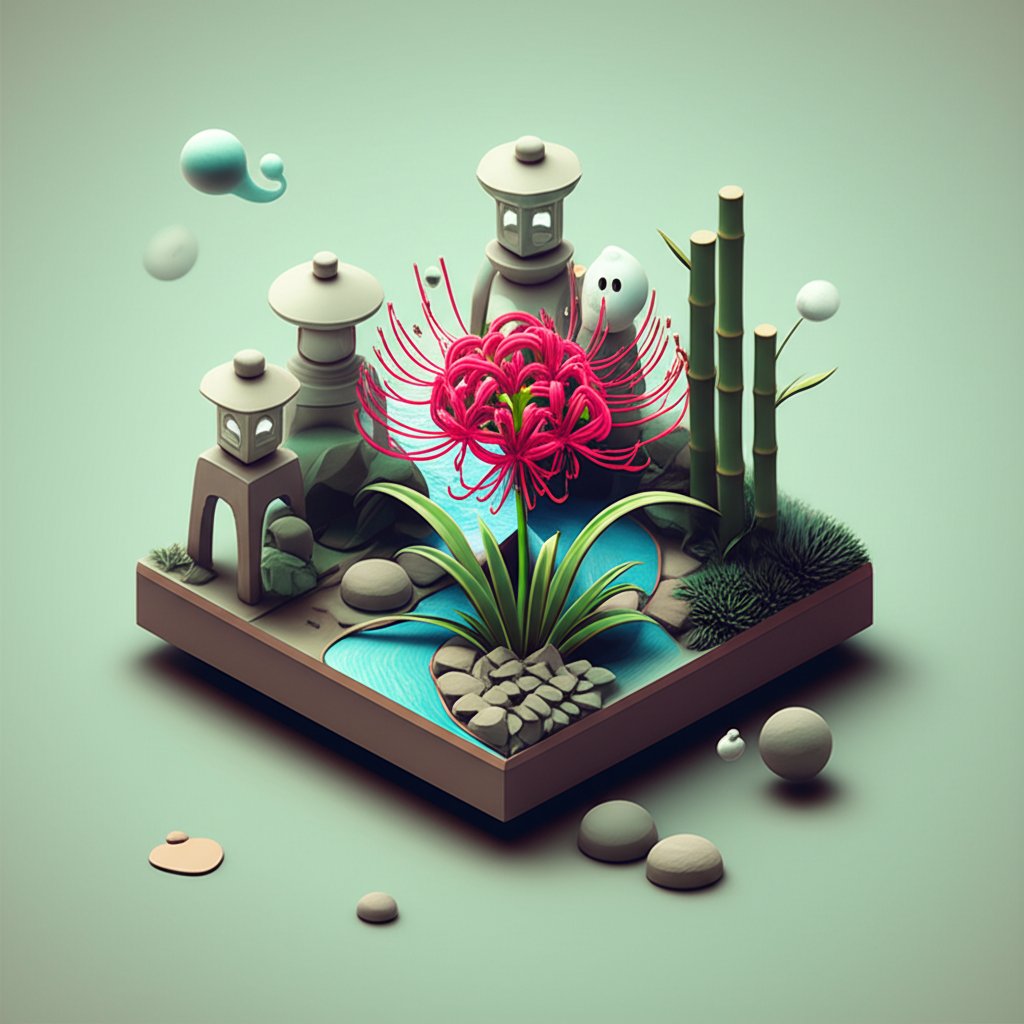
When Western audiences encounter Japanese names that mean death, they often perceive them through a lens of grimness and finality. But in Japanese culture, these names unlock a much deeper, more nuanced world of meaning tied to the natural cycles of life, transient beauty, and quiet strength. Far from being simple labels of doom, they are poetic statements about existence, which is why they feature so prominently in Japan’s rich history of literature, manga, and anime.
Understanding these names is less about morbidity and more about appreciating a philosophy that sees death not as an end, but as an integral, even beautiful, part of life.
At a Glance: What You’ll Discover
- The crucial difference between names with direct versus symbolic meanings of death.
- Why these powerful names are almost exclusively for fictional characters, not real children.
- How combinations of kanji (Japanese logographic characters) create specific, layered meanings.
- A curated glossary of names for creative projects, from deities and demons to poetic concepts.
- The cultural philosophy of mono no aware (the pathos of things) that gives these names their profound weight.
The Philosophy of Impermanence in Japanese Naming
In Japan, the concept of death is deeply interwoven with the appreciation of life’s fleeting nature. This idea, known as mono no aware (物の哀れ), refers to the gentle sadness or pathos of realizing that all beautiful things are temporary. It’s the feeling you get watching cherry blossoms fall or seeing the leaves change in autumn. Death is simply the ultimate expression of this impermanence.
This is why names associated with endings are not inherently negative. They can represent:
- The Beauty of a Cycle: Names like Sakura (桜, cherry blossom) or Aki (秋, autumn) evoke the beautiful, transient phases of life that must end to begin again.
- Quiet Strength: A name like Amaya (雨夜, rainy night) suggests the solemn, peaceful introspection that can accompany an ending.
- Profound Mystery: Names invoking darkness, such as Yami (闇, darkness), often point toward the great unknown rather than pure evil.
This philosophical approach is a stark contrast to many Western views. While many societies have names tied to mortality, the Japanese perspective is uniquely poetic. For a broader look at the Cultural meanings of death names across different cultures, you’ll find this theme of beautiful impermanence is a distinctly Japanese contribution.
How Kanji Forges Meaning: A Look Under the Hood
To truly grasp Japanese names that mean death, you have to understand kanji. A name’s meaning isn’t just in its sound but in the characters used to write it. The character 死 (shi), meaning “death,” is the most direct building block.
The sound “shi” itself is considered unlucky because it is a homophone for death, which is why the number four (四, also “shi”) is often avoided in Japan. However, in creative works, this very directness is a powerful tool. By combining 死 with other kanji, a creator can craft a character’s entire backstory and persona into their name.
Here’s how different combinations create radically different nuances:
| Kanji Combination | Common Reading | Literal Translation | Fictional Archetype or Nuance |
|---|---|---|---|
| 死神 | Shinigami | Death God | A personification of mortality; a powerful, often neutral, entity. |
| 死花 | Shihana | Death Flower | Represents a beauty that is born from an ending or is inherently fatal. |
| 死子 | Shikako | Death Child | A child linked to death, perhaps one who has cheated it or is destined for it. |
| 武死 | Takeshi | Warrior Death | A warrior who brings death or has accepted their own mortality in battle. |
| This modular nature of kanji allows for nearly endless creativity, but it’s crucial to remember: these combinations are linguistic art, not common monikers you’d hear on the street. |
A Curated Glossary for Storytellers and Enthusiasts
These names are a goldmine for writers, artists, and anyone building a fictional world. They provide instant depth and cultural resonance. Note: This list is for creative and academic purposes; these names are generally not suitable for a real person.
Divine and Demonic: Names of Death Entities
These names refer to specific mythological figures or supernatural beings associated with death and the underworld.
- Shinigami (死神): The most famous “death god” or Grim Reaper figure in Japanese folklore. They are not gods to be worshipped but rather personifications of mortality itself.
- Yurei (幽霊): A ghost or spirit of a deceased person, often bound to the physical world by strong emotions or unfinished business.
- Akuma (悪魔): A devil or demon. While not exclusively about death, Akuma are agents of suffering and often dwell in hellish realms.
- Oni (鬼): Ogre-like demons or trolls, known for their fearsome power and often depicted as guardians of the underworld or harbingers of disaster.
- Enma (閻魔): The king of the underworld and judge of the dead, who decides a soul’s fate in the afterlife.
The Poetic and Symbolic: Evoking Life’s Fleeting Nature
These names carry the theme of death through beautiful, natural imagery.
- Sakura (桜): Cherry blossom. The quintessential symbol of mono no aware. The blossoms are stunningly beautiful but last only for a week or two, representing the brilliant but short nature of life.
- Hana (花): Flower. Like Sakura, it represents beauty, fragility, and the inevitable process of wilting.
- Aki (秋): Autumn. The season of fading life, representing a graceful decline and the melancholy beauty of things coming to an end.
- Maboroshi (幻): Illusion. This name suggests that life itself is as ephemeral and insubstantial as a dream or phantom.
- Mujo (無常): Impermanence. A direct nod to the Buddhist concept that all things are in a constant state of flux and will eventually pass away.
The Dark and Mysterious: Names of Shadow and Obscurity
These names use darkness and shadow to evoke the mystery and unknowability of death.
- Yami (闇): Darkness. Refers to a profound, all-encompassing darkness, often symbolizing the great unknown of the afterlife.
- Kurai (暗い): Dark or gloomy. A more descriptive term that sets a somber, melancholic tone.
- Kage (影): Shadow. Represents the hidden, unseen, or the lingering presence of something that has passed.
- Kuro (黒): Black. The color associated with mourning, mystery, and the void.
- Kurami (暗美): Dark Beauty. A constructed name that perfectly captures the aesthetic of finding beauty in things that are dark, sad, or macabre.
For Fictional Characters: A Deeper Dive
When crafting characters, combining kanji offers a way to embed their destiny or nature directly into their name.
Male Character Names:
- Takeshi (武死): “Warrior Death.” A name for a character defined by their role as a soldier or executioner.
- Shinjiro (死二郎): “Second Son of Death.” Suggests a lineage or family bound to a dark fate.
- Kuro (黒): “Black.” Simple, elegant, and immediately conveys a mysterious or brooding personality.
- Yuta (幽太): “Quiet Spirit.” A name for a calm, spectral character, perhaps one who communes with the dead.
- Shihei (死兵): “Death Soldier.” More direct than Takeshi, implying a soldier who is already considered dead or is part of a fated, sacrificial unit.
Female Character Names: - Shiho (死帆): “Sail of Death.” A poetic name for a character who guides souls or navigates the boundary between life and death.
- Shikako (死子): “Child of Death.” A classic archetype for a character with a tragic past or a supernatural connection to the afterlife.
- Amaya (雨夜): “Rainy Night.” Evokes a sense of beautiful sadness and quiet contemplation, perfect for a character with a somber, pensive nature.
- Yuriko (百合死子): “Lily Death Child.” A highly symbolic name combining the purity of the lily with the finality of death, suggesting a tragic, innocent figure.
- Yami no Akuma (闇の悪魔): “Demon of Darkness.” A title-like name for a powerful, villainous character.
Quick Answers to Common Questions
Q: Are there any common Japanese names that actually mean death?
No. In everyday life, names with direct, negative connotations like death are actively avoided. The names discussed here are almost exclusively found in mythology, poetry, and modern fiction (anime, manga, video games) where their symbolic power can be used for storytelling.
Q: Why is the number four (shi) considered unlucky in Japan?
Because its primary pronunciation, “shi,” is identical to the pronunciation of the word for death (死). This linguistic coincidence, known as a homophone, has led to a widespread cultural superstition called “tetraphobia.” You’ll often see buildings in Japan skip the fourth floor.
Q: Can I use a popular name like Sakura without it meaning death?
Absolutely. Sakura is a very common and beloved female name in Japan. Its primary association is with the beautiful cherry blossom flower. The connection to impermanence is a deeper, poetic layer of meaning, not its everyday definition. A parent naming their child Sakura is celebrating beauty and nature, not mortality.
Q: What’s the difference between a Shinigami and a Yurei?
A Shinigami (死神) is a “death god” or a powerful spirit that governs the process of dying, similar to a Grim Reaper. They are a fundamental force. A Yurei (幽霊) is the soul of a specific human who has died and remains on earth, often as a ghost. One is an entity of death; the other is a product of it.
Finding Meaning in the End
Exploring Japanese names that mean death reveals a profound cultural perspective: endings are not just about loss, but about transition, memory, and a deep appreciation for the fleeting moments of beauty that define life. For creators and enthusiasts, these names are not just dark or edgy choices; they are invitations to tell richer, more meaningful stories.
When you choose one of these names for a character, you are tapping into a centuries-old conversation about life, loss, and the elegant, melancholic beauty of it all. Think less about the finality and more about the powerful narrative that an ending makes possible.
- The Definition of Liam Reveals Its Irish Roots and Strong Meaning - October 5, 2026
- Where Did the Irish Name Liam Come From? - October 4, 2026
- How Rare Is The Name Liam Anymore? Its Journey To Peak Popularity - October 3, 2026