Here is the detailed cluster article, crafted according to your specifications.
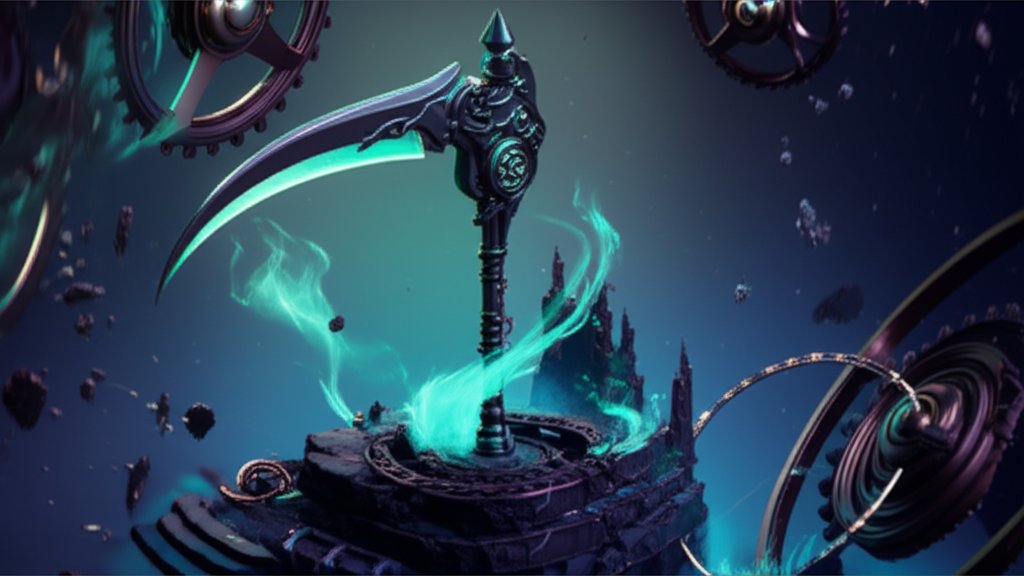
The image of a cloaked figure with a scythe is a powerful modern symbol, but the idea behind it is as old as humanity itself. The concept of a guide, a collector, or a personification of death exists in nearly every culture, giving us a rich tapestry of names that mean reaper. These aren’t just names that mean “death”; they signify an active force—a being or entity responsible for the profound transition from life to what comes next.
Choosing a name with this weight means tapping into ancient stories of gods, angels, and spirits who hold one of the universe’s most vital roles. Understanding their origins is key to wielding their power correctly, whether for a fictional character, a brand, or a deeply personal project.
At a Glance: What You’ll Find Inside
- The Reaper Archetype: Learn the crucial difference between a name meaning “death” and one signifying a “reaper” or soul guide.
- Mythological Deep Dive: Explore the names of gods, goddesses, and spirits from Greek, Norse, Egyptian, and other cultures who personify death’s finality.
- A Practical Framework: Get a step-by-step guide to choosing the right reaper-themed name based on intent, nuance, and cultural context.
- Curated Name Lists: Discover powerful masculine, feminine, and conceptual names that embody the reaper archetype.
- Clear Answers: Get straightforward responses to common questions about the morality and modern use of these ancient names.
Beyond the Scythe: What “Reaper” Really Signifies
While many names touch on themes of darkness or sorrow, a true reaper name embodies agency and purpose. It belongs to a figure with a job to do: severing the final tie, guiding the soul, or presiding over the underworld. This distinction is crucial. A name like Mara (“bitter”) conveys the grief death leaves behind, while a name like Anubis represents the entity that oversees the journey itself.
These figures, often called psychopomps (from the Greek for “guide of souls”), aren’t necessarily evil. They are fundamental parts of their respective cosmologies, ensuring order and passage. They can be judges, ferrymen, kings, or even gentle escorts. Understanding this full spectrum is vital before selecting a name. For a broader look at how different cultures perceive mortality through naming, you can Explore death names’ cultural meanings. Here, we focus specifically on the powerful agents of that final transition.
The Pantheon of Reapers: Mythological Names That Guide the Dead

The reaper archetype is a global phenomenon. Each culture’s personification of death reveals something unique about its worldview, offering a diverse palette of names with deep historical roots.
Greco-Roman Harbingers of Finality
Ancient Greece and Rome gave us some of the most enduring figures of death, each with a distinct role in the process.
- Thanatos: The literal Greek personification of non-violent death. Unlike the fearsome modern reaper, Thanatos was often depicted as a winged, beautiful youth, representing a peaceful end. His name suggests finality without malice.
- Mors: The Roman equivalent of Thanatos, Mors is the direct Latin word for “death.” The name is stark, powerful, and unambiguous, embodying the Roman fascination with stoicism and the unyielding nature of fate.
- Charon (or Kharon): The ferryman of the underworld. Charon doesn’t cause death but facilitates the soul’s journey across the River Styx or Acheron. His name is perfect for a character or concept that acts as a gatekeeper or guide between two worlds.
- Hades: Not a reaper but the king of the underworld. Hades’ name carries the weight of dominion over the dead. It’s less about the act of dying and more about the final destination and the power that governs it.
- Atropos: One of the three Moirai, or Fates. While her sisters spun and measured the thread of life, Atropos was the one who cut it. Her name, meaning “inflexible” or “inevitable,” is the ultimate feminine name signifying the reaper’s decisive action.
Norse and Celtic Keepers of Souls
The mythologies of Northern Europe feature grim, atmospheric figures who oversee death, often tied to the harsh realities of their climate and warrior cultures.
- Hel: The Norse goddess of the underworld, also named Hel. She presides over the souls of those who didn’t die a glorious death in battle. Her name is direct and primal, associated with a cold, subterranean realm.
- The Morrigan: An Irish goddess of war, fate, and death. Often appearing as a crow over a battlefield, she represents the reaper’s connection to violent ends and destiny. Her name is complex, suggesting not just death but sovereignty and the foretelling of doom.
- Ankou: A legendary figure from Breton and Cornish folklore, the Ankou is a true collector of souls. Depicted as a skeleton with a cart, he gathers the spirits of the recently deceased. This name has a gritty, folkloric feel, grounded in local legend rather than high mythology.
- Donn: An ancient Celtic god of the dead, considered the ancestor of the Irish people. He resides on an island off the coast where the souls of the dead gather. His name has an earthy, ancestral authority.
Egyptian and Mesopotamian Guardians of the Afterlife
In the ancient Near East, the figures of death were often seen as essential guides and cosmic judges, central to a highly structured vision of the afterlife.
- Anubis: The iconic jackal-headed Egyptian god of mummification and the afterlife. Anubis was a protector and guide, weighing the hearts of the deceased against a feather to determine their fate. His name carries connotations of justice, protection, and sacred passage.
- Osiris: After being murdered and resurrected, Osiris became the primary Egyptian god of the dead and the underworld. His name evokes themes of rebirth, judgment, and righteous rule over the afterlife.
- Nergal: A Babylonian deity whose domain included war, pestilence, and death. Unlike the neutral guidance of Anubis, Nergal represents the more destructive and feared aspects of mortality.
Angels and Spirits of Abrahamic Lore
In Judaism, Christianity, and Islam, the role of the reaper is often filled by an angelic figure acting as God’s emissary.
- Azrael: The traditional name for the Angel of Death in Islam and some Jewish traditions. Azrael’s role is not to be a monstrous figure but to perform the sacred duty of separating the soul from the body. The name has a solemn, ethereal, and powerful feel.
- Abaddon: A Hebrew name meaning “destroyer” or “doom.” In the New Testament, Abaddon is the angel-prince of the abyss. This name leans heavily into the destructive, apocalyptic aspect of the reaper archetype.
Choosing Your Name: A Practical Framework
Selecting a name that means reaper requires careful thought about its specific connotation. A name for a black cat, a metal band, and a fantasy novel’s antagonist will demand different nuances.
Use this simple decision-making process:
- Define Your Intent: What feeling do you want to evoke?
- Power & Dominion: Look to rulers of the underworld like Hades, Osiris, or Hel.
- Guidance & Transition: Consider psychopomps like Anubis or Charon.
- Inevitability & Fate: Names like Atropos or Mors work perfectly.
- Folklore & Mystery: An obscure choice like Ankou or Donn adds a unique texture.
- Consider the Nuance: Not all reapers are the same. A judge (Osiris) is different from a ferryman (Charon), which is different from an abstract force (Mors). Dig into the story behind the name to ensure it aligns with your purpose.
- Check Modern Associations: Some of these names have been adopted by pop culture, which can either help or hinder your intent. Hades, for example, is widely known from Disney’s Hercules, giving it a sarcastic, villainous overtone. Anubis and Osiris are common in video games like Assassin’s Creed and Destiny.
Comparing Reaper Archetypes at a Glance
| Name | Primary Archetype | Cultural Origin | Modern Vibe |
|---|---|---|---|
| Thanatos | Peaceful Death | Greek | Mythological, Philosophical, Calm |
| Ankou | Soul Collector | Breton (Celtic) | Obscure, Folkloric, Gritty |
| Azrael | Angel of Death | Abrahamic | Angelic, Solemn, Powerful |
| Atropos | Fate-Cutter | Greek | Feminine, Inevitable, Unseen |
| Anubis | Guide & Protector | Egyptian | Just, Ancient, Ritualistic |
| The Morrigan | War & Fate | Irish (Celtic) | Fierce, Wild, Prophetic |
A Curated List of Reaper Names and Meanings
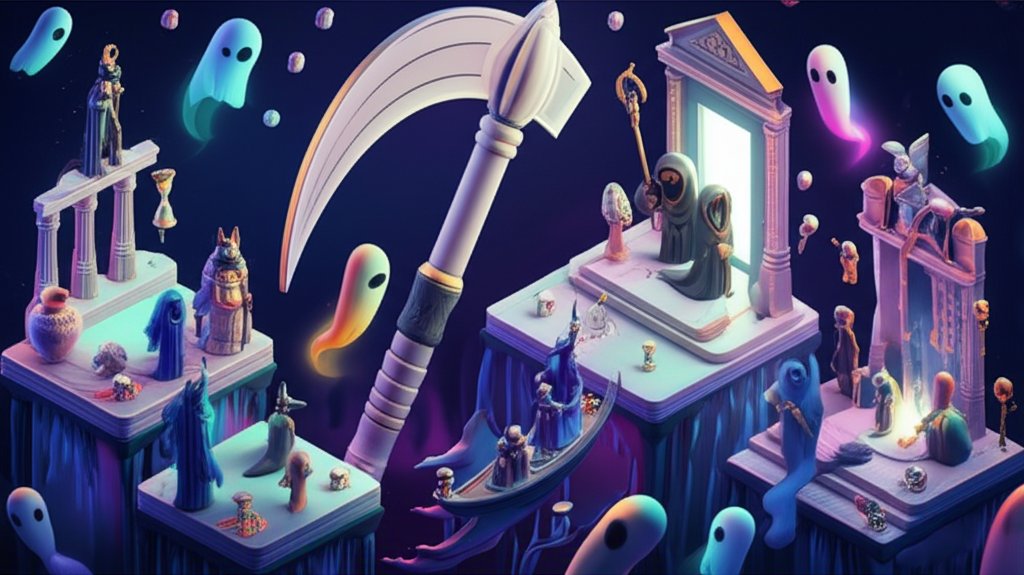
Here is a focused selection of names that directly embody the reaper archetype, categorized for easier navigation.
Masculine Names of Reapers & Underworld Rulers
- Anubis (Egyptian): The jackal-headed guide of the dead.
- Arawn (Welsh): The king of the Otherworld (Annwn) in Welsh mythology.
- Azrael (Abrahamic): The Angel of Death who separates soul from body.
- Charon (Greek): The ferryman of Hades who carries souls across the River Styx.
- Donn (Irish): The Celtic lord of the dead.
- Enma (Buddhist): The king and judge of the underworld.
- Hades (Greek): The god and king of the underworld.
- Kritanta (Hindu): Another name for Yama, the god of death and justice.
- Mictlantecuhtli (Aztec): The primary god of the dead and king of Mictlan.
- Mot (Canaanite): The ancient god of death and the underworld.
- Orcus (Roman): A god of the underworld,Punisher of broken oaths.
- Osiris (Egyptian): The resurrected god who became lord of the afterlife.
- Thanatos (Greek): The personification of a peaceful death.
Feminine Names of Reapers & Underworld Queens
- Atropos (Greek): The Fate who cut the thread of life, symbolizing death’s finality.
- Ereshkigal (Sumerian): The goddess of the underworld in Mesopotamian myth.
- Hel (Norse): The goddess and ruler of the Norse underworld of the same name.
- Izanami (Japanese): A Shinto goddess of creation who became the queen of the underworld (Yomi).
- Kalma (Finnish): The goddess of death and decay, who haunts graveyards.
- Libitina (Roman): A goddess of funerals and burial.
- Marzana (Slavic): The goddess of winter, death, and rebirth.
- The Morrigan (Irish): A goddess of battle, fate, and death, often appearing as a crow.
Quick Answers: Common Questions About Reaper Names
Are all names that mean reaper evil or negative?
Absolutely not. This is a common misconception shaped by modern horror. Figures like Anubis, Charon, and even Thanatos were seen as essential, neutral forces maintaining cosmic balance. They represent transition and order, not malice. Choosing their names often implies respect for natural cycles rather than a celebration of destruction.
Can I use these names for a child?
This is a deeply personal choice, but it requires extreme care. These names carry immense historical and mythological weight. While powerful and unique, they can be a heavy burden for a person to carry in everyday life. They are often more suitable for fictional characters, pets (especially black cats or large dogs), artistic projects, or brand names where their powerful symbolism can be fully appreciated.
What’s the difference between a “reaper” name and one meaning “destroyer”?
The distinction is in their focus. A reaper name is specifically tied to the process of death and the soul’s transition. A “destroyer” name, like Abaddon (Hebrew) or Apollo (in his “destroyer” aspect), has a broader scope. It can imply the annihilation of cities, armies, or concepts, which includes but is not limited to the death of individuals. A reaper has a specific, cosmic job; a destroyer brings ruin on a wider scale.
Making a Final, Powerful Choice
A name that means reaper does more than sound dark or mysterious—it tells a story. It invokes an ancient archetype responsible for one of life’s greatest certainties. Whether you are naming a character who guides others through darkness or a project that represents a definitive end, the perfect name awaits in the annals of mythology.
When you select a name like Thanatos, Ankou, or Hel, you’re not just choosing a word. You are summoning a legacy. Decide which story you want to tell—that of the serene guide, the relentless collector, the just king, or the inevitable hand of fate—and choose the name that tells it best.

- Pun Names Deliver Clever Wordplay That Sparks Instant Laughter - October 24, 2026
- Waspy Boy Names For Your Little Ivy League Gentleman - October 23, 2026
- Waspy Names Reveal Old Money, Ivy League Connections - October 22, 2026