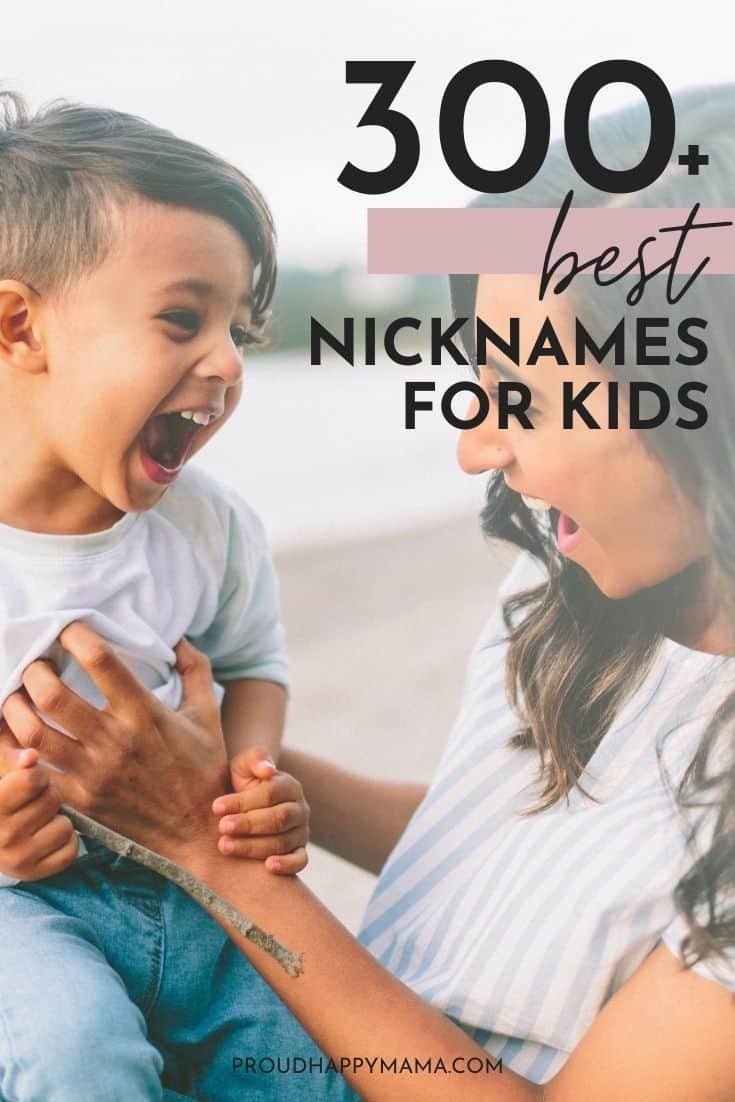
The whisper of a special name, a tender abbreviation, or a playful moniker—this is the enduring power of nicknames for kids. Far from being mere linguistic shortcuts, these cherished tags are deeply woven into the fabric of identity and connection, offering a unique charm that a formal name sometimes can’t capture. They become shorthand for love, a secret language within families, and a way to highlight a child’s budding personality in a truly unique way.
At a Glance: Choosing and Using Nicknames For Kids
- Understanding Their Power: Nicknames forge deeper bonds and reflect individuality, adding warmth and personality.
- Explore Diverse Types: From classic shortenings to trendy options, personality-based tags, and cultural gems, there’s a style for every child.
- Crafting with Care: Learn practical tips for creating a nickname that’s memorable, appropriate, and truly resonates.
- Beyond the Home: Discover how teachers and content creators leverage nicknames effectively to foster connection or character depth.
- Mind the Pitfalls: Be aware of potential downsides like misuse or identity overshadowing to ensure a positive experience.
- Actionable Playbook: Get step-by-step guidance to confidently select or craft the ideal nickname for the child in your life.
Why Nicknames Resonate: More Than Just a Name
Nicknames for kids serve a profound purpose beyond simple identification. They are born from affection, practicality, humor, and even cultural significance, acting as powerful tools for connection. A well-chosen nickname can instantly add personality and warmth, creating a unique bond between a child and their family, friends, or even their teachers.
For parents, a nickname often emerges organically from an outpouring of love or a sweet habit. For teachers, it can foster stronger relationships, making students feel more seen and relatable. And for content creators, a memorable nickname adds depth and distinctiveness to fictional characters, making them instantly more engaging. The best nicknames reflect a child’s true spirit, are easy to remember, and feel perfectly in place within their world.
The Rich Tapestry of Nickname Styles
The world of nicknames is incredibly diverse, offering a spectrum of options to suit every child’s unique character and every parent’s preference. Exploring these categories can help you pinpoint the perfect fit, whether you’re looking for something traditional or wonderfully out-of-the-box. Remember, the goal is a nickname that feels right, that sparks joy, and that the child will grow to love.
- Shortened & Classic: These are the timeless go-tos, effortlessly derived from full names or traditional choices. They offer familiarity and a sense of legacy.
- Examples: Alex, Xander (Alexander); Will, Billy, Liam (William); Tommy, Johnny, Charlie; Jack, Sam, Ben.
- Indian Examples: Yaanu, Aayu (Ayaan); Kabi, Kabu (Kabir).
- Sweet & Endearing: Perfect for younger boys, these affectionate terms are designed to express tenderness and warmth. They often evoke a sense of cuteness and comfort.
- Examples: Ollie (Oliver); Benji, Benny (Benjamin); Teddy Bear, Love Bug, Muffin, Pumpkin, Snuggles; Snugglebug, Honeybear, Peanut, Babycakes, Tater Tot.
- Indian Examples: Mishti (sweet), Dolu (soft/chubby).
- Trendy & Modern: Influenced by current linguistic styles and pop culture, these nicknames feel fresh and contemporary. They often have a cool, sleek sound.
- Examples: Jax, Knox, Zane, Axl, Finn, Kai, Milo, Theo, Crew, Ryder, Jett; Rey, Kiaan, Viv, Rio, Zayn, Neo, Avi, Ish.
- Playful & Fun: For lively, spirited personalities, these lighthearted options add a spark of joy and often capture a mischievous streak.
- Examples: Chip, Kip (Christopher); Jonny, J-Man (Jonathan); Sparky, Scooter, Champ, Buddy, Ziggy, Boomer, Ace, Tiger; Coco, Bobo, Jojo, Mimu.
- Cool & Edgy: These nicknames are for boys who exude confidence, boldness, or an air of mystery. They often have a strong, impactful sound.
- Examples: Seb, Bash (Sebastian); Tony, Ant (Anthony); Blaze, Ryder, Hawk, Jet, Steel, Drake, Phoenix, Wolf, Rebel, Storm; Maverick, Hunter, Blade, Fox, Wilder, Titan, Diesel, Steele.
- Unique & Uncommon: If standing out is the goal, these options break from the ordinary, offering distinctiveness and character. They often pique curiosity.
- Examples: Quill, Zephyr, Orion, Arlo, Caspian, Atlas, Echo, Rune, Valor, Zenith; Rocket, Legend, Tyko, Everest, Drift, Quest, Ranger; Snoopy, Mojo, Zenzo.
- Pop Culture-Inspired: Drawing from beloved movies, books, superheroes, or celebrities, these nicknames connect to shared stories and passions.
- Examples: Spidey, Stark, Thor (Marvel/DC); Skywalker, Yoda (Star Wars); Harry (Potter), Frodo, Sherlock; Maverick (Top Gun), Neo (The Matrix); Drake, Bieber.
- Animal-Inspired: Evoking qualities like strength, agility, or pure cuteness, these nicknames link a child to the animal kingdom.
- Examples: Cub, Tiger, Wolf, Bear, Hawk, Lion, Bunny, Panda, Turtle.
- Personality-Based: These nicknames are often the most personal, reflecting a child’s specific character traits, habits, or hobbies.
- Examples: Sparky, Smiley, Hero, Champ, Brave, Boss, Brainy, Speedy, Sunshine; Ace (sporty), Doc (book-lover).
- Indian Examples: Lallu (silly/loveable), Natkhat (mischievous), Raja (royal).
- Physical Traits/Looks & Colors: Derived from distinctive features or complexion, these nicknames offer a direct, often endearing, descriptor.
- Examples: Red, Rusty (red hair); Stretch (tall); Neelu (blue-eyed/calm); Bhura (skin tone), Sona (gold).
- Cultural/Regional/International: These nicknames draw from diverse traditions, offering a connection to heritage or global flair.
- Examples: Paco, Nacho (Spanish); Enzo, Rocco (Italian); Jules, Gigi (French); Fritz, Hans (German); Kenji, Hiro (Japanese); Chiku, Golu, Munna (Indian).
- Nature-Inspired: Reminding us of the natural world’s beauty and power, these nicknames carry an earthy or ethereal quality.
- Examples: Ocean, Forest, Sky, Cedar, River, Flint, Stone, Ash, Blaze, Canyon.
- Inside Jokes: Often the most unique and heartfelt, these nicknames are born from personal anecdotes, shared experiences, or funny stories within a family or friendship group.
- Examples: “Spills” (for a child who once famously spilled a drink), “Mac” (for a mac and cheese lover).
If you’re specifically searching for a nickname that will perfectly complement a boy’s personality or formal name, sometimes a broad overview isn’t quite enough. For more tailored suggestions and an expansive collection, you can Find the perfect boy nickname with a dedicated resource.
Crafting the Perfect Nickname: A Step-by-Step Approach
Creating a nickname isn’t just about picking a label; it’s about finding a word or phrase that truly resonates and becomes a cherished part of a child’s identity. This process can be both intuitive and strategic, leading to a moniker that stands the test of time.
- Observe Their Personality or Interests: This is often the most fertile ground for inspiration. What makes the child unique? Do they have a quirky habit, a deep passion, or a standout trait?
- Scenario: A boy obsessed with dinosaurs might naturally become “Rex.” One who loves to build could be “Builder Ben.” This makes the nickname feel authentic to them.
- Prioritize Simplicity: Easy pronunciation and memorability are key. One or two-syllable names often flow best and are readily adopted by others.
- Example: Transforming “Theodore” into “Theo” or “Teddy” is simple and effective. “Jonathan” easily becomes “Jonny.”
- Get Creative with Rhymes or Sounds: Play with phonetics and linguistic patterns. Sometimes, a slight alteration or a rhyming word can create a delightful nickname.
- Example: Leo might become “Deo” in a playful family, or Daniel could be “Danny Boy.” Experiment with how the name feels on the tongue.
- Ensure It’s Appropriate and Affirming: This is crucial. The nickname should be something the child can use proudly throughout their life, avoiding any terms that could be offensive, embarrassing, or misinterpreted.
- Consider: Will this nickname still be charming when they’re a teenager, or even an adult? If there’s any doubt, it’s best to rethink.
- Seek Inspiration from Pop Culture: Movies, TV shows, books, and even video games can be great sources of modern, relatable nicknames. Just be mindful of fleeting trends.
- Example: A child who loves the Harry Potter series might enjoy being called “Harry” or “Potter.” A fan of the Avengers could be “Stark.”
- Involve the Child (When Age-Appropriate): As children grow, their input becomes invaluable. Giving them a say in their nickname empowers them and ensures they’ll embrace it.
- Tip: Offer a few options you’ve curated and see which one they gravitate towards. Their enthusiasm is a strong indicator.
Beyond Affection: Strategic Uses for Nicknames
While affection is a primary driver, nicknames also offer strategic benefits in various contexts, proving their versatility and impact.
Fostering Connection in the Classroom
For teachers, knowing and using a child’s preferred nickname can dramatically enhance the learning environment. It builds rapport, making students feel more seen, heard, and understood. This personalization fosters stronger relationships and encourages engagement, transforming a formal classroom into a more welcoming space. However, it’s vital for educators to ensure nicknames are always affirming and respectful, never using them in a way that could mock or diminish a student.
Adding Depth to Fictional Characters
Content creators frequently use nicknames to imbue characters with greater depth and relatability. A well-chosen nickname can instantly convey personality, backstory, or even a character’s role in a narrative. Think of “The Boy Who Lived” for Harry Potter, instantly signaling his survival and destiny, or “God of Thunder” for Thor, reflecting his immense power. Nicknames in fiction make characters memorable, revealing underlying traits without lengthy exposition.
Navigating the Nuances: Downsides and Best Practices
While beneficial, nicknames aren’t without their potential pitfalls. Awareness and thoughtful application are key to harnessing their power positively.
Potential Downsides to Consider
- Misuse: Nicknames can, unfortunately, be weaponized, used in an unkind, mocking, or bullying tone. This underscores the importance of choosing appropriate, positive names.
- Loss of Identity: Overusing a nickname, especially if it’s very different from their given name, might overshadow a person’s real identity or cause confusion, particularly in formal settings.
- Overfamiliarity: Some people may feel uncomfortable or disrespected if a nickname is used in professional or formal settings where their full name is expected. Always gauge the context and individual preference.
Best Practices for Lasting Appeal
- Seek Consent: Especially as children grow, ensure they like their nickname. What was cute at two might be embarrassing at twelve.
- Consistency: If a nickname is adopted, try to use it consistently to solidify its place. However, be flexible if the child expresses a preference for their formal name later.
- Context Matters: Be mindful of when and where a nickname is used. Family gatherings are different from school presentations.
- Keep it Positive: The underlying sentiment of any nickname should always be positive and uplifting.
Your Nickname Playbook: From Idea to Identity
Ready to find or create that perfect nickname for the child in your life? Here’s a quick guide to help you move from inspiration to a cherished moniker.
- Initial Brainstorm:
- List the child’s full name and any obvious shortenings (e.g., Benjamin → Ben, Benji).
- Jot down their key personality traits (e.g., “bubbly,” “curious,” “energetic”).
- Note their biggest interests (e.g., “trucks,” “animals,” “reading”).
- Think about any inside jokes or cute moments unique to them.
- Categorize & Explore:
- Look at your brainstormed list and see which nickname styles (from “Shortened & Classic” to “Unique & Uncommon”) align.
- Self-check: Does “Muffin” feel right for their sweet nature? Could “Dash” fit their speed?
- Test Drive Options:
- Say the potential nicknames aloud. How do they sound? Do they roll off the tongue easily?
- Consider how others might react. Is it likely to be well-received by friends and family?
- Mini-Case: Calling a child “Buddy” for a week. Does it stick? Do they respond well?
- Confirm Appropriateness:
- Ask yourself: Will this nickname grow with them? Is there any potential for teasing or misinterpretation?
- If the child is old enough, ask for their opinion directly. “How do you feel about being called ‘Leo’ instead of ‘Leonard’?”
- Embrace Evolution:
- Nicknames can change as a child grows or develops new interests. Be open to their evolution. A “Pumpkin” might become a “Champ” later on.
- The best nicknames often emerge organically over time, rooted in affection and shared experience.
Quick Answers to Your Nickname Questions
Q: Is it okay to give my child a nickname that’s completely unrelated to their given name?
A: Absolutely! Many beloved nicknames, like “Muffin” or “Tiger,” have no direct link to a formal name. They often stem from affection, personality traits, or inside jokes. The key is that it feels special and positive.
Q: What if my child doesn’t like the nickname I’ve chosen for them?
A: Respect their wishes. If they express discomfort, it’s important to stop using that nickname and try a different approach, or simply stick to their formal name. Their comfort and ownership of their name are paramount.
Q: Can a nickname actually help a child’s development?
A: Yes, in several ways. A positive nickname can foster a stronger sense of identity, boost self-esteem, and strengthen emotional bonds with caregivers. It can also make a child feel more unique and cherished within their social circle.
Q: Are there any cultural considerations when choosing nicknames for kids?
A: Definitely. Some cultures have specific traditions for nicknames, or certain sounds/words may carry different meanings. If you’re drawing from a culture other than your own, research its significance to ensure it’s respectful and appropriate.
Q: How do I handle a nickname that was started by someone else that I don’t like?
A: Gently but firmly address it. You can say, “We prefer to call him [preferred name/nickname]” or “He actually goes by [preferred name].” Most people will understand and adjust.
The Lasting Echo of a Chosen Name
The decision of a nickname for kids isn’t merely about convenience; it’s about crafting a small, intimate piece of a child’s identity. These special names, whether born from tradition, affection, or a whimsical moment, become enduring symbols of connection and love. They are the charming echoes that follow a child through life, reminding them of who they are and who they are loved by. By choosing thoughtfully and with an open heart, you’re not just giving a name; you’re giving a gift that will resonate for years to come.

- Pun Names Deliver Clever Wordplay That Sparks Instant Laughter - October 24, 2026
- Waspy Boy Names For Your Little Ivy League Gentleman - October 23, 2026
- Waspy Names Reveal Old Money, Ivy League Connections - October 22, 2026