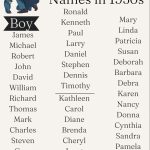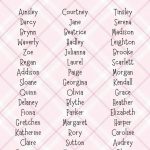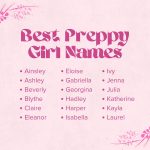
The right name doesn’t just sound good; it tells a story, subtly signaling heritage, aspiration, and an understated confidence. If you envision your son as the kind of man who navigates life with an effortless charm, whether on an Ivy League campus or in a boardroom, then diving into the world of waspy boy names is precisely where you need to be. These aren’t just names; they’re legacies, chosen to imbue a little gentleman with a sense of distinguished belonging from day one.
At a Glance: Crafting a Waspy Name Legacy
- Distinguish Waspy from General Preppy: Understand the unique cultural and historical depth inherent in waspy names.
- Identify Key Characteristics: Learn the common patterns, origins, and structures that define this naming style.
- Curate from a Deep Pool: Explore specific names that consistently resonate with the WASP aesthetic, leveraging surnames, classic choices, and geographic identifiers.
- Master the Art of Combination: Discover how to pair first and middle names for optimal flow and impact.
- Apply Practical Selection Tips: Use proven methods to ensure the chosen name feels authentic and grows with your child.
- Avoid Common Pitfalls: Understand how to choose a name that projects sophistication without sounding pretentious.
Beyond Preppy: Defining the Waspy Aesthetic in Names
While “preppy” often evokes images of polished style and collegiate aspirations, “waspy” delves a layer deeper. The term “WASP” (White Anglo-Saxon Protestant) traditionally refers to a specific cultural and socioeconomic stratum, predominantly in the Northeastern United States, characterized by inherited wealth, exclusive social circles, and a strong emphasis on tradition, education, and understated elegance. When applied to names, this translates into a distinctive set of choices that whisper “old money,” established lineage, and a certain patrician grace.
These names aren’t about trendiness; they’re about timelessness. They often carry echoes of English gentry, early American settlers, or prominent family surnames. Think less about flashy luxury and more about enduring quality—a perfectly tailored blazer, a well-worn leather-bound book, or a quiet, confident presence that commands respect without demanding it. It’s a naming convention that aims to project intelligence, reliability, and an innate sense of propriety, setting a tone for a child perceived as educated, well-liked, and assertive from birth.
The Hallmarks of a Truly Waspy Name
Identifying a “waspy” name isn’t just about looking at a list; it’s about understanding the underlying patterns and cultural resonance. These names share several common traits that contribute to their distinctive feel.
Surnames as First Names: A Mark of Lineage
One of the most defining characteristics of waspy nomenclature is the use of family surnames as given names. This practice dates back centuries, signifying a continuation of lineage and an honoring of ancestral ties. Choosing a surname as a first name instantly imbues a child with a sense of established history and understated formality. It often suggests a connection to historical figures, influential families, or simply a deep-rooted heritage.
Consider names like Harrison, meaning “son of Harry,” or Spencer, originally denoting a “steward or administrator.” These aren’t just labels; they’re historical markers. Other strong examples include Brooks, Walker, Sterling, and Hayes—each carrying the gravitas of a family name while offering a sophisticated first name option.
Classic & Enduring Given Names: Pedigree Over Popularity
Beyond surnames, waspy names frequently draw from a pool of classic, traditionally English, Scottish, or Irish given names that have stood the test of time. These are names that might have been popular centuries ago and continue to be chosen for their strong, unpretentious elegance. They evoke a sense of tradition and reliability, rather than fleeting trends.
Think of names like William, a timeless choice meaning “desire protection,” or Henry, a perennial favorite signifying “ruler.” James, Frederick, Richard, and Andrew fall into this category—names that are universally recognized but carry an inherent weight of history and respectability. They are solid, dependable choices that won’t go out of style.
Geographic & Occupational Ties: Rooted in Place and Purpose
Many waspy names have origins tied to specific places (towns, landscapes) or historical occupations. This connection to a physical location or a respected profession further grounds the name in a sense of history and belonging. These names often feel sturdy and evocative of a landed gentry or a diligent craftsman.
For instance, Ashton means “ash tree town,” connecting the bearer to a specific place. Carter (from Old English) originally meant “cart driver,” a solid, foundational occupation. Other examples include Clayton (“place with good clay”), Preston (“priest’s town”), or Thatcher (“roof thatcher”). These names bring a sense of tangible history and a connection to a specific kind of industrious heritage.
The Power of Two-Syllable Rhythms
While not a strict rule, many names favored in WASP circles tend to be two syllables, or easily shortened to a two-syllable nickname, often with a soft or strong consonant sound. This contributes to their streamlined, authoritative, yet approachable feel. Think Everett, Holden, Prescott, or Graham. The rhythm is often balanced, making them pleasant to say and easy to remember, fitting well into various middle and last name combinations.
A Curated List: Waspy Boy Names That Hit the Mark
Drawing from a rich tradition, these names offer an Ivy League feel and a sense of timeless charm. Here’s a selection curated for their distinct waspy resonance, categorized for easier exploration. For a broader exploration of names that offer timeless charm and effortless collegiate cool, you can Discover timeless preppy names in our comprehensive guide.
Surnames-Turned-First-Names (The Quintessential Waspy Choice)
These names carry the weight of generations, often signaling old wealth and established families.
- Ashton (Old English: ‘ash tree town’) – Evokes gentle strength and natural elegance.
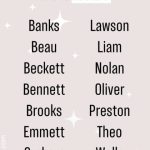
- Banks (Middle English: ‘one who lives on the hillside or riverbank’) – Short, crisp, and distinctly upscale.
- Barclay (English: ‘birch tree meadow’) – A refined, slightly old-world charm.
- Beckham (English: ‘homestead by the stream’) – Modernly popular but with a classic, pastoral root.
- Bennett (English: ‘blessed’) – Universally loved, with a gentle, positive meaning.
- Benson (English: ‘son of Ben’) – A solid, dependable choice.
- Blaine (Gaelic/Scottish: ‘slender; angular’) – A sharp, sophisticated sound.
- Brooks (English/Gaelic/Scottish: ‘dweller of the brook’) – Flowing yet strong, a natural leader.
- Byron (English: ‘at the byres or barn’) – Poetic and distinguished, with literary ties.
- Campbell (Gaelic: ‘crooked mouth’) – A classic Scottish surname, now a charming first name.
- Chandler (England: ‘candle maker and seller’) – Professional and approachable.
- Clark (England: ‘secretary’) – Intelligent and succinct.
- Clayton (English: ‘place with good clay’) – Grounded and reliable.
- Clinton (English: ‘hilltop town’) – A name with a presidential ring.
- Cooper (English: ‘container’) – Friendly, yet with a professional history.
- Davis (British: ‘son of David’) – Strong biblical roots combined with surname elegance.
- Emerson (Anglo-Saxon: ‘son of Emery’) – A literary favorite, intellectual and warm.
- Everett (Old English: ‘brave, strong boar’) – Stately and powerful.
- Faulkner (Old French: ‘falconer’) – Highly distinctive, literary, and evocative.
- Fisher (Old English: ‘one who obtained a living by fishing’) – Simple, strong, and connected to nature.
- Fletcher (French/English/Scottish/Irish: ‘an arrowsmith’) – Practical and distinctive.
- Garrison (Middle English: ‘protection, stronghold’) – Strong, protective, and formal.
- Graham (Scottish: ‘gravelly homestead’) – Sophisticated and smooth.
- Grant (English/Scottish/French: ‘large’) – A commanding, concise name.
- Hamilton (Scottish: ‘flat-topped hill’) – A name steeped in American history and prestige.
- Harper (English/Scottish/Irish: ‘player of the harp’) – Gentle yet firm, increasingly popular.
- Harrison (England: ‘son of Harry’) – Regal and timeless, a classic choice.
- Hayes (Gaelic: ‘hedged area’) – Elegant, crisp, and understated.
- Holden (English: ‘from the hollow in the valley’) – Literary and cool, with a subtle depth.
- Hudson (English: ‘son of Hugh’) – Evokes strength and adventure.
- Jackson (English: ‘son of Jack’) – Widely popular, yet retains its classic surname charm.
- Jameson (Hebrew: ‘son of James’) – A sophisticated twist on a classic.
- Jefferson (Old English: ‘peaceful place’) – Dignified and presidential.
- Jennings (Anglo-Saxon: ‘little John’) – Unique, with a friendly sound.
- Jones (Welsh: ‘son of Loan’) – A common surname, but distinctive as a first name.
- Keaton (Old English: ‘place of hawks’) – Stylish and strong.
- Kensington (English: a London borough) – Distinctly aristocratic and place-based.
- Langston (Old English: ‘long stone’) – Strong, unique, with literary echoes.
- Lawson (British/Scottish: ‘son of Lawrence’) – A refined, classic choice.
- Leland (Old English: ‘one who lives by unseeded land’) – Gentle, with a rural charm.
- Macallister (Scottish/Gaelic: ‘son of Alasdair’) – Strongly Scottish, full of character.
- Marshall (Anglophone: ‘lover of horses’) – Noble and commanding.
- Maxwell (Scottish: ‘great stream’) – Charming, with a sophisticated sound.
- Merritt (Old English: ‘boundary gate’) – A subtle, distinguished choice.
- Mitchell (English/Scottish: ‘who is like God’) – Classic, with a friendly appeal.
- Montgomery (France: ‘Gomeric’s hill’) – Aristocratic, grand, and historic.
- Oakes (Anglo-Saxon: ‘someone who lives near oak trees’) – Strong, short, and nature-inspired.
- Parker (English: ‘park keeper’) – Approachable yet professional.
- Prescott (English: ‘priest dwelling’) – Distinguished, with a crisp, clear sound.
- Preston (English: ‘priest’s town’) – Elegant and traditional.
- Remington (English: ‘raven settlement’) – A strong, distinctive surname with a refined feel.
- Ridley (Latin: ‘reed meadow’) – Unique, with a soft, natural charm.
- Rutherford (Scottish/Northern English: ‘cattle ford’) – Historic and distinguished.
- Shepherd (English: ‘herdsman or guardian’) – Wholesome, strong, and protective.
- Spencer (British: ‘steward or administrator’) – Classic, intelligent, and sophisticated.
- Sterling (English: ‘genuine, of high quality’) – A name that exudes class and value.
- Sutton (Old English: ‘south town’) – Understated, chic, and earthy.
- Taggart (Scottish/Irish: ‘son of the priest’) – Unique, with a strong Celtic heritage.
- Taylor (Old French: ‘to cut’) – A professional name, widely accepted.
- Thatcher (English: ‘roof thatcher’) – Distinctive, with a solid, traditional feel.
- Thornton (English/Scottish: ‘thorn bush settlement’) – Elegant, with a natural, rustic charm.
- Tucker (Old English: ‘to torment’) – Friendly and energetic, with an old-world charm.
- Wakefield (English: ‘wet field’) – A place name, sophisticated and rare.
- Walker (Anglo-Saxon: ‘a fuller of cloth’) – Steady, strong, and enduring.
- Wallis (English/Scottish: ‘a Welshman, Celt’) – Unique, with a crisp, classic sound.
- Wesley (Anglo-Norman: ‘field to the west’) – Gentle, with a friendly appeal.
- Weston (British: ‘western town’) – Modern-sounding but with traditional roots.
- Winston (Old English: ‘joyful stone’) – Powerful, historic, and iconic.
- Worth (English: ‘enclosure; homestead’) – Short, strong, and indicative of value.
- Yates (Middle English: ‘the gates’) – Concise, classic, and understated.
- York (Old English: ‘boar settlement’) – Strong, historic, and undeniably British.
Timeless Classics with Pedigree
These names are traditionally given names that have been favored by generations, often appearing in prominent families.
- Andrew (Greek: ‘manly’) – Strong, classic, and universally respected.
- Augustine (Latin: ‘to increase’) – Elegant, historical, and intellectual.
- Beau (French: ‘beautiful’) – Charming, sophisticated, and suave.
- Brendan (Gaelic: ‘prince or king’) – Regal and warm.
- Christian (Latin: ‘follower of Christ’) – Classic, virtuous, and enduring.
- Christopher (Greek: ‘Christ-bearer’) – A foundational, strong choice.
- Conrad (Proto-Germanic: ‘bold counsel’) – Strong, old-world, and dignified.
- Dorian (Greek: ‘child of the sea’) – Elegant, artistic, and distinctive.
- Douglas (Scottish: ‘dark stream’) – Ruggedly handsome and classic Scottish.
- Duncan (Irish/Scottish Gaelic: ‘dark or dark-haired man’) – Solid, historical, and strong.
- Elliott (English/Breton: ‘bravely and true’) – Sophisticated, with a gentle strength.
- Emory (Old German: ‘home strength’) – A strong, warm, and historical choice.
- Francis (Latin: ‘free man’) – Graceful, classic, and refined.
- Frederick (German: ‘peaceful ruler’) – Stately, intelligent, and timeless.
- George (Greek: ‘farmer’) – Royal, classic, and universally appealing.
- Gerald (Germanic: ‘rule of the spear’) – Strong, traditional, and distinguished.
- Gregory (Latin: ‘watchful, alert’) – Solid, serious, and intelligent.
- Henry (Old French: ‘ruler’) – A royal name, perennially popular and strong.
- Ingram (Germanic: ‘raven of peace’) – Unique, with a rich, historic feel.
- Ives (Old French: ‘yew wood’) – Short, distinctive, and elegant.
- Jack (England: ‘God is gracious’) – Timeless, friendly, and eternally popular.
- James (Hebrew: ‘supplanter’) – The ultimate classic, strong and versatile.
- Jeffrey (German/English: ‘pledge of peace’) – Warm, friendly, and traditional.
- Julian (Latin: ‘young at heart’) – Sophisticated, charismatic, and cultured.
- Malcolm (Scotland: ‘Devotee of Saint Columba’) – A distinguished Scottish choice.
- Miles/Myles (Latin: ‘gracious’) – Short, sweet, and undeniably charming.
- Nicholas (Greek: ‘victory of the people’) – A classic, universally loved name.
- Philip (Greek: ‘fond of horses’) – Royal, refined, and classic.
- Quentin (Latin: ‘the fifth’) – Elegant, intellectual, and distinctive.
- Richard (Old French: ‘strong leader’) – A powerful, historic, and classic choice.
- Sebastian (Greek: ‘venerable’) – Cultured, artistic, and sophisticated.
- Sinclair (Latin: ‘pure, renowned, illustrious’) – Elegant, rare, and aristocratic.
- Sullivan (Irish: ‘dark eye’) – Friendly, strong, and distinctly Irish.
- Thaddeus (Greek: ‘courageous heart’) – Distinguished, unique, and strong.
- Timothy (Greek: ‘honoring’) – Gentle, classic, and enduring.
- Vaughn (Welsh: ‘small, little’) – Short, strong, and sophisticated.
- William (Old German: ‘desire protection’) – The quintessential classic, strong and noble.
Crafting Your Ivy League Gentleman’s Full Name
Choosing a first name is just the beginning. The art of a truly waspy name extends to the full combination, where the middle and last names play crucial supporting roles.
The Middle Name Advantage
A middle name isn’t just a formality; it’s an opportunity to add depth, honor family, or introduce a touch of individuality. For waspy names, a classic, often single-syllable, or a family surname as a middle name works beautifully.
- Honor a Family Name: This is a cornerstone of WASP naming. Using a paternal or maternal surname, or even a grandparent’s first name, connects your child to their heritage. Example: Thomas Hayes Campbell (using a surname as a middle).
- Add a Classic Touch: A strong, traditional middle name like James, William, Grant, or Scott complements almost any waspy first name.
- Balance the Flow: If the first name is longer, a shorter middle name often creates a pleasing rhythm. Conversely, a longer middle name can add gravitas to a succinct first name.
The Last Name Harmony
Consider how the chosen first and middle names flow with your family’s surname. Listen to the entire name out loud. Does it roll off the tongue? Are there any awkward rhymes or repeated sounds? A strong, multi-syllable last name might pair well with a shorter first name, while a shorter last name can support a longer, more elaborate first name.
- Scenario: If your last name is “Fitzwilliam,” choosing a first name like “Montgomery” might feel too grand. A concise “Brooks Fitzwilliam” or “Grant Fitzwilliam” could be more impactful.
Considering Initials and Nicknames
Wasp culture often values tradition and formality, but also ease and familiarity.
- Initials: Think about what your child’s initials will spell out. A distinct set of initials (e.g., C.W.H. for Christopher William Hayes) can become a personal brand.
- Nicknames: Waspy names often come with natural, classic nicknames. William becomes Will, Henry becomes Hal, Frederick becomes Fred. Consider if you like these potential shortenings, or if there’s a nickname you’d prefer to avoid. This aligns with the “Future Persona” concept: Will this name sound appropriate when he’s an adult?
Choosing Wisely: Practical Steps for Naming Your Son
Selecting the perfect waspy name involves more than just liking the sound; it’s about making an informed decision that resonates with your family’s values and your aspirations for your child.
The “Future Persona” Test
One of the most valuable exercises is to envision your child at different stages of life. Does “Brooks Harrison” sound appropriate as a curious toddler, a diligent student, a confident young professional, and eventually, a respected leader? These names are chosen for their longevity and their ability to command respect in any setting. They should feel authoritative without being overly stuffy, sophisticated yet approachable.
The Trial Method: Live With the Name
Narrow down your top 2-4 first and middle name combinations. For a week, refer to your baby (or even just internally) by one chosen name. Use it when talking about them, planning the nursery, or simply reflecting on their movements. Then switch to another name for the next week. After several weeks, you’ll likely find one name that feels most genuine, creates the strongest connection, and truly “fits.” This intuitive approach often solidifies the best choice.
Embracing Authenticity (and Avoiding Negative Associations)
While waspy names carry a distinguished air, it’s essential that the name feels authentic to your family. If the name feels forced or out of place, it can come across as pretentious. Choose a name that genuinely appeals to you and aligns with the image you have for your child.
- Negative Associations: Be mindful of any personal negative associations you might have with a name, perhaps from someone you knew or a historical figure. While external opinions should not dictate your final choice, your own gut feeling is paramount.
- Meaning Matters: The rich origins and meanings behind many waspy names—like “brave, strong spear” for Garrett or “peaceful ruler” for Frederick—can add another layer of depth and personal significance if they resonate with you.
Common Questions About Waspy Boy Names
Are waspy names always old-fashioned?
Not necessarily “old-fashioned” in a dusty, antiquated sense, but rather “timeless” and “classic.” They often draw from names that have been in circulation for centuries, giving them a sense of enduring quality rather than being tied to a specific fleeting era. Think enduring rather than obsolete.
Do waspy names limit my child?
Quite the opposite. Names perceived as educated, smart, positive, and assertive—qualities often associated with preppy and waspy names—can be incredibly beneficial. They can open doors and create positive first impressions, subtly conveying confidence and a strong background. The goal is to imbue a sense of quality, not constraint.
How can I choose a waspy name without sounding pretentious?
The key is authenticity. Choose a name that you genuinely love and that feels right for your family, rather than one you pick simply for its perceived status. Pair a distinctive first name with a more common middle name, or vice versa, for balance. Focus on names that are classic and refined, rather than overly elaborate or obscure. The goal is understated elegance, not ostentation.
Your Next Steps: A Waspy Name Playbook
You now have a deeper understanding of what makes a name truly “waspy” and a wealth of options to consider for your little Ivy League gentleman. Here’s your action plan:
- Define Your Vibe: What specific aspect of the waspy aesthetic resonates most with you? Is it the old-money lineage, the classic intellectualism, or the nature-rooted tradition?
- Highlight Favorites: Go through the curated lists and mark all names that catch your eye. Don’t overthink it at this stage.
- Research Meanings: For your shortlisted names, delve into their origins and meanings. Does anything surprise or delight you? Does a meaning hold personal significance?
- Consider Flow: Say your favorite first names aloud with your last name. Then try adding potential middle names. Listen for rhythm and harmony.
- Apply the Trial Method: Live with your top 2-4 combinations for a few weeks, referring to your baby by each name. Which one feels most natural and sparks the strongest connection?
- Trust Your Gut: Ultimately, this is a deeply personal decision. While external opinions and trends can inform, the final choice should feel right in your heart.
Choosing a waspy boy name is an investment in a legacy—a subtle yet powerful statement about the aspirations and values you hold for your son. With thoughtful consideration, you’ll find a name that not only suits him perfectly but also equips him with a timeless charm that will serve him well throughout his life.

- Waspy Boy Names For Your Little Ivy League Gentleman - October 23, 2026
- Waspy Names Reveal Old Money, Ivy League Connections - October 22, 2026
- Preppy Male Names Are Classic Choices For A Sophisticated Son - October 21, 2026