When you embark on the meaningful journey of naming your son, the desire to bestow a moniker that resonates with strength, purpose, and enduring faith often leads families to the rich tapestry of the Bible. Beyond mere sounds, powerful biblical boy names carry histories of valiant leaders, unwavering prophets, and men of profound character, offering a legacy that extends far beyond the crib. Choosing such a name isn’t just about tradition; it’s about speaking a blessing, a hope, and a spiritual identity over your child from day one.
At a Glance: Crafting a Powerful Name Legacy
- Deep Dive into Meaning: Understand the profound spiritual and historical significance behind each name.
- Character Alignment: Match names with the virtues and personality traits you aspire for your son.
- Old vs. New Testament: Explore the distinct strengths and narratives offered by names from both testaments.
- Practical Considerations: Balance traditional roots with modern appeal and pronunciation.
- Family & Faith Integration: Involve loved ones and spiritual guidance in this blessed decision.
- Actionable Steps: Follow a clear process to confidently choose a name that truly embodies power and purpose.
Unearthing the Power in Biblical Names: More Than Just a Label
A name from the Bible isn’t simply a collection of letters; it’s a narrative, a prayer, and often a prophecy. For centuries, these names have echoed through history, carrying tales of resilience, divine intervention, and remarkable human spirit. When we speak of “powerful” biblical names, we’re talking about those that evoke:
- Leadership and Authority: Names of kings, patriarchs, and foundational figures.
- Faith and Obedience: Individuals who demonstrated unwavering trust in God amidst trials.
- Courage and Strength: Warriors, prophets, and apostles who stood firm in the face of adversity.
- Divine Purpose: Names intrinsically linked to God’s plan and blessing.
These names become a constant reminder for your son, and for your family, of the values you hold dear. They offer a strong foundation, connecting him to a spiritual heritage that spans millennia.
The Pillars of Power: What Makes a Biblical Name Resonate?
The “power” in a biblical name stems from several key elements, intertwining historical context with spiritual significance. Understanding these facets helps you move beyond just liking a name to truly appreciating its depth.
Historic Narratives and Exemplary Lives
Every biblical name is inherently linked to a story, a person whose life exemplified specific virtues or faced monumental challenges. For instance:
- David: His name, meaning “beloved,” tells the tale of a shepherd boy who became a courageous warrior, a passionate worshipper, and a king with a heart for God. Choosing David is choosing a legacy of leadership, artistry, and deep devotion despite flaws.
- Daniel: Meaning “God is my judge,” this name speaks of unwavering faith, wisdom, and integrity, even when facing lions’ dens or powerful kings. It’s a name for a child you hope will stand firm in his convictions.
- Joshua: “The Lord is salvation.” Joshua embodies robust leadership, strategic thinking, and the courage to step into God’s promises, leading a nation into its inheritance.
When you select a name, you are effectively offering your son a specific narrative to draw strength and inspiration from throughout his life.
Profound Meanings and Divine Connections
Beyond the historical figure, the literal meaning of a biblical name often carries immense weight, acting as a mini-blessing or declaration.
Consider:
- Gabriel: “God is my strength.” This archangel’s name is a powerful affirmation of divine support and might.
- Caleb: “Faithful” or “whole-hearted.” Caleb’s story highlights his resolute devotion to God, a virtue embedded in his very name.
- Abraham: “Father of a multitude.” A foundational name signifying God’s covenant and boundless promise.
These meanings aren’t just linguistic curiosities; they are declarations of hope and purpose. They align with the core values you wish to instill in your son, creating a living connection to his spiritual identity.
Enduring Legacy and Timeless Appeal
Powerful biblical names have stood the test of time, transcending cultures and generations. They offer a timeless quality that feels both traditional and relevant, avoiding fleeting trends. Their universal recognition often stems from their profound origins, lending an air of gravitas and respect. A name like Noah, which means “rest” or “comfort,” carries the weight of a world-changing event and a righteous man’s obedience, remaining a steadfast choice today.
For a broader perspective on the significance and popularity of biblical names in general, you can Explore Biblical boy names.
A Treasury of Power: Names from the Old and New Testaments
The Bible is divided into two major parts, each offering a distinct flavor and context for powerful names.
Old Testament Giants: Patriarchs, Prophets, and Kings
These names often carry the weight of ancient history, covenant, and the foundational stories of faith. They speak of God’s interaction with humanity from creation through the establishment of Israel.
- Abraham (Father of a multitude): The patriarch of faith, whose obedience led to God’s promise of countless descendants. A name representing covenant, faith, and a vast legacy.
- Moses (Drawn out of the water): The liberator of Israel, a prophet, and a lawgiver. Embodies leadership, divine communication, and incredible resilience.
- Samuel (Heard by God): A prophet and judge, a testament to prayer answered and a life dedicated to listening to God’s voice. Signifies divine connection and destiny.
- Elijah (My God is Yahweh): A bold and zealous prophet, demonstrating God’s mighty power through dramatic miracles. For a son of fiery passion and unwavering conviction.
- Boaz (Strength): A righteous and honorable man who demonstrated kindness and justice, becoming an ancestor of King David. A strong, upright, and noble choice.
- Gideon (Hewer, mighty warrior): A reluctant leader whom God used to deliver Israel with a small, faithful army. A name for courage, humility, and divine victory.
- Isaiah (The Lord is salvation): A major prophet whose powerful visions and eloquent words painted a vivid picture of God’s plan of salvation. A visionary, insightful name.
- Hezekiah (God strengthens): A king renowned for his trust in God during severe trials and for instituting religious reform. A name signifying divine strength and faithfulness.
- Nehemiah (Comforted by God): A determined leader who oversaw the rebuilding of Jerusalem’s walls, demonstrating immense perseverance and prayer. A name for resilience and divine support.
New Testament Visionaries: Apostles, Evangelists, and Pillars of the Early Church
Names from the New Testament often highlight themes of grace, redemption, mission, and the spread of Christianity. They embody the foundational figures of Jesus’s ministry and the early church.
- Peter (Rock): One of Jesus’s chief apostles, known for his bold yet sometimes impulsive nature, ultimately becoming a foundational leader of the church. A name for strong leadership, loyalty, and transformation.
- Paul (Small, humble): Though initially a persecutor, Paul’s radical transformation led him to become a tireless missionary and theologian, shaping early Christianity. Represents profound change, intellect, and passionate mission.
- John (God is gracious): The beloved disciple, author of a Gospel and Revelation, embodying grace, love, and spiritual insight. A name for deep affection and profound understanding.
- Luke (Light-giving): The physician and evangelist, known for his meticulous storytelling and compassionate heart, recording the life of Jesus and the early church. Represents healing, empathy, and detailed observation.
- Stephen (Crown, wreath): The first Christian martyr, full of faith and grace, whose courageous testimony inspired many. A name for steadfast faith and unwavering witness.
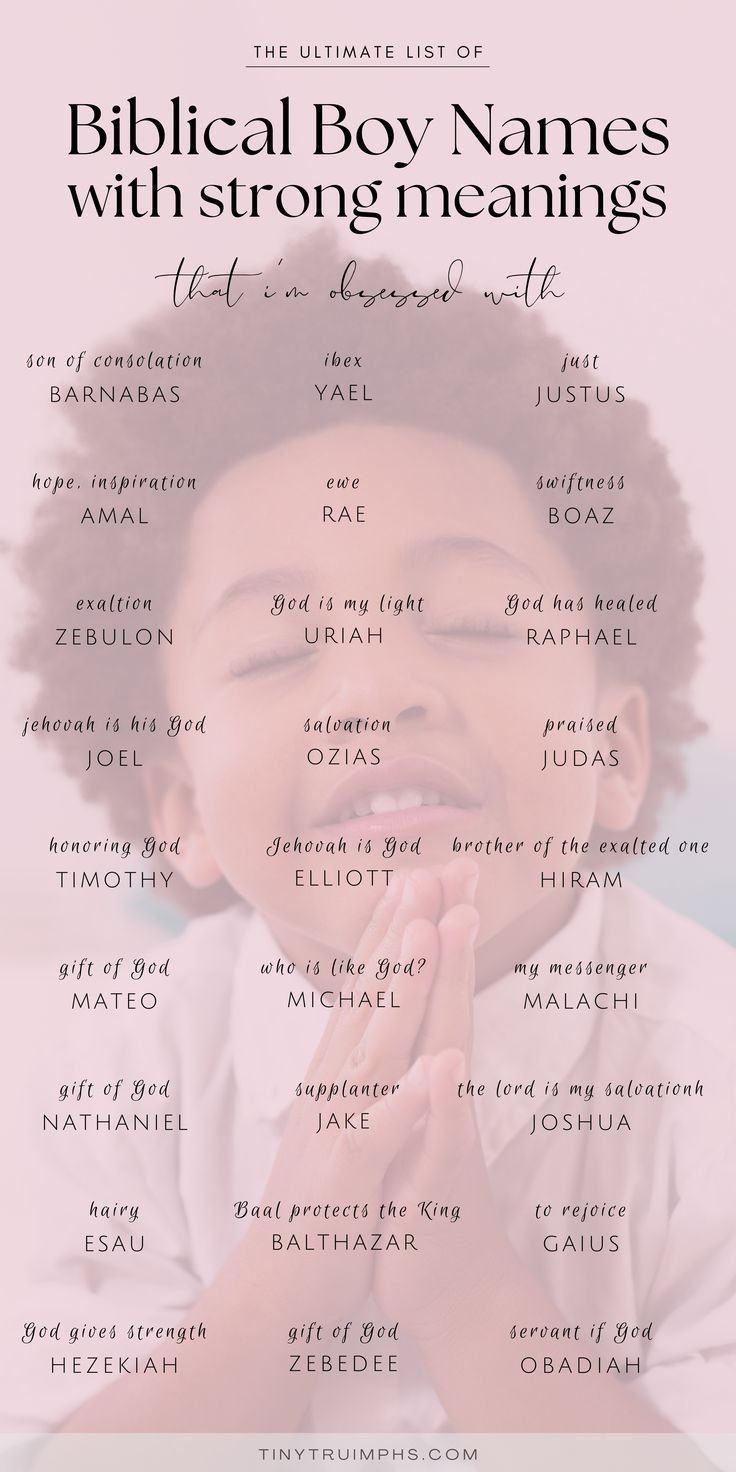
- Timothy (Honoring God): A young protégé of Paul, known for his sincere faith passed down through generations. A name symbolizing devotion, faithfulness, and a rich spiritual heritage.
- Barnabas (Son of encouragement): An early Christian disciple known for his generous spirit and ability to uplift and support others in the faith. A name for warmth, support, and building community.
Your Naming Playbook: How to Choose a Powerful Biblical Name
Selecting a name for your son is a journey of prayer, reflection, and discernment. Here’s a practical guide to help you navigate the options and confidently choose a powerful biblical name that resonates with your family’s values.
Step 1: Pray for Guidance and Reflect on Scripture
Begin by seeking wisdom. Consider specific Bible stories, verses, or virtues that have deeply impacted your own faith journey. Do you admire the unwavering faith of Abraham, the courage of David, or the wisdom of Daniel? Let these spiritual inspirations guide your initial thoughts.
Step 2: Understand the Nuances of Meaning and Character Traits
Don’t stop at the surface. Dive into the full meaning and the associated character traits of each name that catches your eye.
- Case Snippet: You might be drawn to “Caleb” for its sound. Discovering it means “faithful” or “whole-hearted” and is linked to the courageous spy who wholly followed God (Numbers 14:24) adds immense depth. This connection ensures the name aligns with values of steadfastness and courage you wish to instill.
Ask yourself: - What does this name mean?
- What kind of person bore this name in the Bible?
- What virtues did they embody?
- Do these meanings and virtues align with our hopes and prayers for our son?
Step 3: Consider Personality and Future Vision
While you can’t predict your son’s personality, you can envision the kind of man you hope he will become. Does a name like “Asher” (happy, blessed) resonate with a desire for joy and contentment? Or does “Ethan” (enduring, strong) speak to a hope for resilience and steadfastness?
- Tip: Say the name aloud. How does it sound with your last name? Does it feel natural, strong, and easy to pronounce? Explore variations like “Eli” for Elijah or “Zac” for Isaac if you prefer a modern touch while retaining the spiritual legacy.
Step 4: Discuss and Discern with Loved Ones
Naming a child is a shared decision, especially with your spouse. Share your findings, discuss the stories, and reflect on the meanings together. You might discover a name one of you never considered, or a shared conviction about a name that truly feels “right.” Inviting input from close family or spiritual mentors can also offer valuable perspectives and affirmations.
Step 5: The “Power Check”: Does it Inspire?
Ultimately, a powerful name should inspire. It should carry a story, a meaning, and an essence that you and your son can draw strength from throughout his life.
- Decision Tree:
- Initial Attraction? (Sound, family history, etc.)
- Biblical Origin & Meaning Checked? (Is it truly powerful and meaningful?)
- Biblical Figure & Story Resonates? (Does his life inspire?)
- Aligns with Hopes/Values for Son? (Does it speak a blessing over him?)
- Practical Fit? (Flows with last name, easy to say, feels right?)
- Shared Conviction? (You and your partner feel good about it?)
- YES to all? You’ve found a powerful biblical name!
Quick Answers: Addressing Common Questions
Is choosing a “powerful” biblical name limiting for my son?
Quite the opposite! While names like David or Moses are undeniably powerful, their stories are complex and relatable, encompassing triumphs and struggles. These names offer a rich identity, not a confining label. They provide a heritage of resilience, faith, and meaning that can be a source of strength rather than a burden. Your son will make the name his own, filling it with his unique character.
What if I love a powerful biblical name, but the associated character had flaws?
Many biblical heroes were flawed individuals whom God used mightily. Abraham doubted, Moses struggled with anger, and David committed serious sins. The power in these names often lies not in perfect character, but in God’s grace, redemption, and how He worked through imperfect people. Choosing such a name can teach your son about grace, forgiveness, and how God can use anyone who turns to Him. It’s about the transformative power of God in a life, not human perfection.
How do I balance traditional biblical names with a desire for something unique or modern?
Many traditional powerful biblical boy names have accessible, modern variations or nicknames. For example:
- Elijah can be Eli or Lijah.
- Isaac offers Ike or Zac.
- Abraham can be shortened to Abe or Bram.
- Joseph naturally becomes Joe or Joey.
You can also opt for less common but equally powerful names like Azariah, Boaz, or Malachi, which have strong meanings and rich histories but are less frequently heard. This blends tradition with a touch of distinctiveness.
Should I prioritize the meaning or the sound of a name?
While sound is important for daily use, for a “powerful biblical boy name,” meaning often holds greater weight. The richness of a name like Gideon (mighty warrior) or Jeremiah (exalted by God) lies in its inherent message and historical resonance. Aim for a harmonious balance: a name that sounds good and carries a meaning that deeply blesses and inspires.
Your Son’s Legacy: A Name Chosen with Purpose
Choosing one of the powerful biblical boy names is a profound act of love and intention. It’s an opportunity to imbue your son’s identity with a heritage of faith, strength, and meaning that will resonate throughout his life. Whether you select a name connected to courageous leaders, wise prophets, or steadfast apostles, you are giving him more than just a title – you are giving him a story to draw from, a legacy to uphold, and a constant reminder of God’s enduring presence and purpose. Take your time, pray, reflect, and confidently choose a name that speaks blessings into his future.

- Powerful Biblical Boy Names with Enduring Faith and Meaning - November 9, 2026
- Bible Names and Their Meanings Reveal Deep Spiritual Roots - November 8, 2026
- Christian Bible Names and Meanings for Your Sons Spiritual Journey - November 7, 2026