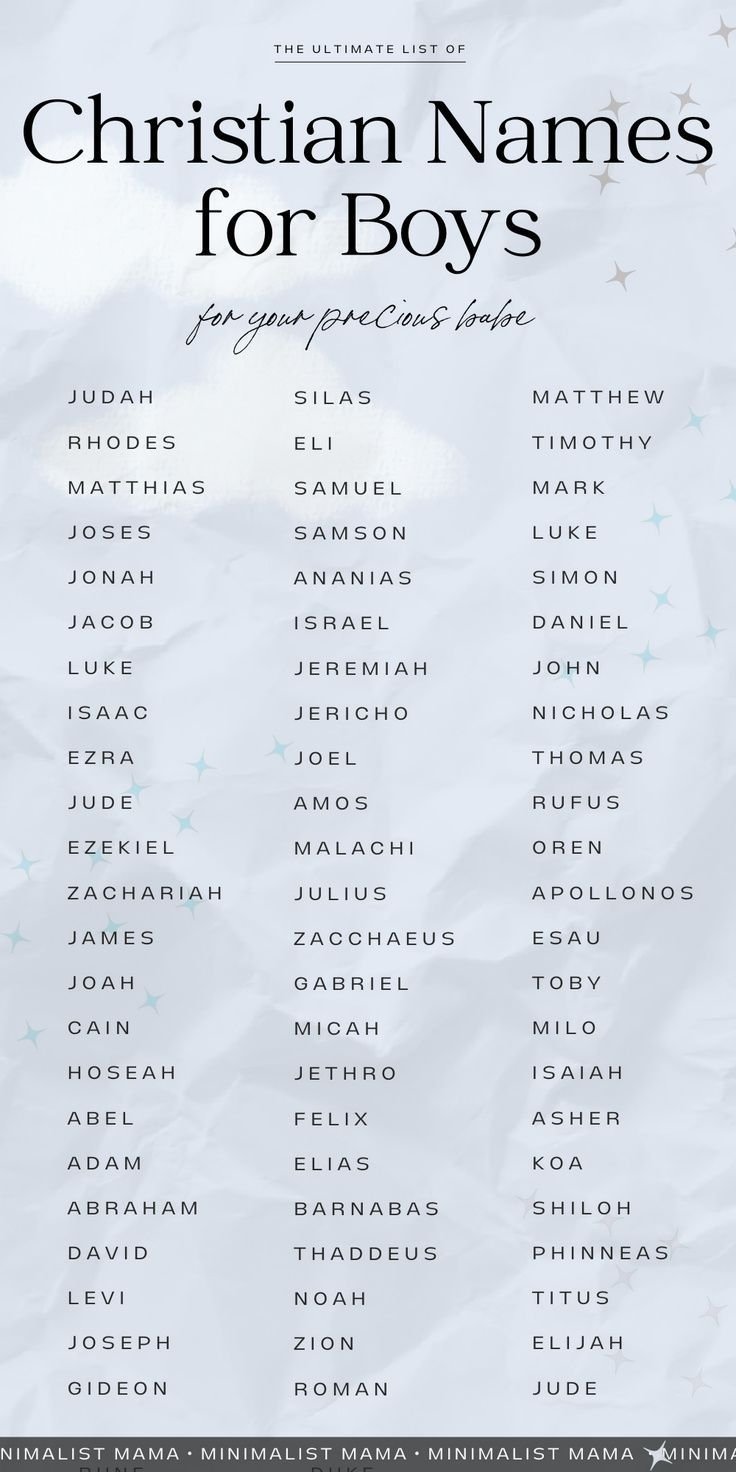
Choosing a name for your son is one of the most profound and exciting decisions you’ll make as a parent. For Christian families, this choice often extends beyond mere aesthetics, becoming an act of faith, a prayer, and a way to embed spiritual heritage into their child’s identity. Selecting christian boy names with deep meanings and rich origins connects your son not just to a tradition, but to centuries of scripture, courage, wisdom, and devotion.
At a Glance: Guiding Your Search for Christian Boy Names
- Uncover Rich Meanings: Explore how biblical names carry stories of faith, character, and divine purpose.
- Navigate Old & New Testament Sources: Discover the diverse range of names from different eras of scripture.
- Balance Familiarity with Uniqueness: Find names that resonate deeply, whether classic or less common.
- Consider Modern Context & Sound: Ensure your chosen name fits well in contemporary life while honoring its origins.
- Address Potential Pitfalls: Learn to avoid names with unintended negative associations.
- Implement a Thoughtful Naming Playbook: Follow a step-by-step process for making this significant decision.
The Enduring Appeal of Christian Boy Names
For centuries, christian boy names have been a wellspring of inspiration for parents. These aren’t just labels; they’re echoes of powerful narratives, reflections of God’s character, and reminders of enduring human virtues. When you choose a name like Noah (“Rest, comfort”) or Daniel (“God is my judge”), you’re not just picking sounds; you’re inviting a legacy of integrity, resilience, and faith into your home. This deep connection to scripture and spiritual heritage transforms a simple designation into a lifelong blessing.
Unearthing Meaning: Beyond the Surface of a Name
Every biblical name tells a story. Understanding this narrative layer is crucial for Christian parents seeking more than just a pleasant sound. It’s about discerning the character, circumstances, or prophetic significance tied to the name.
- Direct Translation: Many names offer a clear, powerful meaning. Take Gabriel, meaning “God is my strength,” a name borne by an archangel delivering pivotal messages. Or Asher, simply meaning “Happy, blessed,” reflecting a joyous origin.
- Character and Legacy: Sometimes, the meaning is deeply tied to the individual’s story. Abraham, “Father of many nations,” embodies faith and trusting God’s promises, a narrative far grander than the literal translation. Similarly, David (“Beloved”) wasn’t just loved by his family, but chosen by God as a king, his story reflecting courage and repentance.
- Prophetic Significance: Some names carry a future-oriented meaning, often foreshadowing a divine purpose. Emmanuel (or Immanuel), meaning “God with us,” is a powerful prophetic name for Jesus himself, speaking to God’s presence among humanity.
Digging into these layers helps you choose a name that resonates with the hopes and prayers you have for your son’s life.
Navigating the Biblical Landscape: Old Testament Might vs. New Testament Grace
The Bible offers a vast array of christian boy names, broadly categorized by their origin in the Old or New Testament. Each section brings a distinct flavor and historical context.
Old Testament Foundations: Strength, Covenant, and Resilience
Names from the Old Testament often carry themes of covenant, leadership, strength, and God’s faithfulness through challenging times. They connect your son to the foundational stories of creation, the patriarchs, and the formation of God’s chosen people.
- Patriarchs and Leaders: Names like Abraham (father of faith), Isaac (laughter, a miraculous child), Jacob (supplanter, later “Israel” – struggles with God), and Moses (drawn out, deliverer) signify foundational figures. Choosing one of these connects your son to deep roots of faith and divine purpose.
- Kings and Prophets: From David (beloved king) to Solomon (peace), Samuel (heard by God), Elijah (My God is Yahweh), and Isaiah (Salvation of the Lord), these names evoke leadership, prophecy, and unwavering devotion.
- Names of Character: Consider Caleb (“Whole-hearted, faithful, brave”), a man who trusted God’s promises wholeheartedly. Or Boaz (“Strength, swiftness”), a righteous man known for his kindness and integrity. These names highlight specific virtues that parents might wish for their son.
Many parents explore these options for their timeless feel and profound connection to ancient history and God’s unfolding plan. For a broader exploration of these names and their diverse origins, including many more Old Testament options, you’ll find a wealth of information in our main guide on Biblical names for your son.
New Testament Inspirations: Grace, Discipleship, and the Early Church
The New Testament provides names steeped in the era of Jesus’s ministry, the apostles, and the formation of the early church. These names often reflect themes of grace, mission, and devoted discipleship.
- The Apostles: Names like Peter (rock, a leader of the early church), Andrew (manly, brave, the first disciple), James (supplanter), John (God is gracious, the beloved disciple), and Matthew (gift of God) are perennial favorites, signifying foundational roles in Christian history.
- Missionaries and Converts: Names like Paul (small, humble, the greatest missionary), Timothy (honoring God, a faithful protégé), Barnabas (son of encouragement), and Luke (light giving, a physician and Gospel writer) symbolize outreach, dedication, and the spread of the Gospel.
- Less Common, Still Meaningful: For those seeking a unique New Testament name, consider Silas (man of the forest, a companion of Paul), Titus (honorable, another trusted companion), or Aquila (eagle, a tentmaker who hosted Paul). These offer a fresh take with deep spiritual backing.
Choosing a New Testament name can connect your son to the dynamic beginnings of Christianity and the call to discipleship.
Beyond the Familiar: Exploring Unique and Uncommon Christian Boy Names
While names like David, John, and Matthew are enduring classics, the Bible offers a rich tapestry of less common but equally profound christian boy names. Venturing beyond the most popular choices can provide your son with a distinct identity while still rooting him in faith.
- Finding Hidden Gems: Look at supporting characters or figures from less frequently read books of the Bible.
- Hezekiah (God strengthens): A righteous king who trusted God in times of great challenge.
- Asa (Healer): A godly king who removed idols and brought revival.
- Jabez (Sorrow, born in pain): Famous for his prayer for blessing and protection (1 Chronicles 4:10).
- Gideon (Mighty warrior): A judge who delivered Israel with a small army.
- Philemon (Affectionate): A Christian slave owner, subject of one of Paul’s letters, demonstrating Christian love and forgiveness.
- Nehemiah (Comforted by God): The leader who rebuilt Jerusalem’s walls, symbolizing perseverance and faith in action.
- Zacchaeus (Pure): The tax collector who encountered Jesus, representing redemption and new life.
- The Power of Story: Even if a name isn’t instantly recognizable, its biblical story can be a powerful conversation starter and a source of inspiration. Explain to your son the meaning and the character behind his unique name.
- Sound and Significance: When exploring less common names, say them aloud, consider potential nicknames, and ensure the sound blends well with your surname. A name like Eleazar (“God is help”) or Benaiah (“Built by God”) might initially sound less familiar but carries immense spiritual weight and a distinguished feel.
Practical Considerations for Christian Parents: Making the Right Choice
Selecting christian boy names is deeply personal, but certain practical aspects can guide your decision, ensuring the name serves your son well throughout his life.
The Sound and Flow Test
How does the name sound when spoken aloud, especially with your surname? Some names, while meaningful, might be difficult to pronounce or clash phonetically.
- Example: If your surname is long or complex, a shorter, stronger first name like Boaz or Seth might create a better balance than a lengthy one like Aristarchus. Also consider potential nicknames – will they be desirable?
Family Traditions and Modern Appeal
Will the name honor family heritage, or are you looking to start a new tradition? Many families pass down names, sometimes adapting them slightly.
- Consider: While names like Abraham and Moses are undeniably classic, ensure they feel comfortable and not overly burdensome in a modern context. Sometimes, a biblical name that isn’t overly common offers a fresh yet rooted choice.
Avoiding Unintended Connotations
While nearly every name in the Bible belongs to a christian boy name by origin, some figures are associated with negative stories.
- Cautionary Tales: Names like Cain (known for fratricide), Judas (the betrayer), Ahab (an idolatrous king), or Dathan (who rebelled against Moses) carry strong negative connotations. While historically significant, these might bring unwelcome assumptions or teasing.
- Nuance is Key: Consider the full biblical narrative. A character might have a complex story; decide if the name’s underlying meaning or overall impression aligns with your hopes for your son.
Spiritual Intent: A Name as a Blessing
Ultimately, for Christian parents, the name chosen often reflects a prayer or a declaration over their son’s life.
- Case Snippet: “Eliza and Ben chose Timothy for their son, not just because it means ‘Honoring God,’ but because they deeply desired him to grow up with a reverence for faith, just like the young pastor in the New Testament.” This intentionality transforms the name into a daily reminder of their spiritual aspirations.
The Christian Naming Playbook: A Step-by-Step Guide
Making this decision doesn’t have to be overwhelming. Here’s a clear process to help you narrow down your choices and feel confident in your selection:
- Pray and Reflect: Begin by seeking God’s guidance. Ask for wisdom and discernment to choose a name that honors Him and blesses your son.
- Immerse Yourselves in Scripture: Read biblical stories and pay attention to names that resonate. Don’t just scan lists; understand the context and character behind each name. Does the story of Joseph (He will add) appeal, or the faithfulness of Samuel (Heard by God)?
- Research Meanings and Origins: Once you have a shortlist, dive deeper into the precise meanings and the full stories behind each name. This adds layers of understanding and helps confirm your initial impressions.
- Consider Character and Legacy: What qualities do you hope your son embodies? Courage (like Joshua), wisdom (like Solomon), strength (like Aaron), or faithfulness (like Daniel)? Let these aspirations guide your choices.
- Test It Out: Say the full name aloud repeatedly. How does it sound? Does it flow well with your surname? Practice writing it. Consider potential nicknames and whether you like them.
- Seek Consensus: This is a joint decision for parents. Discuss your top choices, share why they appeal to you, and be open to compromise. Finding a name that both parents love reinforces the unity and shared vision for your child.
Quick Answers: Addressing Common Questions about Christian Boy Names
Are all biblical names suitable as Christian boy names today?
While all biblical names originate from scripture, not all are commonly used today, or they might carry historical connotations that some parents prefer to avoid (e.g., Judas, Cain). However, many less common biblical names have beautiful meanings and can make excellent choices if you appreciate their depth and story.
Is it okay to use a name from a minor biblical figure?
Absolutely! Many minor biblical figures have profound stories and inspiring names that can be wonderful choices. For instance, Boaz was a righteous man of integrity, Jabez‘s prayer is a testament to seeking God’s blessing, and Barnabas lived up to his name as a “son of encouragement.” These often offer a unique touch while still being firmly rooted in faith.
What if my partner and I disagree on Christian boy names?
This is very common! Start by discussing what you both value in a name: meaning, sound, popularity, or family connection. Explore names together, read the stories behind them, and pray for unity. Often, finding a name that embodies shared spiritual aspirations can lead to a breakthrough. Compromise might mean choosing one person’s favorite as a first name and the other’s as a middle name.
Can I use a modern variant of a biblical name?
Yes, many popular modern names are variants of biblical names (e.g., Jacob/Jake, John/Jon/Jack, Matthew/Matt). Using a variant can offer a contemporary feel while still honoring the original biblical meaning and heritage. It’s a personal preference whether you stick to the classic form or opt for a modern adaptation.
Do Christian boy names have to be Hebrew?
Not exclusively. While many originate from Hebrew, the Bible also features names with Aramaic, Greek, and Latin roots, particularly in the New Testament (e.g., Cephas is Aramaic for Peter, Luke is Latin, Philip is Greek). What makes them “Christian boy names” in this context is their presence and significance within the biblical narrative.
A Legacy of Faith and Meaning
Choosing christian boy names for your son is a profound act, imbuing his identity with rich history, deep meaning, and spiritual significance. It’s an opportunity to speak blessings over his life, connecting him to a lineage of faith that transcends generations. By thoughtfully exploring the biblical landscape, understanding the stories behind the names, and applying practical considerations, you can select a name that not only sounds wonderful but also serves as a lifelong reminder of God’s purpose and love. Embrace this journey; the perfect name, full of strength and meaning, awaits your son.

- Choosing Christian Boy Names With Deep Meanings And Origins - November 1, 2026
- Biblical Male Names for Boys with Strength and Meaning - October 31, 2026
- Bible Names For Boys Offer Timeless Meanings For Todays Sons - October 30, 2026