Choosing a name for your son is one of the most profound decisions you’ll make as a parent. It’s a gift that shapes identity, echoes through generations, and carries a story all its own. For many, delving into the rich tapestry of biblical baby names offers an unparalleled opportunity to bestow a legacy of strength, meaning, and timeless values right from birth. These names aren’t just ancient labels; they are living testaments to faith, courage, and purpose, ready to inspire your son throughout his life’s journey.
At a Glance: Crafting Your Son’s Biblical Name Story
- Discover Depth: Unpack the layers of meaning and historical significance behind biblical names.
- Navigate Categories: Understand the nuances between popular, unique, strong, and timeless choices.
- Harmonize Values: Learn how to align a name’s biblical story with the virtues you wish for your child.
- Practical Selection Tips: Gain actionable advice for choosing a name that resonates in sound, meaning, and family context.
- Address Common Questions: Find answers to practical and philosophical queries about biblical naming.
Why Biblical Names Offer More Than Just a Label
The appeal of biblical names goes far beyond tradition. They carry an inherent depth, often originating from figures who displayed remarkable courage, leadership, and unwavering faith. When you choose a biblical name for your son, you’re not just picking letters; you’re inviting him into a narrative, offering a foundation built on inspiring stories.
Imagine your son growing up and learning about a character like David, a shepherd boy who became a king against all odds, or Noah, who demonstrated steadfastness in the face of a world-altering challenge. These stories aren’t just historical footnotes; they become personal fables, encouraging a child to explore virtues like strength, honesty, resilience, and principle. The name itself becomes a conversation starter, a memorable identifier, and a constant connection to a heritage of profound meaning.
Understanding the Landscape: Decoding Biblical Boy Name Categories
The Bible is a vast repository of names, offering a truly diverse range of options for your son. To navigate this landscape effectively, it helps to understand the general categories these names fall into, each with its own unique charm and implications.
The Ever-Popular: Names That Stand the Test of Time
Some biblical names have consistently graced popularity charts, becoming cherished classics for generations. These names offer a blend of familiarity and enduring meaning, making them a safe yet significant choice. They’re recognizable, easy to pronounce, and often carry universally admired connotations.
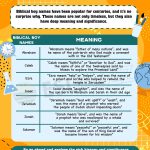
- Noah: Meaning “rest, comfort,” Noah’s story is one of unwavering faith and new beginnings. It consistently ranks high, offering warmth and gentleness.
- Benjamin: “Son of the right hand,” this name signifies favor and strength. It’s a beloved choice that feels both classic and contemporary.
- Ethan: Meaning “strong, firm, enduring,” Ethan is a prime example of a name that conveys resilience without being overly common in its biblical association.
- Levi: Signifying “joined in harmony,” Levi has seen a surge in popularity, loved for its crisp sound and positive meaning.
- Daniel: “God is my judge,” this name speaks of wisdom and integrity, a perennial favorite that never feels dated.
- Joseph: “God will give, He will add,” Joseph is a testament to perseverance and divine provision, a strong, gentle classic.
Choosing a popular name often means your son will share it with others, fostering a sense of community. Yet, each name’s individual story ensures it retains its unique power.
The Distinctly Unique: Rare Gems from Scripture
For parents seeking a name that stands out while still being deeply rooted in faith, the Bible offers a treasure trove of less common, yet equally powerful, options. These names might spark curiosity and allow your son to carve a more distinctive identity.
- Gideon: A “mighty warrior” who led a small army to victory, Gideon is a strong, compelling name for parents seeking uniqueness.
- Amos: Meaning “strong, hardworking” or “burden bearer,” Amos is a succinct and impactful name that signifies responsibility and strength.
- Hezekiah: “God strengthens,” this name, belonging to a reforming king, offers a regal and unique choice with a profound spiritual meaning.
- Jethro: Moses’ father-in-law, meaning “abundance,” is a warm, approachable, and truly distinctive biblical option.
- Boaz: Meaning “swiftness, strength,” Boaz is a charismatic and romantic figure from the book of Ruth, offering a name with character and grace.
- Immanuel: “God is with us,” a prophetic name for the Messiah, offers a deeply spiritual and uncommon choice.
Opting for a unique biblical name can be a beautiful way to honor your faith while giving your son a name that truly sets him apart. For a truly exhaustive look at hundreds of choices, from the well-known to the deeply obscure, explore our comprehensive guide to Strong, meaningful Biblical names.
The Strong and Mighty: Names Evoking Power and Courage
Many biblical figures were warriors, leaders, and prophets who faced immense challenges with unwavering conviction. Their names carry an inherent sense of power, courage, and steadfastness.
- Caleb: “Devotion to God, whole-hearted,” Caleb was one of the two spies who trusted God to conquer the Promised Land. It’s a name that speaks of loyalty and bravery.
- Ezekiel: “Strength of God, God strengthens,” this prophetic name suggests divine power and resilience.
- Joshua: “God is salvation,” Joshua led the Israelites into the Promised Land, a name synonymous with leadership and divine guidance.
- Goliath: While a primary antagonist, his name, meaning “exile, soothsayer,” intrinsically evokes a sense of immense strength (often physical), though many prefer names associated with positive figures.
- Judah: “One who praises God,” the name of a patriarch and the tribe from which kings (including David and Jesus) descended, embodies royalty and praise.
- Samson: “Of the sun, bright sun,” Samson was a man of extraordinary strength, a name that radiates power and intensity.
These names are ideal for parents who wish to instill a sense of robustness and determined spirit in their son.
Traditional and Timeless: Names with Enduring Dignity
Beyond mere popularity, some biblical names possess a timeless elegance and dignity that transcends trends. They feel classic, always appropriate, and carry a respectful gravitas.
- Aaron: “Mountain of strength, exalted,” Aaron was Moses’ brother, the first High Priest, symbolizing leadership and holiness.
- Andrew: “Strong and manly,” one of Jesus’ first disciples, Andrew offers a gentle strength and universal appeal.
- Jonathan: “Gift of Jehovah,” David’s loyal friend, Jonathan represents profound loyalty and friendship.
- Paul: “Small, humble,” yet a monumental figure in early Christianity, Paul’s name speaks of transformation and profound influence.
- Peter: “Rock, stone,” the foundation upon which Jesus said His church would be built, Peter signifies steadfastness and leadership.
- Stephen: “Crown, garland,” the first Christian martyr, Stephen is a name of quiet strength and enduring faith.
Choosing a traditional name means selecting a choice that has resonated through centuries and continues to do so today, offering a comforting familiarity alongside deep meaning.
Uncommon Yet Meaningful: Names Reflecting a Vibrant Past
Many biblical names, though less frequently heard today, were once prominent. They offer a connection to a rich history and can feel refreshingly original without being invented. These often hold fascinating stories and unique linguistic beauty.
- Abner: “Father of light,” a military commander, Abner is a distinguished and rarely chosen name.
- Enoch: “Dedicated, trained,” a figure who “walked with God,” Enoch offers a gentle, spiritual, and truly uncommon choice.
- Hiram: “Exalted brother,” a king who aided Solomon, Hiram carries an ancient, strong, and kingly feel.
- Jabez: Despite its initial meaning (“he makes sorrowful”), Jabez’s story in the Bible is one of abundant blessing, making it a powerful and surprising choice for those who know its full narrative.
- Obadiah: “Servant of the Lord,” a prophet, Obadiah is a serious, dignified, and exceptionally rare biblical name.
- Zacchaeus: A tax collector transformed by an encounter with Jesus, Zacchaeus, though uncommon, has a memorable story of redemption.
These names allow parents to revive a piece of biblical heritage, bestowing a name that’s both historic and distinctively modern in its rarity.
Spiritual Boy Names with General Connotations
Beyond names tied directly to biblical figures, some names carry a spiritual resonance or embody virtues often celebrated in faith traditions. While not strictly “biblical characters,” they align with the spirit of choosing a meaningful name.
- Honor: A direct virtue name, emphasizing respect and integrity.
- Justice: Signifying fairness and righteousness, a powerful and clear statement.
- Noble: A name that speaks to high moral principles and distinction.
- Shepherd: Evoking guidance, protection, and care, reminiscent of Christ as the Good Shepherd.
- Valor: A name that directly denotes courage and strength in the face of adversity.
These options can be excellent complements to a biblical first or middle name, or stand alone for families seeking a name that embodies a specific virtue.
Beyond the List: What Makes a Biblical Name Truly Meaningful?
Selecting a name isn’t just about scanning lists; it’s about connecting with a story, a sound, and a spirit. Here’s how to go deeper in your decision-making.
The Power of Meaning and Origin Stories
Every biblical name has a root meaning and often, a compelling story attached to a character. This narrative depth is where a biblical name truly shines. Understanding who the character was, their trials, triumphs, and defining qualities, allows you to imbue your son’s name with profound significance.
- Example: You might love the sound of “Isaac.” Learning that it means “laughter” and is tied to Abraham and Sarah’s miraculous joy in old age adds layers of hope and delight to the name.
- Example: “Gabriel,” meaning “God is my strength,” is connected to the archangel who delivered monumental messages. This conveys protection, divine communication, and power.
Don’t just pick a name because it sounds nice; research its heritage. Does the character’s journey resonate with your family’s values or aspirations for your child? This connection transforms a simple label into a personal mantra.
Sound, Flow, and Family Harmony
While meaning is paramount, the practical aspects of a name’s sound and flow are equally important.
- Say it aloud: How does the first name sound with your surname? Does it roll off the tongue easily, or is it a tongue-twister?
- Consider nicknames: Many biblical names lend themselves to classic nicknames (Daniel to Dan, Samuel to Sam, Joseph to Joe). Are these appealing to you, or are there undesirable ones you’d want to avoid?
- Middle name synergy: If you’re planning a middle name, try saying the full name together. Does it create a harmonious rhythm?
- Sibling names: How does the chosen name sound alongside potential or existing sibling names? Do they complement each other without being too matchy or clashing?
A name that sounds good and flows well will be a pleasure for your son to hear and use throughout his life.
Legacy and Inspiration
A biblical name can serve as a lifelong source of inspiration. It can provoke your child to inquire about his namesake, prompting a journey of discovery into ancient texts and timeless lessons.
- A “moral compass”: The virtues associated with his namesake can become a gentle, guiding influence. A “David” might be encouraged by courage and faith; a “Solomon” by wisdom; a “Nathan” by truth-telling.
- Conversation starter: His name can open doors to discussions about faith, history, and personal values, helping him connect with his heritage and faith community.
This inspiring aspect is a unique benefit of choosing a name with such a rich, historical, and spiritual background.
Navigating the Nuances: Making Your Choice
The vast selection of biblical boy names can feel overwhelming. Here’s a framework to help you narrow down your choices and feel confident in your decision.
Popularity vs. Uniqueness: Finding Your Balance
This is often one of the first considerations. Do you prefer a well-loved name or something more distinctive?
- Embracing Popularity: If you love names like Noah, Benjamin, or Daniel, embrace them! Their popularity is a testament to their enduring appeal and pleasant sound. Your child will likely find others with his name, which can be a comfort and foster camaraderie.
- Seeking Uniqueness: If you’re drawn to names like Hezekiah, Gideon, or Amos, you’re looking for something that stands out. These names often lead to more questions and conversations about their origins, giving your son a distinct identity. Just be prepared for potential mispronunciations or repetitions when introducing the name.
- The “Sweet Spot”: Some names are familiar but not overly common, striking a perfect balance. Names like Caleb, Isaac, or Gabriel often fall into this category—recognizable but still feeling special.
Think about how you felt about your own name growing up. Did you appreciate its commonality or wish for more uniqueness? This personal reflection can offer valuable insight.
Strength & Symbolism: Reflecting Desired Traits
Consider the characteristics you hope your son will embody. Is it courage, wisdom, gentleness, leadership, or perhaps a blend?
- For Courage: Names like Joshua (leader, salvation), Caleb (whole-hearted devotion), or Gideon (mighty warrior).
- For Wisdom: Solomon (wise king), Daniel (God is my judge), Ethan (enduring, firm).
- For Gentleness/Comfort: Noah (rest, comfort), David (beloved), Levi (joined in harmony).
- For Divine Connection: Gabriel (God is my strength), Samuel (God has heard), Immanuel (God is with us).
Aligning the name’s meaning with desired virtues can create a powerful affirmation for your son.
Personal Connection: Trusting Your Gut
Ultimately, the best name for your son is one that resonates deeply with you and your partner.
- “The Feeling”: Sometimes, a name just feels right. You might hear it or see it and know, instinctively, that it’s “the one.” Don’t underestimate this emotional connection.
- Shared Story: Does the biblical story behind the name have a particular significance for your own journey of faith, your family history, or your hopes for your child? This personal link can make the name even more special.
- Say it out loud, often: Live with the name for a few days. Imagine calling your child by it, introducing him, and hearing it in different contexts. This can solidify your feeling or highlight any hidden reservations.
Your Biblical Name Selection Checklist
Ready to make your choice? Use this playbook to guide you through the final steps.
- Deep Dive into Meaning:
- For your top 3-5 names, research the exact Hebrew or Greek meaning and the full biblical narrative of the character.
- Question: Does the character’s life story, virtues, or even challenges, reflect something you want your son to learn or embody?
- Sound Check & Practicalities:
- Say the full name (first, middle, last) out loud multiple times. How does it sound?
- Question: Are there any tricky pronunciations? Potential undesirable nicknames?
- Write the name down. How does it look?
- Family & Cultural Context:
- Discuss the name with your partner (and close family, if you wish).
- Question: Does it blend well with your family’s surname? Any cultural sensitivities to consider?
- Think about how the name might fit as your son grows from a baby to an adult.
- The “Future You” Test:
- Imagine introducing your adult son with this name. Does it still feel strong and appropriate?
- Question: Does it offer enough versatility for various career paths or life stages?
- Listen to Your Heart:
- After all the research and practical checks, which name still feels the most special and exciting to you?
- Remember: The “perfect” name is the one you both love and that feels right for your family.
Practical Scenarios
- Scenario 1: Balancing Tradition with Modernity. Maria loved the deep meaning of “Jeremiah” (“appointed by God”) but worried it felt too old-fashioned. After trying it with a modern middle name, “Jeremiah Finn,” and realizing its enduring quality, she felt confident. The biblical weight was there, balanced by a fresh, crisp sound.
- Scenario 2: The Character’s Flaws. David and Emily adored the unique name “Cain,” but were troubled by the biblical character’s story. They focused on the name’s original meaning, “spear,” and its strong, distinctive sound, deciding that the modern child would create his own story, distinct from ancient figures, but still acknowledged the tension.
- Scenario 3: Seeking a Lesser-Known Gem. Sarah and Tom wanted a name that had biblical roots but wasn’t in the top 100. They discovered “Boaz,” a character of integrity and kindness. Its meaning, “strength,” combined with its charming rarity, made it the perfect choice for their son.
Quick Answers: Common Questions About Biblical Baby Names
Are all biblical names explicitly Hebrew?
No. While many biblical names are of Hebrew origin (e.g., David, Samuel, Noah), the Bible also contains names of Greek origin (e.g., Luke, Stephen, Timothy), Aramaic (e.g., Thomas), and Latin (e.g., Mark, Silas, Felix). The New Testament, in particular, features more Greek and Latin names due to the historical context.
What if I love a biblical name but dislike the character associated with it?
This is a common dilemma. Many parents choose to focus on the name’s inherent meaning or sound rather than the specific actions of the biblical character. For example, “Cain” means “spear” and sounds strong, despite the character’s tragic story. Similarly, “Judas” means “praised,” a powerful meaning despite its association with betrayal. You have the agency to reclaim and redefine a name’s association for your child, emphasizing the virtues you wish for them rather than historical precedents.
Are there biblical names that aren’t overly religious?
Absolutely. Many biblical names have transitioned into mainstream use and are chosen simply because they are lovely, strong, or classic, without an explicit religious statement. “Luke,” “Ethan,” “Adam,” “Levi,” “Noah,” “Caleb,” and “Silas” are prime examples. Their biblical origins are often secondary to their modern appeal and widespread acceptance.
How popular are biblical names truly?
Biblical names consistently rank among the most popular choices for boys year after year. Names like Noah, Benjamin, Liam (an Irish variation of William, which has biblical connections through figures like King William), and Oliver often top the charts. This speaks to their timeless appeal, familiar sounds, and deep-seated meanings that resonate across cultures and faiths. Even many names that don’t immediately sound “biblical” to everyone, like Ethan or Luke, have direct biblical roots and strong popularity.
The Journey Continues: Your Son’s Name Story
Choosing a name is a significant step in welcoming your son into the world. By exploring biblical baby names, you’re not just selecting a label; you’re crafting the opening chapter of his personal story, infusing it with historical depth, profound meaning, and an enduring connection to faith and virtue. Take your time, lean into the stories, and trust your instincts. The name you choose will be a beautiful declaration of your hopes and dreams for the strong, meaningful life awaiting your son.

- Biblical Baby Names Offer Strong and Meaningful Choices for Boys - November 16, 2026
- Strong Biblical Boy Names That Carry Deep Meaning and Legacy - November 15, 2026
- Religious Male Names With Strong Meanings and Enduring Faith - November 14, 2026