Choosing a name for your son is a profound act, a first step in shaping his identity and future. For many parents, the desire to imbue that choice with spiritual depth leads directly to christian male names. These aren’t just labels; they’re echoes of faith, resilience, and purpose, offering a powerful legacy that resonates through generations. Opting for a name rooted in Christian tradition means selecting a story, a virtue, or a divine promise for your son to carry.
At a Glance: Crafting a Meaningful Name Choice
- Discover Enduring Narratives: Uncover names tied to biblical figures, saints, and pivotal moments in Christian history.
- Align Meaning with Virtue: Understand the powerful meanings behind each name and how they reflect character traits like strength, faith, and humility.
- Navigate Biblical and Traditional Options: Explore the rich diversity of names from scripture, early church leaders, and virtue-based origins.
- Implement a Practical Selection Process: Get step-by-step guidance on researching, evaluating, and ultimately choosing the perfect name.
- Address Common Questions: Find clear answers to queries about unique names, negative associations, and balancing tradition with personal taste.
Why Christian Male Names Offer More Than Just a Sound
The allure of Christian male names lies in their depth. They carry historical weight, spiritual significance, and often, compelling narratives of individuals who embodied faith, leadership, or devotion. When you select a name like “Gabriel” or “David,” you’re not just picking a sound; you’re inviting a story of divine strength or beloved leadership into your son’s life. This connection to a larger heritage can be a source of inspiration and identity.
Many of these names originated in Hebrew, Greek, or Latin, each conveying a specific virtue or prophecy. They tell tales of patriarchs, prophets, apostles, and saints who navigated immense challenges with courage and conviction. For parents, this means a chance to bestow a name that is both timeless and deeply personal, reflecting their own faith journey and aspirations for their child.
Navigating the Rich Landscape of Christian Male Names
The spectrum of Christian male names is vast, extending beyond the immediate pages of the Bible into centuries of church history and tradition. Understanding these categories can help narrow your search and deepen your appreciation for the name you choose.
Names Rooted in Sacred Scripture
These are perhaps the most popular and recognizable category. Biblical names often come with a well-known story, a clear meaning, and a strong association with key figures in faith.
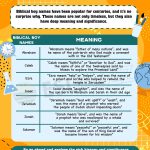
- Patriarchs and Founders: Names like Abraham (“Father of many nations”) convey leadership, trust, and a legacy of faith. Isaac (“Laughter”) brings joy and the promise of God’s faithfulness. Jacob (“Supplanter” or “Holder of the heel”), later renamed Israel (“Struggles with God”), speaks to perseverance and a wrestling with the divine.
- Prophets and Visionaries: These names carry a sense of divine communication and courage. Moses (“Drawn from water”) represents deliverance and monumental leadership. Elijah (“Yahweh is God”) is synonymous with powerful faith and confronting false idols. Daniel (“God is my judge”) embodies wisdom, integrity, and miraculous protection. Isaiah (“The Lord is salvation”) foretold Christ’s coming, offering a name rich with prophecy.
- Kings and Leaders: Names that signify strength, wisdom, and often, redemption. David (“Beloved”), Israel’s greatest king, is a foundational name for its association with a “man after God’s own heart” and an ancestor of Jesus. Solomon (“Peace”) reflects wisdom and prosperity. Josiah (“God supports”) speaks of spiritual reformation and godliness from a young age.
- New Testament Figures and Apostles: These names are particularly meaningful for their direct connection to Jesus and the early church.
- Jesus’s Inner Circle: Peter (“Rock”), originally Simon, was renamed by Jesus, symbolizing foundational strength and leadership. John (“God is gracious”) was the beloved disciple and author of the Gospel and Revelation. Andrew (“Manly, brave”) was the first disciple called, representing pure dedication. James (“Supplanter”), another of the inner circle, became an early church leader.
- Missionaries and Theologians: Paul (“Small, humble”), the greatest missionary, embodies transformative faith and dedication. His companions like Barnabas (“Son of encouragement”) represent generosity and solace, while Silas (“Man of the forest”) highlights faithfulness even in hardship.
- Unique Characters: Names like Caleb (“Faithful, wholehearted”) signify unwavering trust in God’s promises. Noah (“Rest, comfort”) brings associations of renewal and peace. Asher (“Happy, blessed”) promises joy and abundance.
Names from Christian History and Tradition
Beyond the biblical canon, Christian male names draw from the rich tapestry of church history, honoring saints, martyrs, and influential figures whose lives exemplified Christ-like virtues.
- Saints and Martyrs: These names often carry the weight of heroism and steadfast faith. Stephen (“Crown”) was the first Christian martyr, known for his forgiveness. Augustine (“Majestic, venerable”) was a towering theologian whose writings shaped Western Christianity. Francis (“Free man”) evokes humility, love for creation, and service to the poor. Christopher (“Christ-bearer”) represents service and protection.
- Early Church Leaders & Bishops: Names of foundational figures who helped establish Christianity. Ambrose (“Immortal”) was an influential bishop. Cornelius (“Horn, strength”) was the first Gentile convert to receive the Holy Spirit.
- Virtue and Attribute Names: Some Christian names directly reflect qualities desired for a child. Christian itself means “Follower of Christ.” Felix (“Happy, blessed, fortunate”) and Clement (“Gentle, merciful”) are examples of names embodying positive traits. Victor (“Conqueror”) suggests triumph in faith.
This diversity means you can find a name that not only sounds appealing but also carries a story or a virtue that deeply resonates with your family’s values. For a wider exploration of names rooted in scripture, consider our guide on Strong, meaningful Biblical names.
Crafting Your Son’s Legacy: Key Criteria for Selection
Choosing from the wealth of Christian male names requires careful consideration. Here’s a framework to guide your decision:
1. Dive Deep into Meaning and Story
This is where Christian names truly shine. Don’t just pick a name because it sounds good; explore its origin, its meaning, and the story of the individual who bore it.
- Example: Aaron. Beyond simply “exalted,” his story as Moses’s eloquent brother and the first high priest implies strong character, leadership, and the ability to balance power with grace. Do these qualities resonate with what you envision for your son?
- Example: Amos. Meaning “Burden bearer” or “Carried by God,” Amos was a prophet known for speaking boldly about justice. A child with this name might be seen as someone who advocates for others or carries a significant purpose, anticipating great things.
- Example: Asher. “Happy, blessed.” This name carries a promise of joy, abundance, and comfort, suitable for a child you hope will bring light and positivity.
Consider the narrative: Does the biblical figure or saint associated with the name represent qualities you admire and wish for your son? Names like Azriel (“Help from God”) or Raphael (“God heals”) carry the weight of divine assistance and restoration.
2. Consider Sound, Flow, and Practicality
While meaning is paramount, the sound and usability of a name are also crucial.
- Pronunciation and Spelling: Is the name easy to pronounce and spell? Some beautiful biblical names can be challenging for those unfamiliar with Hebrew or Greek origins.
- Flow with Surname: Say the full name aloud. Does it flow well? Are there any awkward rhymes or tongue-twisters?
- Nicknames: Consider potential nicknames. Do you like them? Will they be positive associations for your child? For instance, Samuel could be Sam, Benjamin could be Ben.
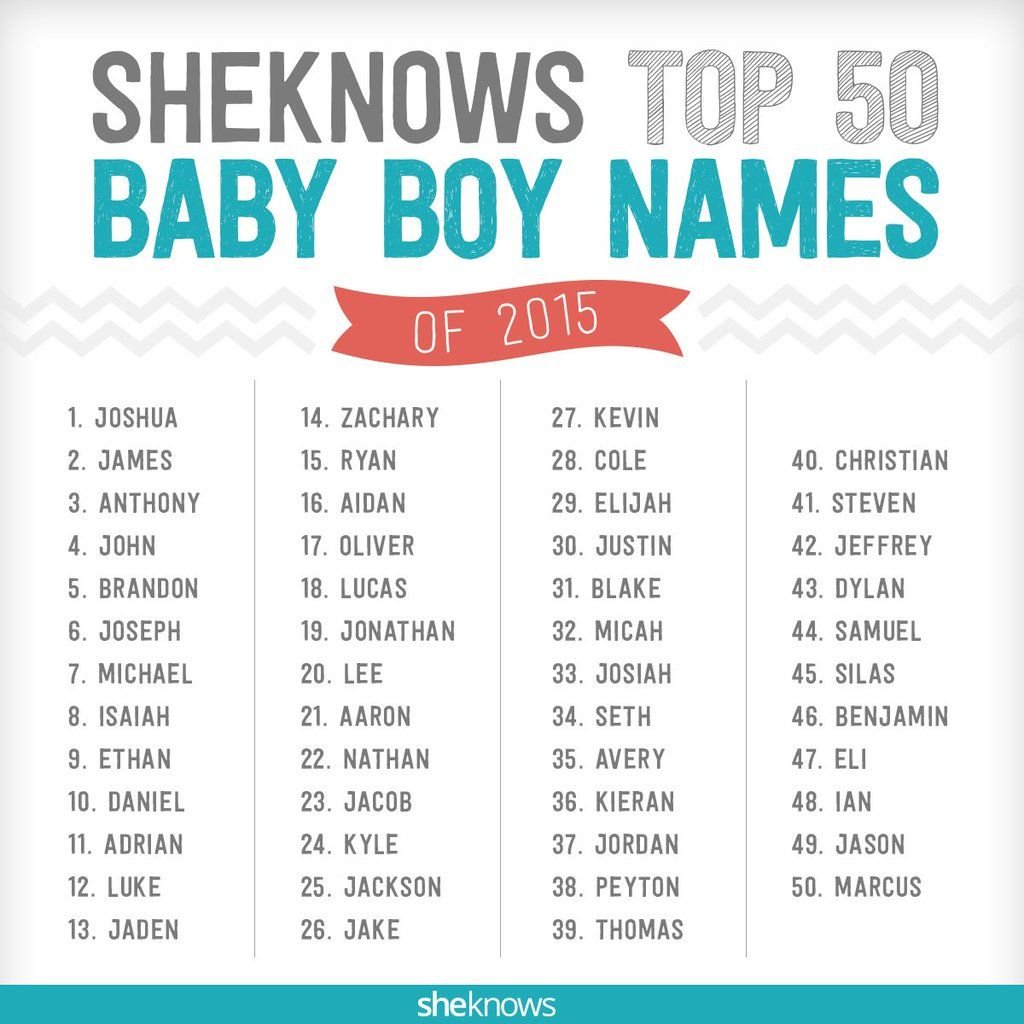
- Uniqueness vs. Familiarity: Do you prefer a well-known name like Michael or Matthew, or something more unique like Adriel (“Flock of God”) or Arnan (“Quick, joyful”)?
3. Reflect on Personal Connection and Family Heritage
Your family’s background often offers a rich source of inspiration.
- Family Names: Is there a revered Christian name in your family tree that you’d like to honor? This creates a beautiful link across generations.
- Cultural Significance: Some Christian names have different cultural spellings or pronunciations (e.g., John vs. Ivan vs. Giovanni). This can add a layer of personal and cultural heritage.
- Shared Faith Journey: Perhaps a particular biblical story or a saint’s life holds special meaning for you and your partner. Naming your son after that figure can be a constant reminder of your shared faith.
4. Think About Legacy and Role Models
A name is a powerful statement. What kind of role model do you want your son to associate with?
- Leaders and Mentors: Names like Joshua (“The Lord is salvation”), who led Israel into the Promised Land, signify courage and guidance. Timothy (“Honoring God”), Paul’s young protégé, represents mentorship and faithful service.
- Strength and Endurance: Ethan (“Strong, firm, enduring”) or Boaz (“Strength”) convey resilience. Anak, an ancestor of giants, implies strength of character and endurance.
- Humility and Devotion: Abel (“Breath, vapor”) signifies reverence and sacrifice, while Barnabas (“Son of encouragement”) is known for generosity and kindness.
Your Practical Playbook for Choosing a Christian Male Name
Making the final decision can feel overwhelming. Here’s a step-by-step approach to help you navigate the process:
- Brainstorm Initial Ideas: Start by listing any Christian male names you’ve always liked, heard, or encountered in scripture or church history. Don’t filter yet.
- Tip: Think about names tied to specific biblical virtues you admire (e.g., “strength” leads to Ethan, Boaz; “faith” leads to Caleb, Abraham).
- Research Meanings and Stories: For each name on your list, use resources like this article or a comprehensive biblical name dictionary.
- Action: Read the associated biblical passage or saint’s biography. Does the full story align with your hopes for your son? For example, while Ahab means “Father’s brother,” his story in the Bible is one of great wickedness. You might choose to avoid names with predominantly negative associations unless you have a specific, redemptive interpretation in mind.
- Consider Sound and Flow:
- Test: Say the first name, middle name (if applicable), and last name together, both formally and informally.
- Listen: How does it sound when called out loud?
- Nickname Potential: What are the natural nicknames, and do you like them? For Benjamin, “Ben” is common and friendly.
- Evaluate Uniqueness vs. Popularity:
- Reflect: Do you want a classic, popular name (e.g., Noah, James), or something more distinctive (e.g., Artemas, Adriel)? There’s no right or wrong answer, only what feels right for your family. A unique name like Bohan (“Victorious”) carries a strong, distinctive sound and meaning for a leader.
- Get Family Input (Wisely): Share your top contenders with trusted family and friends for feedback.
- Caveat: Be prepared for differing opinions and filter them carefully. Ultimately, this is your decision as parents.
- “Live With” the Name: For a few days or weeks, try referring to your baby by the chosen name.
- Observe: How does it feel? Does it grow on you, or do you start to have doubts? This “test drive” can be surprisingly illuminating.
Quick Answers: Common Questions About Christian Male Names
Q: Are all biblical names considered “Christian male names”?
A: Broadly, yes. Most names found in the Old and New Testaments are considered Christian names due to their sacred origins within Christian tradition. However, some names might have more common usage in Jewish tradition (e.g., some Hebrew names that predate Christianity) or have evolved into secular use. For Christian parents, biblical names are a direct link to their faith heritage.
Q: What if I like a biblical name with a negative association, like Cain or Ahab?
A: This is a nuanced decision. While names like Cain (“Acquired”) and Ahab (“Father’s brother”) have strong negative biblical stories, some parents might choose them for the sound or a desire to reclaim the name without the negative connotation. However, be aware that the historical baggage is significant and may lead to questions or judgments. Most parents opt for names with overwhelmingly positive or neutral biblical associations to avoid this complexity.
Q: Is it okay to choose a less common Christian name?
A: Absolutely! Choosing a less common name from scripture or church history can give your son a unique identity while still grounding him in faith. Names like Amaziah (“The Lord is mighty”), Epaphras (“Lovely”), or Obadiah (“Servant of the Lord”) are rich with meaning and history but are less frequently heard, allowing your son’s name to stand out. This can also spark conversations about the name’s powerful story.
Q: How can I balance tradition with my desire for a unique name?
A: Many ways! You could use a traditional first name with a unique middle name, or vice-versa. You might also choose a less common biblical name, or a traditional name with a unique spelling (though this can sometimes lead to confusion). Another approach is to pick a name from a lesser-known biblical figure or an early saint whose story resonates deeply with you but isn’t as widely recognized. For example, Adriel or Arnan offer uniqueness with strong biblical roots.
Q: Should I consider the meaning of my son’s initials?
A: While not a deal-breaker for everyone, it’s a good practice to check if the initials form any undesirable words or phrases. On the flip side, meaningful initials can be a lovely bonus. For instance, “J.O.Y.” for John Oliver Young. This is a small but practical detail in the overall naming process.
Your Son’s Enduring Legacy
Choosing a name is a significant journey, and when you opt for Christian male names, you’re investing in more than just aesthetics. You’re selecting a spiritual compass, a story, and a set of virtues that can guide and inspire your son throughout his life. Whether you gravitate towards the profound leadership of a David, the unwavering faith of a Caleb, or the quiet strength of an Enoch, each Christian name carries an enduring meaning.
Take your time, delve into the stories, and let your faith guide you. The name you choose will be a constant reminder of the blessings and purpose you wish for your child, a beautiful beginning to his own unique story.

- Choose Christian Male Names with Enduring Biblical Meaning - November 22, 2026
- Biblical B Names Offer Timeless Choices for Your Baby Boy - November 21, 2026
- Rare Biblical Names Offer Unique Identity and Deep Spiritual Meaning - November 20, 2026