Choosing a name for your son is a profound act, a declaration of hopes and aspirations that will resonate through his life. For many families, exploring biblical male names offers a unique opportunity to bestow not just a label, but a legacy of strength, faith, and timeless meaning. These names, steeped in millennia of history, carry stories of triumph, perseverance, and divine connection, offering a deep well of inspiration for your son’s identity.
At a Glance: Crafting a Meaningful Name Choice
- Beyond Sound: Understand that biblical names carry inherent stories and virtues that shape their meaning.
- Values First: Align name choices with the core traits and spiritual values you wish to impart to your son.
- Narrative Power: Delve into the lives and characters associated with names to grasp their full significance.
- Balance & Flow: Consider the name’s sound, length, and compatibility with your family name.
- Connotation Check: Be mindful that some biblical names, despite interesting meanings, carry complex or challenging associations.
- Modern Appeal: Explore both classic and rarer biblical options to find a name that feels right for today.
More Than a Moniker: The Enduring Legacy of Biblical Names
In a world saturated with fleeting trends, biblical names stand as steadfast anchors, connecting your child to a rich heritage of faith and character. These aren’t just ancient sounds; they are echoes of prophets, kings, and ordinary people whose lives forged destinies and inspired generations. When you choose a biblical name, you’re not merely selecting a pretty word; you’re inviting a narrative, a set of virtues, and a spiritual lineage to intertwine with your son’s identity.
The power of these names lies in their inherent stories. A name like David isn’t just “Beloved”; it evokes the shepherd boy who became king, a psalmist, a warrior, and a man after God’s own heart, albeit with his own human failings. Choosing David suggests a hope for a son who is brave, devoted, and capable of great love and leadership. Similarly, Moses, meaning “Drawn out,” speaks to deliverance, leadership through immense challenge, and profound connection with the divine. These narratives lend an unparalleled depth to your selection.
Decoding Meaning: Names as Character Compass
Every biblical name, even the seemingly simple ones, holds a specific meaning that can serve as a guiding principle. Understanding these meanings is the first step in aligning a name with the hopes you have for your child.
For instance, consider names that speak directly to divine assistance or protection:
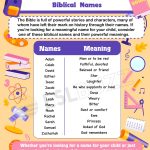
- Gabriel (God is my strength): A powerful name associated with divine messages and fortitude.
- Eleazar (God has helped): A name that quietly acknowledges divine support and intervention.
- Azariah (Helped by God): Echoes the steadfastness of those who find strength in faith.
- Eliezer (God is my help): A classic choice reflecting a reliance on higher power.
- Ezra (Help): A concise name symbolizing assistance and divine aid.
- Lazarus (God has helped): A name linked to miraculous restoration and hope.
- Nehemiah (Comforted by God): Suggests leadership, resilience, and spiritual comfort.
Other names reflect qualities of character or a specific role: - Aaron (Exalted; strong mountain): Implies eloquence, leadership, and strength of character, referencing the first high priest.
- Caleb (Wholehearted; faithful; devoted): A man of courage, known for steadfast faith and loyalty.
- Daniel (God is my judge): Steady, wise, and guided by prayer and conviction.
- Gideon (Mighty warrior): A leader known for his trust in God’s guidance and strength in battle.
- Samuel (Heard by God): Signifies a faithful servant whose prayers shaped a nation.
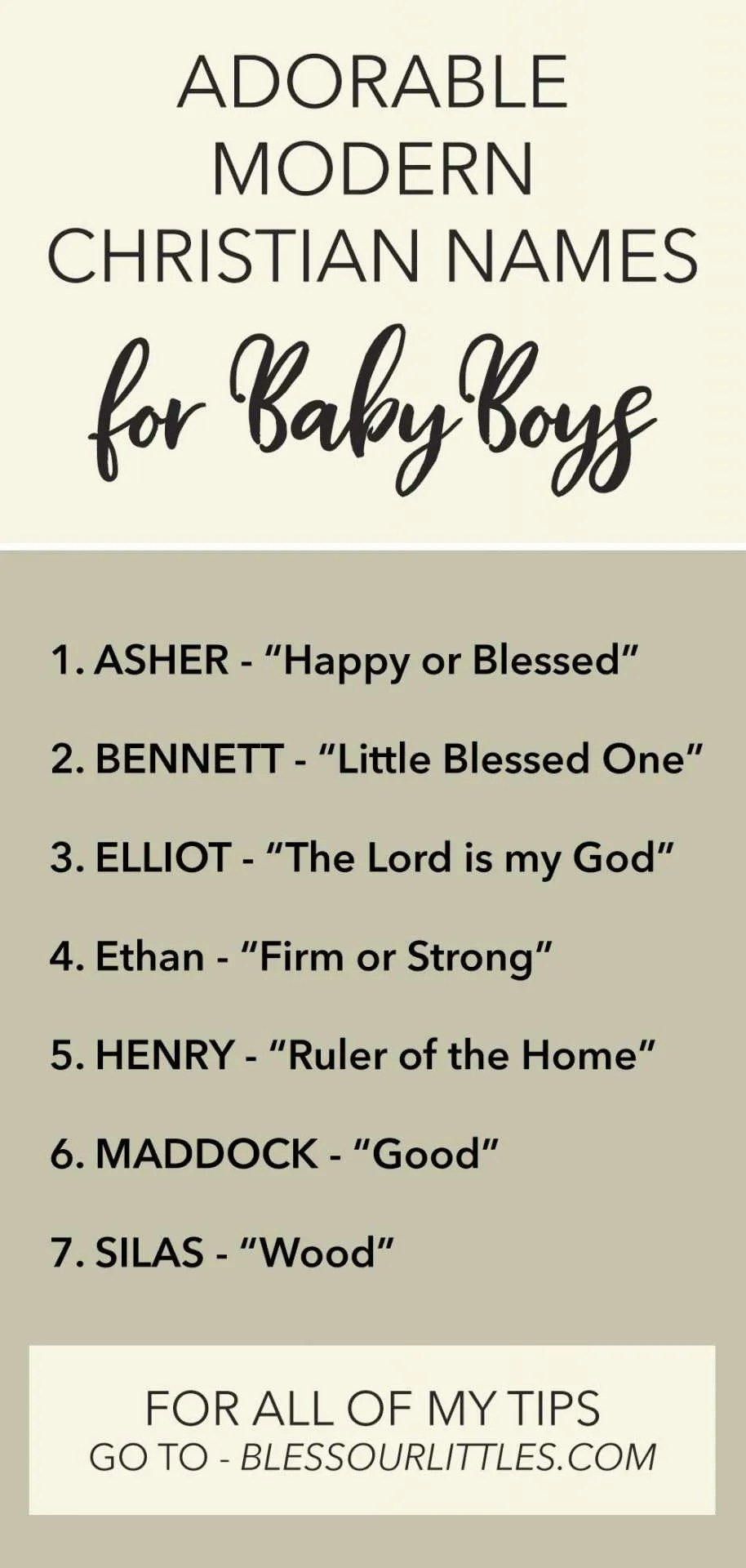
- Asher (Happy; blessed): Promises a life of blessings and joy, fostering a positive outlook.
- Boaz (Swiftness; strength): Known for integrity, kindness, and steadfast devotion.
- Artemas (Paul’s companion, mentioned in a letter to Titus): Associated with responsibility, dependability, reliability, companionship, and a down-to-earth approach.
When selecting, consider which of these inherent meanings resonates most deeply with your vision for your son. Is it strength, wisdom, joy, or a sense of divine purpose? The names offer a rich tapestry of options.
Archetypes of Virtue: Matching Names to Aspirations
Beyond direct meanings, many biblical names are strongly linked to character archetypes. Thinking about what kind of virtues you wish to foster can narrow your search significantly.
Names Evoking Leadership and Strength
These names carry the weight of command, resilience, and the ability to guide others. They suit parents who envision their son as a strong, ethical, and influential figure.
- Abraham (Father of many): A foundational patriarch, symbolizing ethics, trust, strength, leadership, and humility. Its shorter variant, Abram (Exalted father), offers a classic yet distinct feel.
- Joshua (The Lord saves): A strong and faithful leader who trusted God’s promise and led his people into the promised land.
- Andrew (Manly; brave): A popular New Testament name, signifying pure dedication, strength, commitment, and leadership.
- Augustus (Mentioned in the Bible as a ruler): Represents strong leaders focused on ethics, family ties, and success, transforming a republic into an empire.
- Benjamin (Son of the right hand): Founded one of the twelve tribes, known for being ravenous and ferocious in battle, embodying focus, confidence, and power.
- Barak (Lightning): Associated with humility, strength, boldness, and fearlessness, renowned for achieving victory.
- Othniel (Lion of God; strength of God): A steady, resolute name filled with trust and purpose.
Names Reflecting Wisdom and Prophecy
If wisdom, foresight, and a profound connection to spiritual insight are important, these names offer a fitting choice.
- Amos (Carried by God): A prophet associated with wisdom and foresight.
- Elijah (My God is Yahweh): A devoted prophet whose belief never wavered, a figure of powerful conviction.
- Ezekiel (God strengthens): A name of vision, wisdom, and quiet resilience, for a prophet who saw divine plans unfold.
- Hezekiah (God gives strength): Wise, faithful, and trusting in divine guidance, a king who reformed worship.
- Malachi (My messenger): Faithful, purposeful, bringing words of hope and truth. The modern twist, Malakai, offers a vibrant contemporary feel.
Names of Peace and Comfort
For parents hoping for a calm, compassionate, and reassuring presence, these names embody serenity and solace.
- Noah (Rest): A timeless name, bringing to mind peace, new beginnings, and faithful obedience.
- Barnabas (Son of encouragement): Renamed for his compassion and generosity, representing a source of solace and kindness.
- Baruch (Blessed): Peaceful and grateful, a name promising contentment.
- Jonah (Dove): Peaceful, compassionate, embodying calm faith despite life’s storms.
- Nahum (Comfort): Gentle, reassuring, filled with calm conviction.
- Noam (Pleasantness): Soft, warm, bringing peace and comfort.
- Shiloh (Tranquil): A distinctive and peaceful choice.
Names of Enduring Faith and Devotion
These names speak to unwavering belief, patience through trials, and deep spiritual commitment.
- Job (Persecuted): A story of endurance, patience, and unshakable faith through immense suffering.
- Isaac (Laughter): A joyful reminder of faith fulfilled and promises kept, born in miraculous circumstances.
- Obadiah (Servant of God): Humble in spirit and devoted in purpose, often associated with prayer and service.
- Joel (The Lord is God): Calm, centered, a reflection of spiritual strength and prophetic insight.
- Caleb (Wholehearted; faithful; devoted): A man who fully followed God.
- Paul (Small; humble): Steadfast, enduring, remembered for profound devotion and transformative teaching.
- Peter (Rock): Strong, steady, standing firm in belief as the foundation of the early church.
For a broader exploration of these categories and a full roster of options, you can Discover powerful Biblical names that speak to specific virtues and historical figures.
The Practical Playbook: Choosing Your Son’s Biblical Name
Selecting a name is a deeply personal journey. Here’s a step-by-step approach to help you navigate the options and make a confident choice:
Step 1: Define Your Core Values and Intentions
Before diving into lists, reflect on the primary qualities you hope to instill in your son.
- Do you prioritize strength and leadership (e.g., Augustus, Gideon, Benjamin)?
- Is wisdom and integrity your focus (e.g., Daniel, Hezekiah, Amos)?
- Perhaps peace and compassion resonate most (e.g., Noah, Barnabas, Jonah)?
- Or do you lean towards devotion and faith (e.g., Samuel, Caleb, Paul)?
Write these down. This clarity will act as your filter.
Step 2: Immerse Yourself in the Narratives
Don’t just look at meanings; read the stories behind the names. A name like Jeremiah (Appointed by God) gains depth when you understand his role as a prophet of truth and compassion, enduring much for his message. Joseph (God will increase) is not just a meaning, but a saga of dreams, betrayal, forgiveness, and perseverance. These narratives provide rich context and can solidify your connection to a name.
Case Snippet: A couple loved the sound of “Achan.” However, upon researching his story (meaning “Trouble,” he brought disaster upon Israel through disobedience), they decided against it, realizing the narrative didn’t align with their hopes for their son. Instead, they chose Asher (Happy; blessed), which perfectly captured their desire for joy and abundance.
Step 3: Assess Familiarity vs. Uniqueness
Biblical names span a wide spectrum of popularity.
- Timeless Classics: Names like Adam, Noah, Joseph, John, Matthew, David are universally recognized and carry inherent respect. They offer familiarity and ease.
- Well-Known, But Less Common: Elijah, Daniel, Samuel, Caleb, Gabriel are popular but still feel distinctive.
- Unique and Evocative: Names like Othniel, Bezalel (In the shadow of God; artistic, tied to divine creativity), Ibzan (Splendid), Omri (Sheaf of grain), Lior (My light), Arnan (joy, happiness, and energy) offer depth and individuality without being obscure.
Consider your preference: Do you want a name that blends in or one that stands out?
Step 4: Perform the “Sound Check” and Flow Test
Say the full name aloud: first, middle (if applicable), and last name.
- Does it flow well? Avoid awkward rhymes or repetitive sounds.
- How does it sound when called out?
- Consider nicknames. Daniel naturally leads to Dan, Samuel to Sam, Jonathan to Jon. Does the natural nickname appeal to you?
- Think about length. A longer first name might pair well with a shorter last name, and vice-versa.
Step 5: Conduct the Connotation Review
While most biblical names are associated with positive figures or meanings, a few carry more complex or even negative connotations.
- Achan (Trouble): His story involves disobedience and punishment.
- Cain (Acquired): The first murderer, despite the name’s simple meaning.
- Absalom (Father of peace): Ironically known for his rebellion against his father, King David.
- Judas (Praise): Historically associated with betrayal.
Always research the character behind the name thoroughly to ensure it aligns with the positive aspirations you hold for your son. If the story is too problematic, even if the meaning is appealing, it might be best to choose another.
Quick Answers: Addressing Common Questions
Q: Are all biblical male names inherently positive?
A: Not all. While most evoke strength, faith, or positive virtues, some biblical figures, like Achan (Trouble) or Cain (Acquired, but known for murder), have complex or negative stories. It’s crucial to research the narrative behind the name to ensure it aligns with your intentions.
Q: How can I find unique biblical names beyond the usual classics?
A: Explore names from lesser-known books of the Bible, or names of minor characters that still carry powerful meanings. Look at names like Bezalel (In the shadow of God, signifying divine creativity), Othniel (Lion of God), Ibzan (Splendid), Omri (Sheaf of grain), Jehoash (The Lord has given), Artemas (dependability), or Talmai (Plowman). Many of these offer a rich history without common usage.
Q: Is there a difference in choosing a name from the Old Testament versus the New Testament?
A: Both testaments offer a wealth of meaningful names. Old Testament names often have deeply rooted, foundational meanings tied to the beginnings of faith and the lineage of Israel (e.g., Abraham, Noah, Moses, David). New Testament names often reflect the early spread of Christianity and the lives of disciples (e.g., Andrew, Stephen, Barnabas, Paul). The choice often comes down to personal preference and which stories resonate most with you.
Q: What if I love a name’s meaning but am concerned about its biblical figure’s story?
A: This is a common dilemma. Sometimes the meaning can be separated from the actions of the biblical character (e.g., Absalom means “Father of peace” but is remembered for rebellion). However, if the negative association is strong and widely known (like Cain or Judas), it might be difficult for your son to shake those connotations. For less notorious figures, you might focus on the initial meaning or a positive aspect of their story. Trust your gut feeling on how your child might carry the name.
Q: Are modern variations of biblical names acceptable, like Malakai instead of Malachi?
A: Absolutely. Modern spellings or pronunciations (like Malakai for Malachi, or Eli as a standalone instead of a nickname for Elias) are widely accepted and can offer a fresh twist while retaining the original name’s meaning and heritage. The key is to choose a variation that you love and that flows well.
Your Son’s Legacy: A Confident Choice
Choosing a name is one of the most significant decisions you’ll make for your son. By delving into the rich tapestry of biblical male names, you’re not just picking a sound; you’re selecting a story, a set of virtues, and a connection to a heritage of strength and meaning. Approach this journey with intention, exploring the narratives, understanding the meanings, and envisioning the man your son will become. The perfect name is waiting to be discovered, a testament to your hopes and a foundation for his future.

- Biblical Male Names for Boys with Strength and Meaning - October 31, 2026
- Bible Names For Boys Offer Timeless Meanings For Todays Sons - October 30, 2026
- Timeless Bible Names Provide Strong Meaning for Boys - October 29, 2026