Choosing a name for your son is one of the most profound decisions you’ll make, a choice that reverberates through a lifetime. For many parents, the quest for a name that embodies strength, character, and enduring significance leads directly to Scripture. Bible names for boys offer far more than just a historical reference; they provide a rich tapestry of meaning, heritage, and timeless virtues that resonate deeply in today’s world.
These names carry spiritual weight, connecting a child to generations of faith, courage, and wisdom. They are rooted in stories of prophets, kings, and leaders whose lives, both triumphant and challenging, continue to inspire. Opting for a biblical name for your son is to choose a legacy—a constant, gentle reminder of foundational values and a hope for the character traits they might embody.
At a Glance: What You’ll Discover
- Profound Meanings: How biblical names transcend sound to convey deep spiritual and character-driven significance.
- Popularity Trends: Understanding the enduring appeal of classic biblical names and the rise of unique options.
- Old vs. New Testament: Distinguishing between different biblical origins and their contemporary use.
- Practical Selection Guide: A step-by-step approach to choosing the perfect biblical name for your son.
- Nickname Potential: Exploring how biblical names offer versatility and endearing short forms.
- Common Questions Answered: Navigating concerns about tradition, uniqueness, and character associations.
The Enduring Power of Names from Scripture
For centuries, parents have turned to the Bible for inspiration when naming their children. These names aren’t merely ancient relics; they are living testaments to enduring stories and profound concepts. Associated with figures central to God’s narrative—from steadfast patriarchs to courageous disciples—biblical names often encapsulate a person’s character, the circumstances of their birth, or even God’s divine purpose. Names like David, Daniel, Samuel, Matthew, and Paul have resonated through generations precisely because of the powerful individuals and significant meanings they represent. Today, we’re seeing a vibrant renaissance, as modern families seek names that offer both a classic feel and a deep, meaningful foundation for their sons.
Beyond the Sound: Decoding the Meanings Behind Bible Names for Boys
The true magic of biblical names lies in their inherent meanings. Unlike many modern names chosen primarily for their aesthetic appeal, biblical names carry a narrative weight. They often serve as a concise prayer or a prophetic declaration over a child’s life, echoing virtues and hopes.
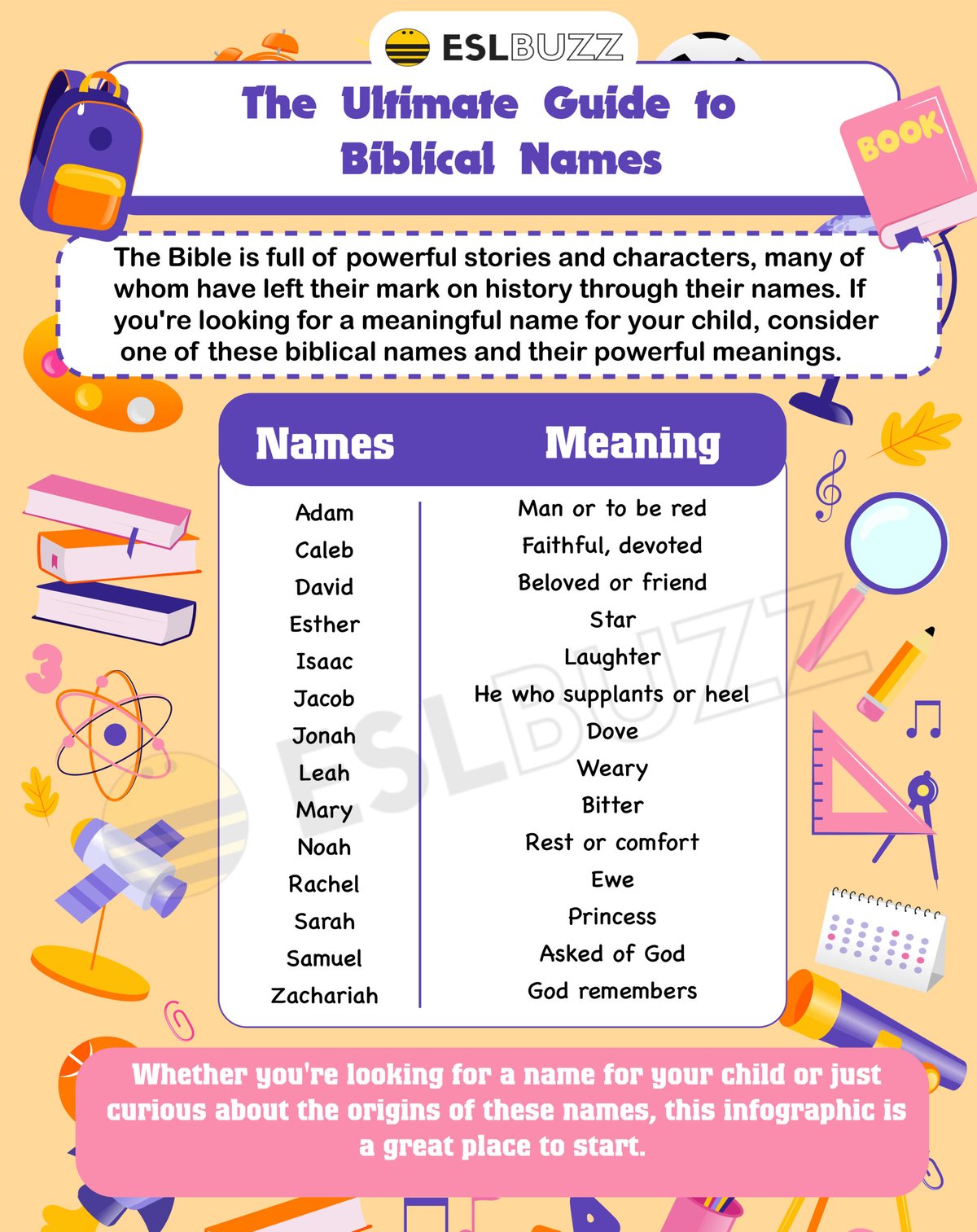
Consider the name David, meaning “Beloved.” It invokes not only the legendary king of Israel but also the idea of being cherished and loved. Or Daniel, meaning “God is my judge,” which speaks to integrity and divine wisdom. Choosing such a name is an invitation for your son to reflect on these qualities and perhaps even grow into them. A boy named Isaac, meaning “Laughter,” might be a source of joy, just as Abraham’s son brought mirth to his aged parents. Similarly, Gabriel, “God is my strength,” could be a constant reminder of divine support and inner resilience. These aren’t just labels; they are foundational statements of identity and aspiration.
Navigating the Landscape: Popular, Rising, and Rare Bible Names for Boys
The spectrum of biblical names available for boys is vast, extending far beyond the immediately recognizable. With over 300 unique biblical boy names in existence, they can be broadly categorized by their current popularity and usage, offering options for every preference.
The Enduring Popularity of Classic Biblical Names
Some biblical names have achieved such widespread adoption that their origins are almost taken for granted, becoming timeless staples in American and global naming conventions. James, Michael, and Joseph, for instance, consistently rank among the most-used male names throughout history in the US. Names like Jacob and Noah dominated the top spot for nearly two decades, illustrating their enduring appeal. Today’s US Top 25 continues to feature a strong biblical presence, including names like Benjamin, Elijah, Ethan, Samuel, David, Asher, and of course, Noah and Jacob. These names offer familiarity, widespread acceptance, and a sturdy, honorable feel.
Spotting the Up-and-Comers: Rising Stars
Beyond the perpetual favorites, a new wave of biblical names is steadily gaining visibility, appealing to parents who desire a name with solid roots but a fresher sound. Names like Asher, meaning “happy” or “blessed,” have soared in popularity, reflecting a desire for positive, affirming meanings. Ezra, meaning “help” or “helper,” and Felix, meaning “happy” or “fortunate,” are also seeing a resurgence in the US, UK, and Australia. New Testament names such as Silas, Jude, Titus, and Luke are also increasingly chosen, offering a blend of ancient wisdom and modern charm. These rising stars provide a sweet spot: familiar enough to be recognizable, but distinct enough to stand out.
Unearthing Hidden Gems: Unique and Meaningful Options
For those seeking truly distinctive names with rich stories, the Bible offers a treasure trove of lesser-known but equally profound choices. While you might not encounter a Boaz (“strength”) or an Azariah (“The Lord has helped”) in every playgroup, these names carry significant weight and provide a unique identity. Names like Lazarus (“God has helped”), Phineas (“mouth of a serpent” or “oracle”), or Rufus (“red”) are uncommon but steeped in history and meaning. Exploring these unique options requires a bit more research into their biblical context to ensure the associated character and story align with your hopes for your son, though often the inherent meaning of the name itself is the primary draw.
Old Testament vs. New Testament: A Naming Perspective
The Bible is broadly divided into the Old Testament and the New Testament, and this distinction can sometimes influence naming choices. For many Jewish families, the focus for biblical names naturally rests on the Old Testament, honoring the patriarchs, prophets, and kings of ancient Israel. Names like Abraham, Moses, Micah, Jonah, Abel, Adam, Zachary, and Samuel are experiencing a revival, valued for their historical depth and connection to covenant.
Christian parents, however, often draw from both testaments, embracing figures from both covenants. While many Old Testament names are beloved by Christians too, New Testament names like Silas, Jude, Titus, and Luke also enjoy significant popularity, reflecting the lives and ministries of early apostles and figures in the nascent church. The choice often comes down to personal resonance with the stories and meanings from either portion of Scripture.
Choosing Wisely: A Practical Guide for Your Son’s Name
Selecting the perfect bible name for boys requires thoughtful consideration, blending personal preference with the rich heritage these names offer. Here’s a practical framework to guide your decision:
Step 1: Reflect on Values and Legacy
Begin by considering the virtues or character traits you hope your son embodies. Are you drawn to faith, courage, wisdom, strength, or joy? Many biblical names directly translate to or are strongly associated with these qualities. For example, if you desire courage, a name like Caleb (“whole-hearted, faithful”) or Gideon (“mighty warrior”) might appeal. If wisdom is your aim, Daniel or Solomon (“peace”) could be fitting. This initial reflection helps narrow down the vast selection.
Step 2: Explore Meanings and Stories
Don’t just pick a name based on its sound; delve into its meaning and the story of the biblical figure who bore it. Understanding the context can deepen your appreciation and connection to the name. Sometimes, a name with a beautiful sound might have a less desirable biblical association (e.g., Korah, who led a rebellion). Conversely, a less common name might reveal a powerful, inspiring narrative. For an extensive list of over 100 biblical names for boys, complete with their profound meanings and scriptural origins, you can dive into our comprehensive guide, Strong Biblical Boy Names.
Step 3: Consider Sound and Flow
Once you have a few meaningful options, say them aloud. How do they sound with your last name? Does it flow well? Consider potential middle names too. A strong biblical first name might pair beautifully with a family surname or another name that holds personal significance. Read the full name combination to ensure it feels right.
Step 4: Think About Nicknames
Many biblical names lend themselves naturally to endearing nicknames, offering flexibility as your son grows. Daniel can become Dan, Samuel can be Sam, Benjamin often shortens to Ben, and Jonathan to Jon. This versatility can soften a traditionally strong name, providing options for both formal and informal settings. Anticipating these potential nicknames can help you choose a name that offers both gravitas and approachability.
Step 5: Test It Out
Live with your top choices for a few days. Say the name aloud frequently. Imagine calling your son by that name across a playground, or introducing him as an adult. Write it down, see how it looks. This “test drive” can often clarify which name feels most authentic and suitable for your future son.
Practical Playbook: Crafting Your Top Candidates
Making the final decision can be exhilarating. Here are some actionable tips to refine your shortlist:
- Create a Pros and Cons List: For your top 3-5 names, list what you love and any minor reservations. This can provide clarity, especially when weighing meaning against sound or popularity.
- The “Family Tree” Check: Discreetly check with close family members if any chosen names carry unexpected negative associations or, conversely, if there are cherished family names that could be honored as a middle name. This avoids future surprises.
- International Appeal: Many biblical names are globally recognized and pronounced similarly across cultures. If your family has international ties or aspirations, names like Noah, Jacob, Thomas (popular in the UK), Paul, Elias (Germany), or Gabriel, Adam (France) offer universal appeal, an unexpected bonus for the modern global citizen.
Quick Answers: Addressing Common Naming Queries
Parents often have specific questions or concerns when considering biblical names. Here are some common ones:
“Are biblical names too traditional or old-fashioned for a modern child?”
Not at all. While many are ancient, their timeless meanings and strong associations mean they never truly go out of style. Many traditional biblical names are currently experiencing a resurgence, blending classic elegance with contemporary appeal. Think of names like Noah or Elijah, which feel both classic and perfectly modern.
“What if I love a biblical name, but its character in the Bible isn’t perfect?”
This is a common concern. Remember that few biblical figures are portrayed as flawless. When choosing, you can focus on the name’s inherent meaning or a specific positive aspect of the character’s story that resonates with you. The name itself often carries a powerful meaning independent of every detail of its biblical bearer’s narrative. For example, “Adam” simply means “man” or “formed from the earth,” carrying a universal significance beyond the first man’s specific choices.
“Can biblical names feel too serious for a child?”
While many biblical names convey strength and gravitas, they rarely feel overly serious for a child. The very act of choosing a name with deep meaning imbues it with purpose, not solemnity. Furthermore, the abundance of natural nicknames (e.g., Ben for Benjamin, Sam for Samuel) provides lighter, more playful options that grow with your child.
“Are there any biblical names that work for both boys and girls?”
Historically, most biblical names are distinctly gendered. While cultural trends can shift (e.g., James has seen some use for girls in modern contexts), traditional biblical names for boys are overwhelmingly masculine. If you’re looking for truly gender-neutral options, you might need to look beyond strictly biblical categories, or explore names with very broad, abstract meanings.
A Legacy of Meaning
Choosing a bible name for boys is more than just selecting a label; it’s an intentional act of imbuing your son with a heritage of strength, faith, and meaning. These names carry echoes of profound stories and timeless values, offering a unique opportunity to shape character and inspire a spiritual legacy. By thoughtfully exploring their meanings, considering their historical context, and imagining their fit in your family, you can find a name that will not only sound wonderful but also serve as a lifelong source of inspiration for your son.

- Biblical Male Names for Boys with Strength and Meaning - October 31, 2026
- Bible Names For Boys Offer Timeless Meanings For Todays Sons - October 30, 2026
- Timeless Bible Names Provide Strong Meaning for Boys - October 29, 2026