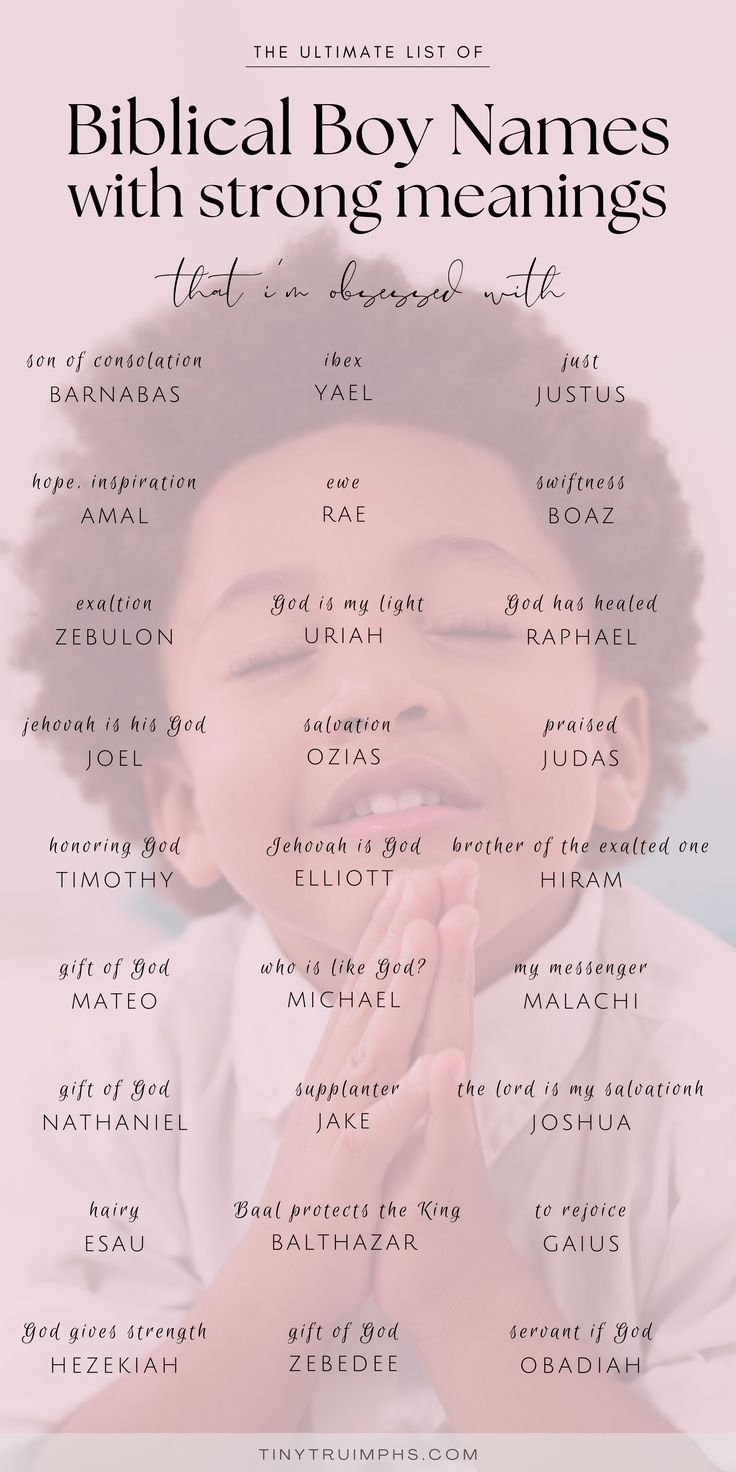
Choosing a name for your son is a profound act, imbuing him with identity, history, and often, a whisper of the man he might become. When parents seek names that convey deep spiritual significance and enduring character, masculine bible names often stand out. These aren’t just ancient labels; they are testaments to faith, courage, wisdom, and leadership, offering a powerful legacy for the next generation. It’s about more than just a sound; it’s about the story, the strength, and the heritage woven into every syllable.
At a Glance: Crafting a Legacy with Biblical Masculine Names
- Uncover Profound Meanings: Dive beyond surface appeal to understand the historical and spiritual significance of each name.
- Match Name to Character: Select names whose associated biblical figures or meanings resonate with the virtues you value most.
- Explore Beyond the Familiar: Discover lesser-known names offering unique strength and heritage.
- Consider Sound & Flow: Evaluate how biblical names harmonize with your last name and modern sensibilities.
- Embrace Enduring Qualities: Choose names that embody timeless traits like leadership, faith, resilience, and wisdom.
More Than a Moniker: The Enduring Appeal of Masculine Bible Names
Biblical names carry a weight that few others can match. They aren’t trends; they are cornerstones, connecting a child to millennia of history, faith, and narratives of individuals who faced monumental challenges with unwavering spirit. For parents looking to give their son a name that’s both powerful and purposeful, exploring masculine names from the Bible offers an unparalleled opportunity to bestow a profound identity.
These names are often derived from Hebrew, Greek, or Aramaic, each telling a story through its etymology. A name like “Daniel,” meaning “God is my judge,” isn’t just a label; it’s a constant reminder of integrity and divine guidance. “Gabriel,” meaning “God is my strength,” speaks volumes about faith and inner fortitude. This isn’t just about picking a nice-sounding name; it’s about planting a seed of identity rooted in a rich spiritual and historical soil.
For a comprehensive look at the wider world of biblical names for boys, explore our guide: Strong Biblical Names for Boys. It delves into the broader landscape, while here, we’ll focus specifically on those names that exude a distinct masculine strength and presence, whether through their meaning, the actions of their biblical namesake, or their sheer historical gravitas.
Archetypes of Strength: Categorizing Masculine Bible Names
When we think of “masculine” qualities, a spectrum of virtues comes to mind: courage, leadership, wisdom, resilience, and faith. The Bible is rich with figures who embody these traits, and their names reflect these powerful attributes. Let’s explore some of these archetypes and the masculine bible names associated with them.
Leaders and Visionaries
These names belong to men who guided nations, led people through adversity, or founded significant legacies. They represent authority, strategic thinking, and the ability to inspire.
- Abraham: Meaning “Father of many nations.” A foundational patriarch, known for his faith and obedience. This name implies ethics, trust, strength, and humility, perfectly suited for a natural leader who connects generations.
- Moses: Meaning “Drawn out (of the water).” The deliverer of Israel, a monumental figure of leadership and divine communication. A strong name symbolizing freedom and guidance.
- David: Meaning “Beloved.” The shepherd king, a warrior, poet, and “man after God’s own heart.” David represents courage, artistry, and an enduring legacy, making it a classic choice.
- Josiah: Meaning “Fire of the Lord.” A righteous young king who reformed Judah and brought the nation back to God’s law. A name signifying spiritual leadership and devotion.
- Augustus: Mentioned in the Bible, he ruled for 45 successful years. A name for strong, ethical leaders who achieve greatness and maintain strong family ties.
- Nehemiah: Meaning “Comforted by God.” Led the rebuilding of Jerusalem’s walls after exile. A name that speaks to resilience, vision, and practical leadership in the face of daunting tasks.
- Boaz: Meaning “Strength.” A righteous and wealthy landowner who married Ruth, becoming an ancestor of King David. This name represents integrity, protection, and quiet strength.
Warriors and Protectors
For parents seeking names that evoke courage, might, and a protective spirit, the Bible offers powerful examples of men who stood firm in battle or defended the vulnerable.
- Caleb: Meaning “Whole-hearted, faithful.” One of the twelve spies sent to Canaan, Caleb stood firm in his trust in God. This name embodies unwavering loyalty, courage, and determination.
- Gideon: Meaning “Hewer, mighty warrior.” Delivered Israel from Midianite oppression with a small army, demonstrating faith and strategic prowess. A name for a boy destined for mighty things.
- Benjamin: Meaning “Son of the right hand.” The youngest son of Jacob, whose tribe was known for being fierce in battle. Represents focus, confidence, and powerful resolve.
- Benaiah: Meaning “Built by God.” One of King David’s mighty warriors, known for exceptional courage and loyalty. A unique option that speaks to divine strength and steadfastness.
- Othniel: Meaning “God’s lion.” The first judge of Israel, delivering them from oppression. A powerful, less common name signifying divine strength and fierce protection.
- Anak: An Old Testament name denoting strength of character, power, and endurance. While associated with giants, its core meaning can inspire a sense of formidable presence and leadership.
Prophets and Sages
These names are for boys who might embody wisdom, foresight, and a deep connection to spiritual truth. They represent intellectual and spiritual strength, often speaking truth to power.
- Daniel: Meaning “God is my judge.” A prophet known for his wisdom, integrity, and faithfulness even in exile. A perennially popular choice, symbolizing discernment and unwavering faith.
- Elijah: Meaning “My God is Yahweh.” A fiery prophet who defended God’s truth against idolatry. This name carries an air of passionate conviction and divine power.
- Isaiah: Meaning “Salvation of the Lord.” A major prophet known for his profound prophecies about God’s holiness and the coming Messiah. A name suggesting profound insight and divine purpose.
- Amos: Meaning “Burden” or “Carried by God.” A prophet who spoke boldly against social injustice. Chosen for wisdom, foresight, and anticipating great things, indicating someone who carries a significant message.
- Enoch: Meaning “Dedicated” or “Initiated.” Walked faithfully with God and was taken to heaven without dying. This name speaks to a unique spiritual path and deep devotion.
Faithful and Resilient Servants
These names denote steadfastness, humility, and the quiet strength of perseverance—men who served God’s purpose through challenging circumstances, demonstrating loyalty and grace.
- Aaron: Meaning “Exalted” or “Strong.” The first high priest of Israel, known for eloquence and leadership. Represents a balance of power and softness, embodying dignified service.
- Joseph: Meaning “God will add.” The son of Jacob who rose to prominence in Egypt through God’s guidance, demonstrating resilience, forgiveness, and administrative skill. A name suggesting prosperity and divine favor.
- Azariah: Meaning “The Lord has helped.” One of Daniel’s companions who remained faithful to God in Babylon, even in the fiery furnace. A powerful testimony to divine protection and steadfast faith.
- Barnabas: Meaning “Son of encouragement.” Renamed by the early church for his compassionate and generous spirit. Represents kindness, support, and building up others—a different kind of strength.
- Andrew: Meaning “Manly” or “Strong.” One of Jesus’ twelve apostles. A popular New Testament name signifying pure dedication to Christ, strength, commitment, and strong ethics.
- Lazarus: Meaning “God has helped.” The man raised from the dead by Jesus, symbolizing divine intervention and hope. A unique name for resilience and the promise of new life.
Navigating Your Choice: A Practical Playbook for Masculine Bible Names
Selecting the perfect name involves more than just liking the sound. It’s about alignment, resonance, and vision. Here’s a practical framework to guide your decision:
Step 1: Define Your Desired Virtues
Before you even look at names, list the top 3-5 virtues or character traits you hope your son embodies. Is it courage, wisdom, kindness, leadership, faithfulness, or resilience? This clarity will act as a filter.
- Example: If “courage” and “integrity” are paramount, names like Caleb, Daniel, or Gideon might rise to the top. If “compassion” and “service” are key, Barnabas or Joseph could be strong contenders.
Step 2: Explore Meanings and Stories
Don’t just pick a name because it’s biblical. Delve into its original meaning and the story of its biblical bearer. This context is where the true power of masculine bible names lies.
- Ground Truth Insight: A name like “Adam” (Man, formed from the earth) offers a foundational, primordial strength, while “Hezekiah” (God strengthens) points to reliance on divine power in times of trial. Each offers a unique facet of masculinity.
Step 3: Assess Modern Appeal and Flow
While rooted in antiquity, a name still needs to fit into the modern world.
- Sound Test: Say the full name (first and last) aloud. Does it flow well? Is it easy to pronounce and spell?
- Nickname Potential: Does it lend itself to appealing nicknames if you or your child prefer them? (e.g., Daniel to Dan, Benjamin to Ben, Jonathan to Jon).
- Uniqueness vs. Familiarity: Decide if you prefer a widely recognized biblical name (like David or Noah) or something more distinct (like Azariah or Othniel). The ground truth offers a vast selection, from the very popular to the wonderfully uncommon.
Step 4: Consider Family Heritage and Traditions
Does your family have a history of using biblical names? Is there a particular biblical figure that holds special significance for your family’s faith journey?
- Case Snippet: “My grandfather was a powerful leader in our church, and his name was Abraham. We felt it was too traditional for our son, but then we found ‘Abel,’ which means ‘breath’ or ‘vapor’ and speaks of reverence to God. It felt like a subtle nod to our heritage without being a direct repetition, carrying its own beautiful, quiet strength.” – Sarah, expecting mother.
Step 5: The “Gut Feeling” Test
After all the research and analysis, sometimes it comes down to intuition. When you say the name, does it feel right? Does it evoke the image of the son you hope to raise? This emotional connection is a vital, often overlooked, part of the naming process.
Quick Answers: Common Questions on Masculine Bible Names
Are all masculine bible names overtly “strong” or “warlike”?
Not at all. While many biblical names are associated with warriors or leaders (like Gideon or Caleb), others convey different forms of strength:
- Wisdom & Intellect: Daniel, Solomon, Amos.
- Faith & Devotion: Abraham, Azariah, Enoch.
- Compassion & Encouragement: Barnabas, Jonathan.
- Resilience & Perseverance: Joseph, Nehemiah.
The “masculinity” often lies in the depth of character and enduring qualities rather than just physical might.
What if I love a name, but the biblical character’s story has complexities or flaws?
This is a common concern. Remember that biblical characters, like all people, were imperfect. When choosing a name, you’re primarily drawing on the meaning of the name and the positive virtues associated with the character, not necessarily endorsing every single action they took. For example, David had significant moral failings, but his name is still cherished for his courage, leadership, and “heart after God.” Focus on the aspirational qualities.
How do I balance tradition with modern appeal for a biblical name?
Many classic biblical names like Noah, Ethan, and Caleb have consistently ranked high in popularity, blending tradition with contemporary taste. For something less common but still meaningful, consider names like Azariah, Boaz, or Arnan (meaning “joy, happiness, energy”). Look for names with strong, clear sounds, and consider how they might be shortened into modern nicknames.
Are there any masculine bible names that are truly unique?
Yes, the provided ground truth is a treasure trove of unique options. Names like Artemas (Paul’s companion, symbolizing responsibility), Beno (strong, connected to tradition), Cainan (possession, an early patriarch), Dathan (fountain, but with a complex biblical story to consider carefully), Ethnan (strong, enduring), or Nethaneel (gift of God) are less common but carry profound biblical roots and meanings. Always research the full context to ensure alignment with your values.
Choosing Your Son’s Legacy: A Final Call to Purpose
The act of naming is an act of prophecy, an articulation of hope for who your son will become. By choosing from the rich tapestry of masculine bible names, you’re not just giving him a sound to answer to; you’re bestowing a heritage of strength, meaning, and purpose. Whether you seek the bold courage of a David, the unwavering faith of an Abraham, the profound wisdom of a Daniel, or the steadfast resilience of a Joseph, the biblical tradition offers a name imbued with a legacy that can inspire a lifetime.
Take your time, delve into the stories, ponder the meanings, and trust your intuition. The right name, with its deep roots and powerful connotations, will be a gift that truly lasts a lifetime.

- Powerful Masculine Bible Names Imbued with Meaning and Heritage - November 3, 2026
- Male Bible Names With Strong Meanings And Lasting Legacy - November 2, 2026
- Choosing Christian Boy Names With Deep Meanings And Origins - November 1, 2026