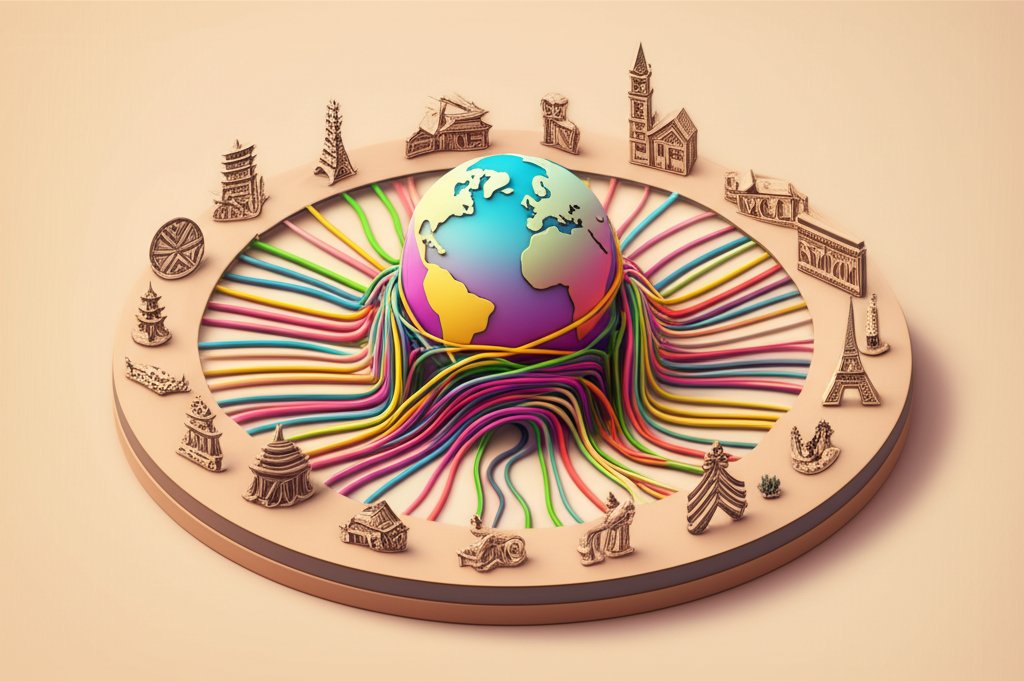
A name is so much more than a word. It’s a story, a connection to history, and the first gift a child receives. Across the globe, the traditions behind naming are as diverse and rich as the cultures themselves, weaving together threads of family, faith, nature, and identity. Whether you’re honoring your roots or embracing a global perspective, exploring names by country and culture opens up a world of meaning.
Today, multicultural names are more popular than ever, reflecting our interconnected world. A name like Kai can have roots in Hawaii, China, and Africa, while Ava carries echoes of Hebrew, Latin, and German. This beautiful fusion shows that a name can be a bridge between worlds, celebrating a child’s unique mixed heritage from the very start. Let’s journey through the fascinating tapestry of global naming traditions.
The Deep Roots of a Name: Religion, Mythology, and Ancient Stories
For millennia, faith and folklore have been the deepest wells from which names are drawn. Many of the most timeless and beloved names connect a child to a spiritual lineage, a sacred text, or a pantheon of powerful gods and goddesses. This practice gives a name a sense of purpose and protection.
- Biblical and Abrahamic Traditions: Hebrew names, largely drawn from the Old Testament, are cornerstones of Jewish, Christian, and Muslim cultures. Names like Gabriel (“God is my strength”) and Naomi (“pleasantness”) have traveled across continents. Similarly, many Arabic names are derived from Islam, and Aramaic naming traditions are also deeply rooted in religion.
- Mythological and Classical Heritage: Ancient Greek names often came from gods and heroes, with female names frequently being a feminized version of a male one. In Scandinavia, names might honor Norse mythology, giving us powerful choices like Oscar (“god’s spear”). Many English and French names also trace their lineage back to Latin, the language of the Roman Empire.
- Eastern Spirituality: In India, many Sanskrit names are tied to Hindu and Buddhist beliefs, referencing gods, goddesses, or concepts like Shreya (“good fortune”). This imbues a name with a sense of cosmic significance and positive energy.
Echoes of the Earth: Names Inspired by Nature and Virtue
Many cultures look to the world around them—and the virtues within—for naming inspiration. These names ground a person in the beauty of nature or set an intention for the character they will develop. They are often poetic, evocative, and deeply personal.
In Cambodia, Khmer names for girls often refer to beauty, while boys’ names speak of virtue. Vietnamese names frequently have literal meanings tied to nature or desirable characteristics. Similarly, Persian names are known for describing strength, beauty, and even colors. This connection to the tangible world is a powerful theme. For instance, the name Yara has origins in both Brazil (“water lady”) and Arabia (“little butterfly”), capturing a sense of delicate wonder. If you’re drawn to such beautifully meaningful choices, you’ll love to explore Exotic baby girl names.
This tradition is also strong among indigenous cultures. Aztec (Nahuatl) names were tied to nature and battle, while Inca names could come from animals and flowers. Maori names in New Zealand can describe ancestry or powerful concepts like “fire,” creating a direct link between the person and their environment.
A Moment in Time: How Circumstance and Family Shape Identity
For some, a name isn’t just who you are, but how you came to be. Naming traditions can capture the specific circumstances of a child’s birth or anchor them firmly within their family tree, creating an unshakeable sense of belonging.
- Marking the Occasion: In some African cultures, like the Yoruba of Nigeria, a name can reflect the conditions of birth, such as the day of the week or the location. Hawaiian names can also be inspired by birth events, lineage, or even mystical signs.
- Honoring Family Structure: Family is central to naming in many Asian cultures. Chinese and Hungarian names place the family name first, emphasizing the collective over the individual. Korean given names often include a shared “generation name” for siblings and cousins of the same gender.
- A Legacy in a Name: In Turkey, it’s common to name a baby after a grandparent, creating a direct link to the elders. Portuguese traditions beautifully honor both sides of the family, with a child often receiving two given names followed by the mother’s family name and then the father’s. Modern parents continue this legacy of honoring family, and some even Generate names from parents Baby name for a unique and personal tribute.
The Global Melting Pot: Modern Trends and Multicultural Naming
As the world shrinks, naming trends have become a beautiful reflection of cultural exchange. Parents are no longer limited by geography, drawing inspiration from art, history, and traditions far from their own. This has led to a rise in multicultural names and a deeper appreciation for specific cultural niches.
The Filipino naming system is a perfect example of historical fusion, where Spanish Christian first names were adopted during colonization while indigenous names were retained as surnames. Today, we see this blending happen organically. A name like Dara can mean “star” in Khmer, “compassion” in Hebrew, and “leader” in Punjabi. This global mindset celebrates diversity and finds common ground in universal sentiments. Despite all our differences, the love for a new baby is the same everywhere, which is why parents often Discover names meaning little one as a sweet, cross-cultural term of endearment.
This modern approach also allows for deep dives into specific heritages. Instead of just looking at “Spanish names,” you can Discover Mexican J names for a more regional flavor. At the same time, new cultural categories are always emerging. For a feel of what’s current in a modern, diverse setting, you can Discover urban male names.
A Name Is a Lifelong Journey
From the strict naming laws in Germany to the fluid, changing names in some Aboriginal and Native American cultures, the way we use and bestow names is a fundamental part of the human experience. Choosing a name is an act of hope, a reflection of heritage, and a wish for a child’s future.
As you explore this incredible global landscape of names, you’re not just picking a label—you’re participating in an ancient tradition of storytelling. The perfect name for your child is out there, waiting in a story, a song, or a land you’ve yet to discover.

- Find Guardian Names That Mean Protector For Your Baby - April 2, 2026
- Powerful Names That Mean Protector Girl for Your Future Leader - April 1, 2026
- Choosing Names That Mean Guard for Your Little One - March 31, 2026