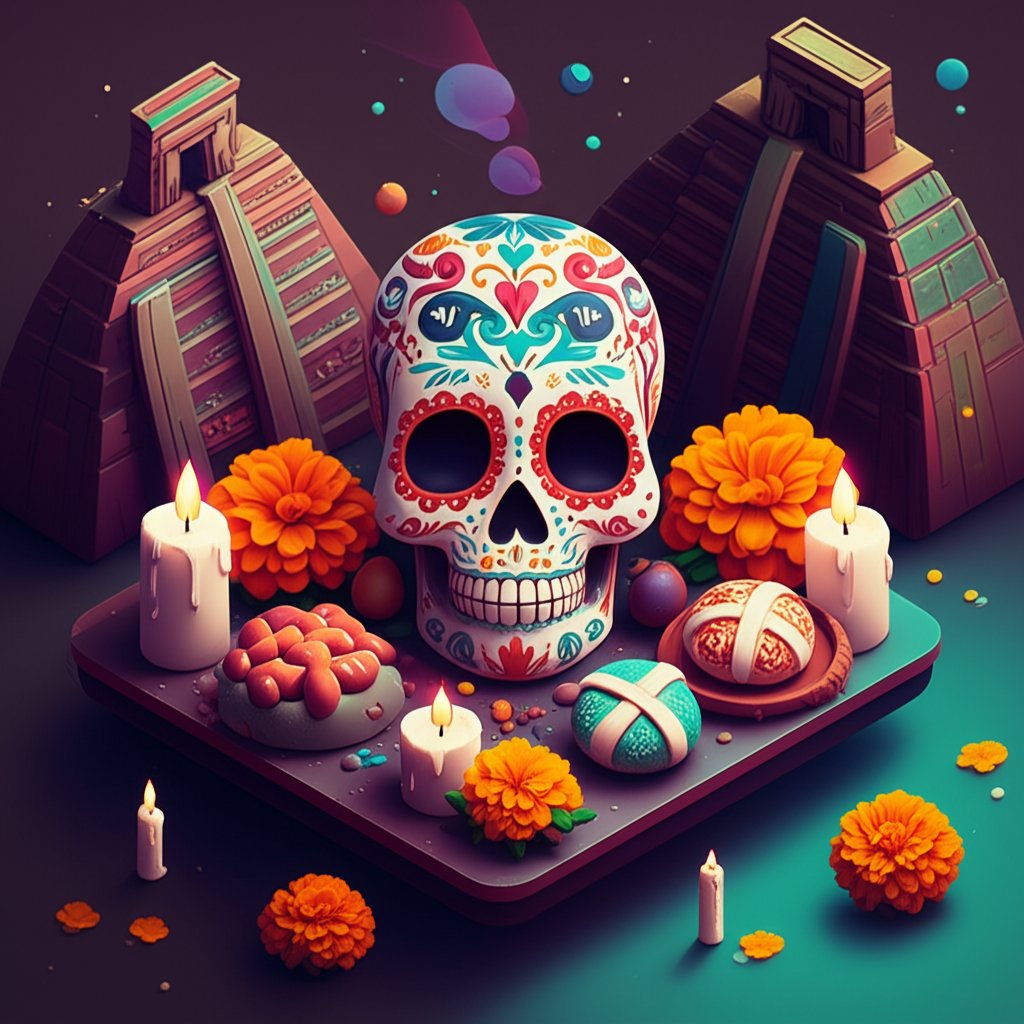
Choosing a name is often a search for light and hope. Yet, some of the most powerful and storied names are those related to death—names that carry the weight of myth, the ache of sorrow, and the finality of an ending. Far from being merely morbid, these names tap into a deep vein of human experience, exploring themes of destiny, transition, and the profound beauty found in darkness. They acknowledge that life’s full story includes its inevitable conclusion.
This isn’t about choosing a name that’s simply “dark”; it’s about understanding the cultural and emotional gravity behind a name like Persephone, Tristan, or Osiris. These names have power because they don’t shy away from one of life’s greatest certainties.
At a Glance: What You’ll Discover
- The Spectrum of Meaning: Learn the difference between names that mean “death,” “sorrow,” “darkness,” or “immortality.”
- Cultural Context: See how Greek, Norse, Celtic, and Hindu cultures frame death not just as an end, but as a cycle, a destiny, or a transformation.
- Mythological vs. Modern: Unpack the weight of naming a child after a god of the underworld versus a literary character associated with tragedy.
- A Practical Framework: Gain actionable steps for choosing a name that is profound and powerful without being perceived as purely negative.
- Names that Conquer Death: Explore a potent category of names that signify eternal life or victory over mortality.
Beyond the Literal: Decoding the Nuances of Death-Related Names
The phrase “names related to death” covers a vast territory, from the literal to the symbolic. Understanding these nuances is the first step in appreciating their depth. A name’s true power often lies in its specific connection to mortality—is it about the final act, the grief that follows, or the symbols that surround it?
Let’s break them down into their core categories.
Category 1: Direct and Unflinching Associations
These names mean “death,” “destruction,” or “the end” with little ambiguity. They are bold, direct, and often rooted in ancient languages where death was a plainly named concept.
- Thana (Arabic): The feminine form of Thanatos, the Greek personification of death.
- Morta (Roman): The Roman goddess of death who cuts the thread of life.
- Lefu (Sotho): An African name that directly translates to “death” or “sickness.”
- Letum (Latin): In Roman mythology, Letum was the personification of a peaceful death.
Choosing a name from this category is a powerful statement. It embraces the concept head-on, often with a stark, gothic beauty.
Category 2: The Echo of Sorrow and Grief
Many names don’t mean death itself, but rather the human emotion tied to it: sorrow. These names are often found in stories of tragedy and loss, capturing the heartbreak that makes us human.
- Tristan (Celtic/Latin): Famously from the tragic romance of Tristan and Isolde, this name means “sad” or “sorrowful.”
- Dolores (Latin): Meaning “sorrows,” it directly references the Virgin Mary’s title, “Our Lady of Sorrows.” Its common nickname, Lola, softens the association.
- Bronach (Irish): A Gaelic name simply meaning “sorrowful.”
- Benoni (Hebrew): In the Bible, this was the name Rachel gave her son as she died in childbirth, meaning “son of my sorrow.”
These names resonate because they speak to a universal experience. They are less about the abyss and more about the emotional landscape of loss, giving them a poetic, romantic quality.
Category 3: Figures of the Underworld and Fate
Perhaps the most epic category, these are the names of gods, goddesses, and mythical beings who preside over death, fate, or the afterlife. They carry an aura of immense power, destiny, and cosmic importance.
- Hades (Greek): The ruler of the underworld. While often seen as “evil” in modern media, in mythology he was a stern but just ruler of the realm of the dead.
- Persephone (Greek): Queen of the underworld, but also the goddess of spring. Her name embodies the cycle of death and rebirth.
- Osiris (Egyptian): A central deity in Egyptian mythology, he is the god of the afterlife, resurrection, and regeneration.
- Morrigan (Celtic): A goddess of war, fate, and death, often appearing as a crow, symbolizing her role as a “bringer of death.”
These names are not just about an ending; they’re about the systems, rules, and powers that govern it. They feel ancient, foundational, and significant.
Category 4: Symbols of Mortality and Transition
Some names draw their connection from nature and objects that cultures have long associated with death and the journey to the afterlife.
- Raven (English): This dark, intelligent bird is a symbol of death, mystery, and prophecy in many cultures, from Norse to Native American lore.
- Cypress (Greek): The Cypress tree has been a symbol of mourning and the transition between life and death since ancient times, often planted in cemeteries.
- Ewan (Scottish): Meaning “born of the yew tree,” this name connects to a tree that symbolizes both death and resurrection due to its longevity and ability to regenerate.
These names offer a more subtle, earthy connection to the theme, rooted in the natural world’s cycles of decay and growth.
Cultural Lenses: How the World Views Death in a Name
A name’s meaning is shaped entirely by its cultural origin. What one culture sees as a grim finality, another views as a necessary transition or a source of divine power. This context is everything when considering one of these names.
Greek, Norse, and Celtic: Mythic Power and Unavoidable Fate
In these mythologies, death is intertwined with destiny, war, and cosmic order. Names from these traditions carry a sense of epic scale and unshakable fate.
- Atropos (Greek): One of the Three Fates (the Moirai), her duty was to cut the thread of life, deciding the moment of death. Her name is the root of the word “atrophy.”
- Balor (Irish): A formidable giant in Celtic mythology known as Balor of the Evil Eye, whose gaze brought death. His name means “the deadly one.”
- Hel (Norse): The daughter of Loki and ruler of the Norse underworld (also called Hel). She was not necessarily evil, but a stoic overseer of the dead.
These names feel like they belong to heroes, villains, and gods from ancient epics. They are dramatic and steeped in lore.
Hindu and Sanskrit: The Cosmic Cycle of Creation and Destruction
In Hindu philosophy, death is not an end but a crucial part of a continuous cycle. Names from this tradition often reflect this sophisticated understanding of life, death, and rebirth.
- Shiva (Hindu): One of the principal deities, known as “The Destroyer.” However, his destruction is necessary to clear the way for new creation, making him a symbol of positive transformation.
- Kali (Sanskrit): Meaning “the black one,” she is a fierce goddess associated with time, change, and destruction. She is a powerful protector who destroys evil to liberate her followers.
- Yama (Hindu): The god of death and justice, who presides over the afterlife and judges the souls of the dead based on their karma.
These names possess a deep spiritual resonance, viewing mortality as part of a larger, meaningful process. While some of these names might be directly tied to deities, others offer a broader perspective. For a more direct list, you can review our full guide to Names that mean death.
Hebrew and Biblical Context: Divine Will, Tragedy, and Morality
Biblical names related to death often carry a sense of moral weight, consequence, or profound sorrow tied to a specific narrative.
- Azrael (Hebrew): Traditionally known as the Angel of Death in some Islamic and Jewish lore, responsible for transporting the souls of the deceased.
- Cain (Hebrew): Forever associated with death as the first murderer in the Abrahamic religions, who killed his brother Abel.
- Jemisha (Hindu): Meaning “queen of darkness.”
These names are deeply embedded in foundational stories that have shaped Western culture, giving them an immediate and powerful recognition.
The “Immortality Clause”: Names That Defy Death
For every name that means death, there is another that signifies the opposite: eternal life. These names acknowledge mortality by explicitly rejecting it, offering a message of endurance, legacy, and transcendence. They are a powerful and optimistic take on the same theme.
| Name | Origin | Meaning |
|---|---|---|
| Amartya | Sanskrit | “Immortal,” “deathless” |
| Athanasius | Greek | “Immortal” |
| Khalida | Arabic | “Eternal,” “immortal” |
| Markandeya | Sanskrit | “Conqueror of death” (a sage) |
| Nirnasha | Indian | “Deathless,” “undecaying” |
| Alexiares | Greek | “He who wards off death” (a demigod) |
| Choosing one of these names is like flipping the coin. It engages with the concept of death by celebrating the idea of living forever, whether literally or through a lasting legacy. |
A Practical Playbook: Choosing a Name with Weight and Wisdom
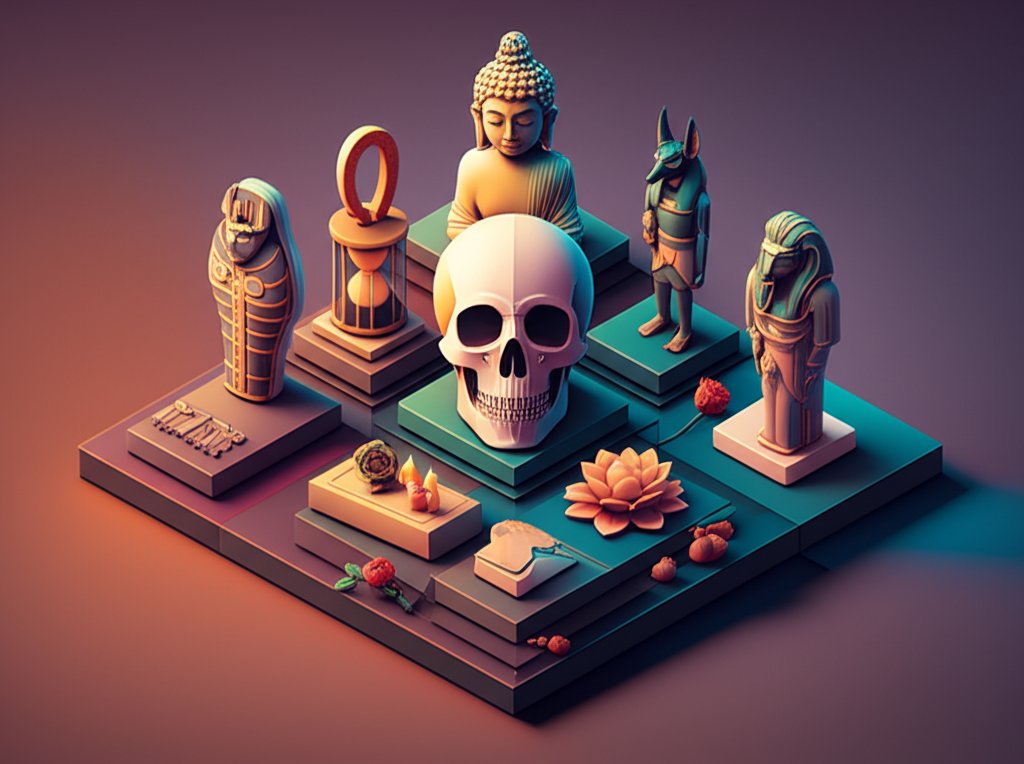
If you’re drawn to the depth and beauty of these names, it’s crucial to choose thoughtfully. A name with this much gravity requires more than just an appreciation for its sound.
Step 1: Define Your Intention
First, ask yourself why this category appeals to you.
- Are you seeking gothic beauty? Names like
Lilith,Morella, orCorbinfit an aesthetic of elegant darkness. - Do you want mythological power? Names like
Odin,Ares, orFreyjaevoke strength and destiny. - Are you drawn to tragic romance?
Tristan,Desdemona, orOpheliatell stories of profound love and loss. - Is it about a spiritual cycle? Names like
OsirisorShivaconnect to broader ideas of rebirth and transformation.
Knowing your “why” will narrow your focus from hundreds of options to a handful that truly resonate.
Step 2: Research the Full Story
Never choose a name based on a one-line definition. Lamia is a beautiful Greek name, but the myth behind it is of a queen cursed to become a child-eating monster. Deianira sounds lovely, but it means “man-destroyer,” and she famously killed Heracles by accident.
Read the mythology, the literature, or the history associated with the name. This context will travel with the name forever, and you should be comfortable with the entire story, not just the sound.
Step 3: Consider Perception and Nicknames
A name like Hades will get a strong reaction. Are you prepared for that? While you might appreciate its true mythological context, many will only know the modern Disney villain version.
Consider how nicknames can soften or alter a name’s impact.
- Desdemona (“ill-fated”) can become the friendly
Desi. - Persephone can be shortened to
PercyorSephie. - Mortimer (“dead sea”) might be called
Morty.
This allows the name’s full weight to exist while giving the person an everyday, approachable alternative.
Step 4: Create Balance with a Middle Name
One of the most effective strategies is to pair a heavy first name with a more conventional or gentle middle name, or vice versa. This creates a beautiful sense of balance and gives the person options as they grow.
Lilith ClaireHades JamesTristan AlexanderClara Morticia
This approach honors your desire for a profound name while grounding it in tradition.
Quick Answers to Common Questions
Is it bad luck to give a child a name related to death?
This is entirely a matter of cultural and personal belief. For every person who finds it morbid, another sees it as a way to honor ancestors, acknowledge life’s full cycle, or even as a form of protection. Many ancient cultures believed that naming a child after a powerful, fearsome concept would ward it off. There is no right or wrong answer—only what feels right for you.
Are all names that mean “dark” also related to death?
No. While there is often an aesthetic overlap, they are distinct categories. Names like Adrienne (“dark one”), Ciara (“dark-haired”), or Cole (“coal black”) refer to a physical attribute or a color. They evoke a mood but don’t carry the narrative weight of a name like Azrael (Angel of Death) or Mara (“bitter” in Hebrew, but also a death demon in Sanskrit).
Can I use a god of death’s name for my child?
Absolutely, but with awareness. Names like Odin, Osiris, and Freyja are established names that have been used for centuries; their association with death is just one facet of their complex mythology. Others, like the obscure Finnish death god Tuoni or the Breton personification of death Ankou, might be more challenging for everyday life due to their singular, grim association.
What’s the difference between a name meaning ‘sorrow’ and one meaning ‘death’?
Think of it as the difference between emotion and event. A name like Tristan (“sad”) or Dolores (“sorrows”) describes the feeling that loss leaves behind. It’s a name rooted in human experience and empathy. A name like Maveth (Hebrew for “death”) or Morta (Roman goddess of death) points directly to the event itself. The first is poetic and romantic; the second is stark and elemental.
Finding the Beauty Where Light and Shadow Meet
Names related to death are not for everyone. They are challenging, unconventional, and demand a deeper look. But within them lies a world of meaning that is absent from more common names. They tell the epic stories of our oldest myths, they speak to the universal pain of loss, and they honor the profound cycle that gives life its shape and preciousness.
Choosing such a name isn’t about an obsession with morbidity. It is about an appreciation for the whole story—the knowledge that sorrow makes joy more poignant, that endings give beginnings their purpose, and that the most compelling beauty is often found in the deepest shadows.

- Names That Mean Protector Exploring Strong Roots and Noble Meanings - March 27, 2026
- Names That Mean Protect and Embody Strength and Loyalty - March 25, 2026
- Explore Names Meaning Giver of Life for Your New Baby - March 24, 2026