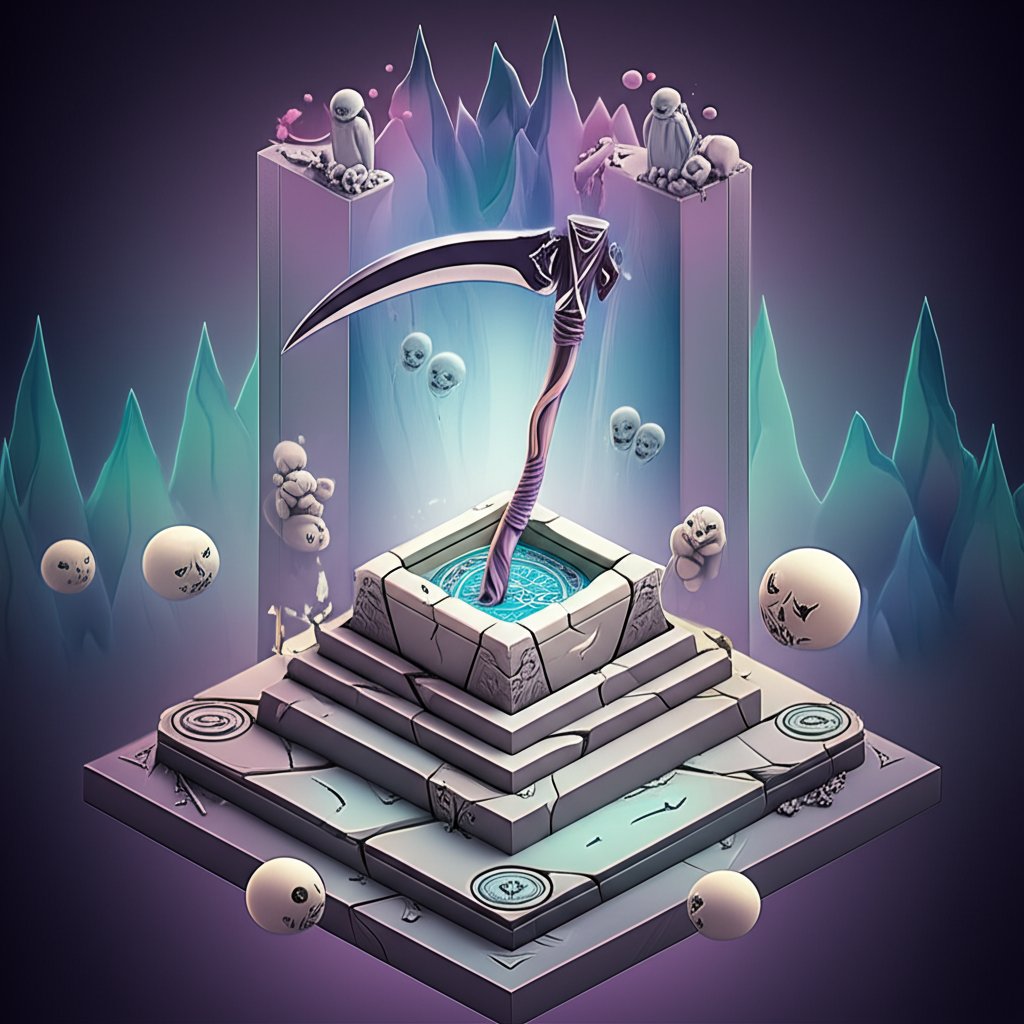
When searching for a name with weight and history, few carry as much power as names that mean death bringer. These are not names that simply hint at darkness or sorrow; they embody action, purpose, and the undeniable force of finality. From ancient gods of war to the solemn guides who ferry souls to the afterlife, these names tell stories of power, duty, and the fundamental cycles of existence. They are chosen for characters, projects, and even children to convey strength, inevitability, and a connection to some of life’s most profound mysteries.
At a Glance: Key Takeaways
- Understand the Archetypes: Learn the difference between names signifying passive death (like sorrow) and active “death bringer” names that imply agency, like destroyers, reapers, or gods of war.
- Explore Mythological Roots: Discover names from Greek, Norse, Hindu, Irish, and Abrahamic traditions that personify destruction, war, and the afterlife.
- Find Names by Role: We’ll categorize names based on their function—from chaotic warlords and underworld rulers to solemn soul guides and monstrous forces of nature.
- Choose with Intent: Get practical advice for selecting a name that aligns with a specific creative concept, character background, or desired narrative impact.
The Power in a Name: Distinguishing Agents from Abstracts
Many names touch upon the theme of mortality. Some evoke the quiet sadness of loss, like the Hebrew name Benoni (“son of my sorrow”), while others suggest darkness, like the Irish name Ciara (“dark”). These names are beautiful and poignant, but they occupy a different space from the “death bringer.” A death bringer name implies a role, a function, a direct hand in the process of ending.
This distinction is crucial. It’s the difference between a storm cloud and the lightning bolt that strikes. One is a condition; the other is an event. Figures like Ares, The Morrigan, or Azrael are agents of change, whether through chaotic violence, fated battle, or divine decree. While a broad look at names meaning mortality can be fascinating, and you can Explore names meaning death in our comprehensive guide, here we are focusing on the powerful figures who actively wield that finality.
Mythological Heavyweights: Gods and Goddesses of the End
Across nearly every culture, deities were created to govern life’s most formidable forces, including war, destruction, and the underworld. These names carry an immediate sense of authority and ancient power.
The Warlords and Agents of Destruction
These gods and goddesses don’t just oversee death—they thrive in the chaos of conflict and represent destruction as a creative or cleansing force.
| Name | Origin | Role & Connotation |
|---|---|---|
| Ares | Greek | The embodiment of war’s physical, violent, and untamed nature. A name for a character driven by bloodlust and pure martial prowess. |
| Kali | Hindu | A fierce goddess of time, creation, and destruction. She is a destroyer of evil forces, representing death as a necessary part of rebirth. |
| Morrigan | Irish | A trio of goddesses of war and fate. The Morrigan could foretell doom and influence the outcome of battles, often appearing as a crow. |
| Apollo | Greek | A complex example. While known as the god of music and light, one of his epithets is Apollon, meaning “The Destroyer,” linked to his role in sending plagues. |
| Agrona | Brythonic | An ancient goddess of strife and slaughter, her name is tied directly to the carnage of the battlefield. |
| Case Snippet: A writer creating a fantasy epic might choose Morrigan for a mysterious sorceress who manipulates wars from the shadows. The name instantly gives her a backstory of fated power and a connection to the battlefield’s crows, providing ready-made symbolism. |
The Inevitable Rulers of the Underworld
These figures aren’t necessarily evil; they are the stoic, powerful sovereigns of the afterlife. Their names suggest inevitability, authority, and dominion over the final realm.
- Hades (Greek): The ruler of the underworld. His name evokes a sense of grim, unyielding authority and wealth (as riches come from the earth), not malevolence. He is a king in his own domain.
- Hel (Norse): The daughter of Loki and ruler of the Norse underworld of the same name. She governs the souls who did not die a glorious death in battle, making her name synonymous with a cold, inglorious end.
- Ereshkigal (Mesopotamian): The formidable queen of the Sumerian underworld. Her name implies absolute, terrifying power over the realm of the dead, a figure who even the other gods feared to cross.
- Mictlantecuhtli (Aztec): The “Lord of Mictlan” was the primary Aztec god of the dead. His imagery is skeletal and fearsome, representing the stark reality of decay and the end of life.
The Messengers and Guides: Those Who Carry Out the Duty
Not all death bringers are gods of war or kings of the underworld. Many are functionaries, messengers, or spirits tasked with the solemn duty of guiding souls or enacting their final moments. These names often carry a sense of purpose, inevitability, and cosmic order.
The Reapers and Soul Collectors
These are the figures who appear when time is up. They are the personification of death itself, performing a necessary cosmic function.
- Azrael (Abrahamic): Known as the Angel of Death in Islam and some Jewish and Christian traditions. Azrael’s role is not born of malice but of divine command; he compassionately separates the soul from the body.
- Ankou (Breton): A figure from the folklore of Brittany, the Ankou is a collector of the dead, often depicted as a skeleton with a scythe who drives a cart to gather souls. He is a community’s personification of death.
- Charon (Greek): The ferryman of Hades who carries the souls of the newly deceased across the rivers Styx and Acheron. His name suggests a transition—the quiet, final journey from one state to the next.
- Thanatos (Greek): The literal personification of peaceful death, as opposed to the violent deaths brought by the Keres. His touch was gentle, and he represents the natural, unavoidable end of life.
The Spirits of Violent Ends
These entities are tied specifically to brutal or untimely deaths, often on the battlefield.
- Keres (Greek): Female spirits of violent death. They were drawn to the slaughter of battle, thirsting for the blood of the dying. Choosing a name like Keres or Keresha implies a brutal, merciless end.
- Banshee (Irish): A female spirit whose keening wail foretells a death in a family. While she doesn’t cause the death, she is its harbinger, inextricably linking her presence to the arrival of death.
Mortal and Monstrous Bringers of Ruin
Beyond the divine, many names for mortals and monsters are tied to destruction. These names often speak to human fallibility, monstrous nature, or roles prophesied to bring about great ends.
Names of Legendary Warriors and Destroyers
- Gedeon (Hebrew): Meaning “destroyer” or “mighty warrior,” this biblical figure was a judge who led the Israelites to victory. The name carries a sense of righteous, divinely sanctioned destruction.
- Aridam (Sanskrit): A straightforward and powerful name meaning “destroyer of enemies” or “conqueror.” It’s direct, potent, and leaves no room for ambiguity.
- Deianira (Greek): A tragic name meaning “man-destroyer.” As the wife of Heracles, she unintentionally killed him with a poisoned tunic. This name is perfect for a character who brings ruin not through malice, but through a fatal mistake or misguided love.
Creatures of Prophesied Destruction
- Fenris (Norse): The monstrous wolf prophesied to kill Odin during Ragnarök. The name Fenris is synonymous with untamable, apocalyptic destruction—a force of nature that will break its chains and consume the gods.
- Grendel (Old English): The monster from the epic poem Beowulf. Grendel is a “bringer of death” in the most literal sense, a creature of chaos and darkness who descends upon the hall of Heorot to slaughter its inhabitants.
- Abaddon (Hebrew): Meaning “destruction” or “doom,” Abaddon is both a place of destruction (the abyss) and the name of the angel who rules it, often called the “Destroyer.”
Quick Answers to Common Questions
Q: Are all “names that mean death bringer” evil?
A: Not at all. A crucial distinction lies in intent and role. Figures like Azrael (the Angel of Death) or Thanatos (the personification of peaceful death) are performing a necessary cosmic duty, often seen as neutral or even compassionate. In contrast, figures like Ares or the Keres represent chaotic, violent destruction. The morality of the name is defined by its origin story.
Q: What’s a good female name that means death bringer?
A: The Morrigan (Irish goddess of war), Hel (Norse ruler of the underworld), Kali (Hindu goddess of destruction and rebirth), and Keres (Greek spirits of slaughter) are all incredibly powerful mythological choices. For a more human touch, Deianira (“man-destroyer”) carries a tragic, literary weight.
Q: Can I use these names for a modern character without it being too obvious?
A: Absolutely. While naming a soldier Ares might be a bit on the nose, subtler choices work well. A name like Corbin (from “crow,” a bird associated with death) or Draven (often associated with darkness and ravens) provides a dark, gothic feel without being explicitly mythological. The context you build around the name is what gives it its power.
Your Final Choice: Inheriting a Legacy
Choosing a name that means death bringer is about more than finding a dark-sounding label; it’s about tapping into a deep well of story, power, and consequence. Whether you select the name of a stoic underworld ruler, a chaotic god of war, or a solemn angelic guide, you are giving your character or concept a legacy.
Think about the specific role you want to convey. Is it the uncontrollable rage of Fenris, the grim duty of Charon, or the righteous destruction of Gedeon? The name you choose sets the stage, infusing your creation with a history and an energy that resonates across cultures and centuries. The story is already there—it’s up to you to tell it.

- Names That Mean Protector Exploring Strong Roots and Noble Meanings - March 27, 2026
- Names That Mean Protect and Embody Strength and Loyalty - March 25, 2026
- Explore Names Meaning Giver of Life for Your New Baby - March 24, 2026