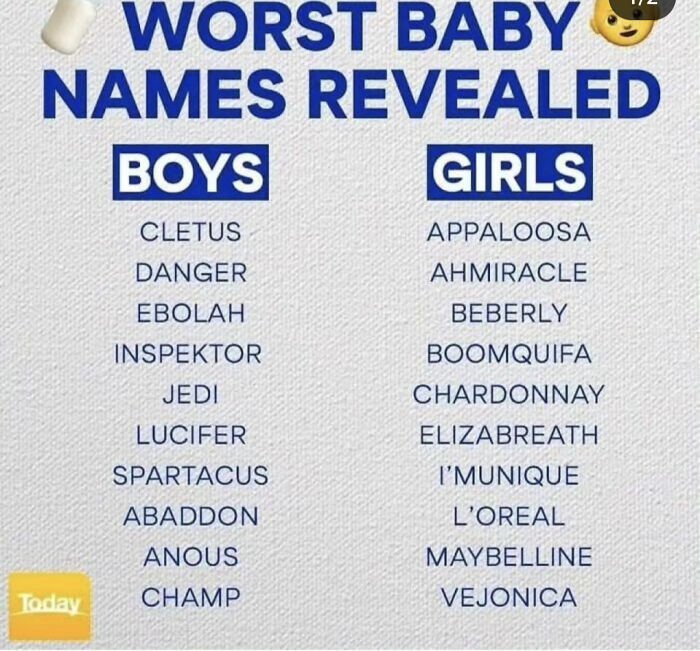
Choosing a name for your child is one of the most significant decisions a parent makes, a label they’ll carry for a lifetime. Yet, with so much excitement, it’s easy to overlook how certain “ugly men names” or otherwise unfortunate choices can unwittingly set a child up for years of relentless childhood teasing, social awkwardness, and even emotional distress. We’re not talking about subjective taste here; we’re delving into names with inherent characteristics that almost guarantee a rough ride on the playground and beyond.
At a Glance: Navigating the Naming Minefield
- Uncover Hidden Meanings: How seemingly innocent names can carry grim or embarrassing definitions.
- Master Pronunciation & Spelling: Avoid names that are awkward to say or invite constant correction.
- Beware of Pop Culture Pitfalls: How fictional characters or public figures can taint a name.
- Sidestep Object & Animal Associations: Names that sound like everyday things, often to a child’s detriment.
- Embrace the “Future Test”: How to evaluate a name for its impact through all life stages.
- Gain Peer Insight: The value of objective feedback before making a final decision.
The Unseen Burden: Why a Name Can Haunt a Childhood
A child’s name is their first introduction to the world, a core part of their identity. While every parent aims for a unique or meaningful moniker, some names, despite good intentions, become magnets for ridicule. This isn’t just about a child being “sensitive”; it’s about names carrying baggage—negative meanings, awkward sounds, or unfortunate associations—that schoolyard bullies are quick to exploit. The long-term impact can range from mild annoyance to significant self-esteem issues, shaping how a child perceives themselves and how others interact with them. For a deeper dive into the broader discussion surrounding contentious names, you might want to Explore the name controversy further.
Understanding the underlying factors is crucial. Names become “ugly” or problematic not just by subjective opinion, but by objective criteria like harsh meanings, difficult pronunciations, outdated connotations, or clear links to negative entities, objects, or even crude humor. Let’s break down the categories of male names most likely to invite childhood teasing, offering practical guidance on how to avoid these common traps.
Decoding the Name Dilemma: Categories That Attract Teasing
Naming a child involves more than just liking the sound of it; it requires foresight. We can categorize problematic male names into several distinct groups, each presenting its own set of challenges for the child bearing it.
1. The Weight of a Grim or Negative Meaning
Some names, regardless of their sound, carry meanings so inherently dark or unfortunate that they become an immediate target. This isn’t about being overly superstitious; it’s about the psychological weight a name like “angel of death” or “sadness” can impose.
- The Unfortunate Lexicon: Names like Abaddon (Hebrew for “angel of death,” also sounds like “abandon”) or Akuji (African for “dead and awake”) immediately conjure images far too heavy for a child. Imagine a teacher asking the meaning of a student’s name, only to reveal such a somber origin. Similarly, names like Brennan and Brone both mean “sorrow” or “sadness,” setting a melancholic tone before a child even speaks.
- Demonic & Evil Associations: Then there are names like Alastor (associated with a “sinner demon” and lord in Hell), Azazel, Lucifer (the devil), Satan, Zagan, Zepar, and Ziminiar—all directly linked to evil entities or mythological demons. No child should have to bear the burden of such a terrifying namesake, opening them up to relentless taunts of being “evil” or “possessed.”
- Criminal & Ill-Fated Echoes: Names that sound like crimes or misfortune are equally problematic. Phelonus or Phelony directly invoke “felony,” implying criminal traits. Mallory, though unisex, means “unfortunate” or “ill-fated,” and Desdemona (listed here for male consideration) carries meanings like “of the devil” or “misery.” These names pre-load a child with negative attributes that they’ll spend a lifetime trying to overcome.
- Case Snippet: A parent chose Morfran for their son, unaware it meant “sea crow” and was associated with an ugly figure in Welsh mythology. The child was later teased as “Crow Boy” and “ugly bird” by classmates who looked up the name.
2. Pronunciation Pitfalls and Spelling Struggles
A name that’s hard to say or spell correctly is an endless source of frustration, not just for the child, but for everyone they encounter. Children, in particular, are quick to mock anything that sounds “weird” or requires repeated correction.
- The Tongue-Twisters: Consider names like Thermopylae (a Greek town, meaning “hot gates”) or Myrtus (a flower). These are difficult for adults, let alone children, to pronounce correctly on the first try. Mispronunciations can quickly morph into playground jokes.
- Meaningless Combinations: Abcde (pronounced “Ab-sid-ee”) is a prime example of a sequence of letters without inherent meaning, making it sound forced and eliciting confusion. Similarly, Sssst is not only meaningless but phonetically challenging and invites snickering.
- Ambiguous Sounds: Mazn is another name cited as meaningless and likely to draw “funny stares.” A name should ideally be intuitive to say and understand.
- Actionable Tip: Test potential names by asking several different people to pronounce and spell them based solely on hearing or seeing them written. If there’s consistent confusion, it’s a red flag.
3. The “What Were They Thinking?” Category: Objects, Animals, and Body Parts
Naming a child after an inanimate object, a common animal, or worse, a body part, is almost a guaranteed recipe for teasing. Children’s minds are highly associative, and these names provide ample ammunition.
- Everyday Objects: Names like Banjo (musical instrument), Denim (fabric), Diesel (fuel), Satchel (a bag), or Minecraft (a video game) tie a child to a thing rather than a person. “Diesel boy” or “Minecraft kid” might seem harmless, but they strip a child of their individuality. Even Chip can evoke “memory chip” or “potato chips,” leading to nicknames like “Salty” or “Computer.”
- Animal Kingdom: Angus (deemed unsuitable due to its connotation with animals), Kyd (“baby goat”), Mowgli (“frog” or “wild child”), Tuna (a fish), and Wolfgang (containing “wolf”) all draw direct parallels to animals. While some animal names can be strong, these particular examples carry a higher risk of being used disparagingly.
- Unfortunate Body Parts & Bodily Functions: This category is perhaps the most cringeworthy. Names like Burp and Dick (referring to a sexual body part) are inexcusable choices that will undeniably lead to severe and cruel teasing. Colon (meaning “Dove” in Spanish) but also referring to the large intestine, falls into a similar trap, inviting immediate restroom humor. Head, despite its Anglo-Saxon origin, will inevitably lead to crude jokes.
- Case Snippet: John Mellencamp’s son, Speck, named after his grandfather’s nickname. While perhaps sentimental, “Speck” means “bacon” in German and is associated with “pork butcher,” leading to inevitable food-related taunts from peers.
4. Pop Culture & Public Figure Perils
While a name might sound cool due to a favorite character or a celebrity, these associations can quickly turn sour, especially if the character is flawed or the public figure becomes controversial.
- Fictional Faux Pas: Naming a child Pinocchio guarantees they’ll be called a liar. Shrek, meaning “terror” or “fright,” immediately brings to mind an ogre of ugly appearance. Even Elmo, a beloved Sesame Street character, can be infantilizing for a growing boy, leading to being called “Elmo puppet” or “baby Elmo.”
- Controversial Figures: The most extreme example is Osama, irrevocably linked to a world-acclaimed terrorist. This name carries an inescapable burden of negative association and could expose a child to prejudice or hostility.
- Outdated Cultural Shifts: Gaylord, once meaning “high-spirited” or “joyful,” has unfortunately become a word used to mock gay individuals, making it a name that almost certainly guarantees bullying today.
- The “Too Formal” Trap: While a sign of respect, using Sir as a given name is perceived as unappealing for a child, sounding overly formal or even comical, inviting questions like “Are you really a knight?”
- Actionable Advice: Consider the longevity of pop culture references. A name that’s trendy today might be dated or embarrassing tomorrow. Research names against current slang and cultural movements.
5. Outdated, Bland, or Overly Ordinary
While uniqueness isn’t everything, names that are perceived as exceedingly bland, old-fashioned, or simply too common can lack appeal and, in some cases, invite subtle forms of teasing or a feeling of being unremarkable.
- The “Old Man” Names: Names like Bob, Ernest, Harold, and Howard are often perceived as past their prime. While they might make a comeback, they currently carry an “old man” connotation that can be a source of mild teasing or a child feeling their name is “boring” or “uncool.” The meaning of names like Ernest (“serious”) or Harold (“military power”) don’t necessarily lend themselves to youthful charm either.
- Too Ordinary: Bob is specifically called out for being “too ordinary and popular, losing its attraction.” While not leading to cruel bullying, it can contribute to a child feeling lost in a crowd of similar names.
- Actionable Tip: Seek a balance. A name doesn’t have to be wild, but a name with some character, perhaps an uncommon classic, often serves a child better than one that sounds completely devoid of personality.
6. The Abbreviation, Number, or Bad Pun Trap
Names that resemble abbreviations, are simply numbers, or are clearly bad puns reveal a lack of serious thought and often backfire spectacularly.
- Abbreviation Ailments: IB sounds boring and like an abbreviation, inviting questions about what it stands for, or simply being dismissed.
- The Numeric Naming: Seven, while representing “completion and perfection,” is simply a number. Naming a child after a number often sounds arbitrary and can lead to being treated as a statistic rather than an individual, or being associated with sequential jokes.
- Puns Gone Awry: Jermajesty, intended to mean “Healer” but coined from a bad pun (combining “Jeremy” or similar with “Majesty”), is considered unattractive and clearly a joke name. Children are incredibly adept at recognizing and ridiculing such attempts at cleverness.
- Reversed Names: Semaj, simply “James” spelled backward, is another example of a name lacking inherent meaning, often leading to confusion and the perception that parents weren’t creative enough.
- Case Snippet: A child named “Audio Science” (as if it were a college class) would face constant questions about their name’s origin and sound like a textbook, rather than a person.
7. Names Evoking Negative Traits or Words
Some names simply sound like negative words or traits, creating an immediate, often unfair, association.
- Brutal Sounds: Brutus directly sounds like “brutal,” giving a child an aggressive, harsh image from the start.
- Dweeb & Weasel Echoes: Dweezil is explicitly called out for sounding like “Dweeb” and “Weasel,” two words synonymous with social awkwardness and sneakiness. This is a cruel name to bestow upon a child who is trying to find their place.
- The “Danger” Label: Naming a child Danger (meaning “serious trouble”) is too violent and sets an antagonistic tone. It might seem edgy to an adult, but for a child, it invites questions about why they’re so “dangerous” or why their parents would give them such a name.
- Rebel Ruckus: While some might see Rebel as cool, for a child, it can imply defiance and trouble, leading to constant scrutiny or sniggering.
- The “Sadman” Irony: Sadman, despite having an Irish/Persian meaning of “Happy,” ironically sounds unhappy, setting up an immediate contradiction that children will latch onto.
Your Practical Playbook: A Tease-Proof Naming Strategy
Choosing a name that protects your child from unnecessary teasing is a vital act of parental care. Here’s a practical framework to guide your decision-making process:
- Dig Deeper Than the Sound: Research Meanings & Origins Thoroughly.
- Action: Don’t just rely on common knowledge. Use reputable online name databases, etymology resources, and even historical texts. Look for both primary meanings and any historical or mythological associations.
- Pitfall to Avoid: Assuming a name’s meaning or origin based on its sound. Example: Thinking Zuma sounds cool, but missing its Aztec meaning, “Lord frowns in Anger.”
- Checklist: Does it have negative connotations (violence, sadness, misfortune, evil)? Does it link to controversial figures or problematic fictional characters?
- The “Say It Out Loud” Test: Pronunciation & Spelling Clarity.
- Action: Say the name aloud multiple times, quickly and slowly. Write it down. Ask friends, family, and even strangers to pronounce and spell it. How does it sound with your last name? Does it rhyme with anything unfortunate?
- Pitfall to Avoid: Choosing a name that looks unique but is unintuitive to pronounce or spell. Example: Sssst looks distinct but is impossible to pronounce clearly.
- Checklist: Is it easy to pronounce? Is the spelling straightforward? Does it sound awkward or unclear when spoken?
- The Cultural Compass: Navigating Perceptions.
- Action: Consider how the name might be perceived in different cultural or linguistic contexts your child might encounter. Be aware of slang or colloquialisms in various regions.
- Pitfall to Avoid: Overlooking regional or linguistic quirks that could turn a good name bad. Example: Colon is fine in some contexts but problematic in English.
- Checklist: Does it have unintended or negative meanings in other languages? Does it resemble slang words?
- The “Friend & Family Filter”: Objective Feedback is Priceless.
- Action: Share your top name choices with a diverse group of trusted friends and family. Ask for honest, unvarnished feedback. Specifically ask if they can imagine a child being teased with that name.
- Pitfall to Avoid: Only asking people who you know will agree with you, or shying away from critical feedback.
- Checklist: Did anyone raise an eyebrow? Did anyone immediately think of a negative association?
- The “Future-Proofing” Perspective: From Cradle to Career.
- Action: Imagine your child at different life stages: a toddler, a school-aged child, a teenager, and an adult applying for a job. Does the name grow with them, or does it feel childish or inappropriate at certain stages?
- Pitfall to Avoid: Choosing a “cute” name that doesn’t age well or a “edgy” name that could hinder professional opportunities. Example: Pirate might seem fun for a toddler but less so for a lawyer.
- Checklist: Will it sound professional? Will it be taken seriously? Will it cause embarrassment in adulthood?
Quick Answers: Common Naming Misconceptions
Q: Isn’t any name a child could be teased for? How can I truly “tease-proof” a name?
A: While children can find something to tease about with any name, your goal is to eliminate names with inherent, obvious, and unavoidable teasing triggers. A name like “Brutus” (“brutal”) is far more likely to guarantee teasing than a unique but otherwise neutral name. Focus on removing the low-hanging fruit for bullies.
Q: My family has a tradition of using certain names, but some are on your problematic list. What should I do?
A: Family tradition is important, but a child’s well-being comes first. Consider modernizing the name, using it as a middle name, or finding a variant. For example, if “Harold” feels too old, perhaps a name with a similar meaning but a more contemporary feel could work. Openly discuss the potential teasing impact with your family.
Q: I want a unique name. Does that mean I have to pick something boring to avoid teasing?
A: Absolutely not! Unique doesn’t mean problematic. Uniqueness comes from finding names that are less common but still possess positive attributes: pleasant sounds, clear spellings, positive meanings, and no obvious negative associations. Many beautiful, less common names exist that are perfectly safe.
Q: What if I like a name despite its potential for teasing? Should I still go for it?
A: This is a personal decision, but weigh your preferences against your child’s potential experience. A name is for life. If a name carries a high probability of negative social impact, it’s worth re-evaluating. Your child will live with the consequences of that choice far longer than you enjoy the novelty of a “cool” but problematic name.
Securing Their Start: Naming with Confidence and Care
The responsibility of naming a new life is profound. By understanding the common pitfalls of “ugly men names” – those burdened by unfortunate meanings, pronunciation woes, cultural missteps, or bizarre associations – you empower yourself to make a choice that nurtures confidence rather than insecurity. Remember, a great name isn’t just one you love; it’s one your child will love, too, because it grants them a clear, positive identity as they navigate the world. Be diligent, be thoughtful, and equip your child with a name that serves as a foundation for strength, not a target for teasing.

- Pun Names Deliver Clever Wordplay That Sparks Instant Laughter - October 24, 2026
- Waspy Boy Names For Your Little Ivy League Gentleman - October 23, 2026
- Waspy Names Reveal Old Money, Ivy League Connections - October 22, 2026