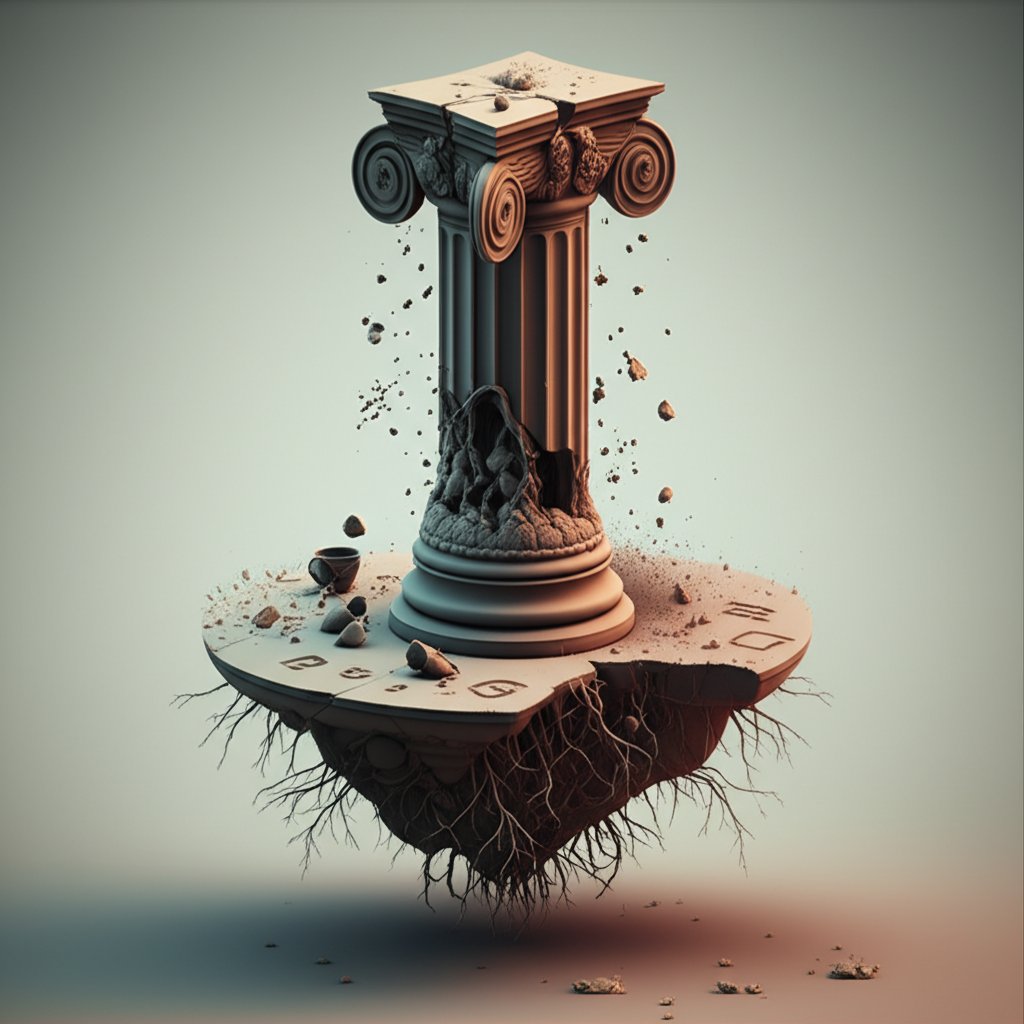
While many of us search for names that signify life, strength, or beauty, a fascinating and powerful subset of names explores the opposite: the inevitable process of decline. The world of names meaning decay is not merely about morbidity; it delves into the profound cycles of transformation, the quiet end of all things, and the fertile ground that endings create. These names carry a unique weight, rooted in ancient mythologies and the stark realities of the natural world, offering a depth that is both somber and surprisingly beautiful.
They remind us that decay is not just an end but a necessary part of a cycle. From the Finnish goddess of tombs to the French name for a “dead sea,” these monikers are potent, memorable, and rich with symbolic power.
At a Glance: What You’ll Discover
- The Nuance of Decay vs. Death: Understand why names for decay carry different symbolic weight than names for death, focusing on process over finality.
- Direct & Metaphorical Meanings: Explore names that literally translate to “decay” or “rot” alongside those that evoke the concept through powerful metaphors like ravens or blighted landscapes.
- Cultural Perspectives on Decay: See how different cultures—from Egyptian to Finnish to Latin—viewed decomposition and integrated it into their naming traditions and mythologies.
- A Practical Selection Guide: Get actionable advice for choosing and using these names thoughtfully, whether for fictional characters, artistic projects, or personal branding.
- Key Names Unpacked: A detailed look at specific names like Kalma, Anubis, Corbin, and Mortimer, revealing their origins and deeper symbolism.
Beyond the End: Why Decay Is a Unique Concept
It’s easy to lump all dark-sounding names together, but the theme of decay is distinct. While death is an event—a final, definitive moment—decay is a process. It’s the slow, quiet transformation of matter from one state to another. This focus on transition gives names meaning decay a unique philosophical and narrative power.
These names can symbolize:
- The Natural Cycle: The falling of leaves, the return of nutrients to the soil, the circle of life.
- The Waning of Power: The slow decline of an empire, a family’s fortune, or an individual’s influence.
- Transformation: The breaking down of the old to make way for the new.
- Morbiddity and Corruption: The darker, more unsettling aspects of rot, often used in gothic fiction and fantasy.
Understanding this distinction is key to appreciating their depth. While decay is our focus here, it’s a specific thread in a much larger tapestry. To understand the full spectrum of related concepts, you can Dive into names meaning death and their diverse cultural roots. This broader context helps situate the unique role that names of decay play.
Names with Direct Meanings of Decay and Decomposition
Some names don’t hide their meaning behind metaphor. They are direct, stark, and deeply connected to the cultures that created them. These names often belong to deities or concepts personifying the process of decomposition itself.
Kalma (Finnish)
In Finnish mythology, Kalma is the goddess of death and decay. Her name literally means “the stench of corpses.” She haunts graveyards (known as kalmisto, “the lands of Kalma”) and is often depicted accompanied by Surma, a beast personifying violent death.
- Symbolism: Kalma represents the physical reality of decomposition. She is not a judge or a guide but the embodiment of the body’s return to the earth.
- Modern Use: Due to its stark meaning, Kalma is rarely used for people but is a potent choice for fictional entities, dark fantasy settings, or metal bands seeking a name with authentic mythological weight.
Anubis (Egyptian)
While widely known as the god of mummification and the afterlife, the root of Anubis’s name (inpw) is believed to mean “to decay.” This presents a fascinating paradox: Anubis is the master of decay, the one who presides over it and, through the sacred art of embalming, ultimately halts it to preserve the soul for its journey.
- Symbolism: Anubis represents humanity’s attempt to understand, manage, and transcend decay. He isn’t a force of rot but a symbol of control over it. His role highlights the ancient Egyptians’ deep respect for the physical form even after death.
- Case Snippet: A video game designer chose the name “Anubis Collective” for a faction of bio-engineers in a sci-fi world. The name perfectly captured their mission: studying cellular decay to unlock secrets of regeneration, mirroring the god’s dual nature.
Morta (Latin)
In Roman mythology, Morta was one of the three Fates (Parcae). While her sisters spun and measured the thread of life, Morta’s role was to cut it, signifying death. Her name is directly related to mors (“death”) and the concept of mortality, the state of being subject to decay.
- Symbolism: Morta represents the inevitability of the end that precedes decay. She is the trigger for the process, a reminder that all that lives will eventually break down.
The Power of Metaphor: Names That Symbolize Decay
More common and often more poetic are names that evoke decay through symbolism and metaphor. They draw on images from the natural world—scavenger birds, dead trees, stagnant water—to convey a sense of decline and decomposition.
Corbin (Latin/French)
Derived from the Latin corvus, meaning “raven” or “crow,” Corbin is a classic example of a symbolic name. Ravens have long been associated with death and battlefields, as they are scavengers who thrive on carrion.
- Symbolic Nuance: The raven isn’t evil; it’s an opportunist and a key part of the natural cleanup crew. A character named Corbin might be a pragmatist, someone who finds opportunity in the ruin of others, or a harbinger of significant, transformative change. The name suggests a connection to the aftermath of destruction.
Mortimer (Old French)
This aristocratic-sounding name has a surprisingly grim meaning: “dead sea” or “stagnant water” (morte mer). Stagnant water is a powerful symbol of decay—a place where life ceases to flow and decomposition takes hold.
- Symbolic Nuance: Unlike a raging river or a vast ocean, a “dead sea” is silent, still, and lifeless. The name Mortimer can evoke a sense of quiet melancholy, ancient and forgotten places, or a personality that is emotionally still and contained.
Jolon (Native American – Ohlone)
A beautiful and evocative name, Jolon is said to mean “valley of the dead oaks.” This name paints a picture of a specific landscape, one marked by the noble decay of ancient trees.
- Symbolic Nuance: This is not a name of rot or horror but of somber, natural beauty. It speaks to a gentle and inevitable decline, the quiet grandeur of a forest in its final life stage. It’s perfect for a character or place with a deep, sorrowful history.
Blight (English)
More of a word-name, Blight refers to a plant disease that causes withering and decay. It has come to mean any force that spoils or destroys.
- Symbolic Nuance: Blight suggests a creeping, insidious form of decay—a corruption that spreads slowly and ruins from within. It’s an exceptionally effective name for a villain, a plague, or a cursed land in a fantasy narrative.
A Practical Guide to Choosing a Name Meaning Decay
Selecting a name with such a heavy connotation requires careful thought. Whether for a fictional character, a brand, or an artistic project, the goal is to use its power intentionally.
A 4-Step Framework for Selection
- Define Your Purpose: Why do you need this name?
- For a Character: Is the character a literal agent of decay, a victim of it, or someone who lives in its shadow? Corbin might suit a wise-cracking cynic, while Kalma would fit a literal goddess of rot.
- For a Place: Are you naming a cursed swamp (Blightmarsh) or a forgotten, melancholic valley (Jolon)?
- For a Project: A metal band might embrace the starkness of Kalma, while a gothic poetry collection might use Mortimer.
- Consider the Connotation (Direct vs. Metaphorical):
- Direct names (Kalma, Morta) are unambiguous and powerful but can be heavy-handed. They are best used when you want the meaning to be clear and impactful.
- Metaphorical names (Corbin, Jolon) are more subtle and poetic. They allow for more complex interpretations and are often more palatable and versatile.
- Research the Cultural Roots:
- Using a name from a specific mythology (like Kalma or Anubis) comes with baggage. Understand the original context. Are you honoring the source or misrepresenting it? Respectful use requires research. A name like Blight, being a common English word, is culturally neutral.
- Test the Sound and Feel:
- Say the name aloud. Does the phonetics match the feeling you want to convey? Mortimer sounds formal and ancient. Blight is short and harsh. Jolon is soft and sorrowful.
Quick-Reference Table of Decay-Related Names
| Name | Origin | Literal Meaning | Symbolic Nuance |
|---|---|---|---|
| Kalma | Finnish | “Stench of corpses” | The physical, stark reality of decomposition. |
| Anubis | Egyptian | “To decay” (root meaning) | Mastery over decay; preservation in the face of it. |
| Mortimer | Old French | “Dead sea” / “Stagnant water” | Stillness, melancholy, a slow and quiet end. |
| Corbin | Latin / French | “Raven” | Transformation, opportunism, a connection to the aftermath. |
| Jolon | Native American | “Valley of the dead oaks” | Somber natural beauty, a gentle decline, history, sorrow. |
| Blight | English | A plant disease | A creeping, insidious corruption that spoils from within. |
| Riven | English | “To tear apart” | Violent destruction, being shattered, a state of ruin. |
Quick Answers to Common Questions
Q: Are names meaning decay suitable for a baby?
A: Generally, it is not recommended. Names carry significant psychological and social weight. A name with a direct meaning of decay, rot, or death could place an unnecessary burden on a child. Metaphorical names like Corbin are more mainstream and their darker roots are less obvious, making them a more viable, though still edgy, choice. Always consider the real-world implications.
Q: What’s the main difference between a name meaning ‘ruin’ and one meaning ‘decay’?
A: “Ruin” often implies a sudden, destructive event—the crumbling of a castle, the aftermath of a battle. Names like Riven (“to tear apart”) fit this category. “Decay,” on the other hand, implies a slow, organic, and often natural process. Ruin is the event; decay is the quiet aftermath.
Q: Can I use a mythological name like Kalma without being disrespectful?
A: This is a matter of intent and context. Using a mythological name for a fictional character is common practice, but it’s best to do so with an understanding of its origin. Avoid using sacred names in a way that trivializes or mocks the source culture. If you’re inspired by the mythology, let that respect show in the depth of your character or story.
From Ruin to Rebirth: The Enduring Power of Decay
Ultimately, names meaning decay are not just about endings. They are about the fascinating, essential, and often overlooked processes that govern life and death. They remind us that for new things to grow, old things must first fall apart and return to their base elements.
Choosing one of these names is a deliberate act—a decision to embrace a concept that is complex, somber, and deeply powerful. Whether you are a writer building a world, an artist exploring dark themes, or simply a person drawn to the beauty in melancholy, these names offer a rich vocabulary for expressing the profound cycle of transformation. They are a testament to the fact that even in decay, there is meaning, history, and a strange, enduring life.

- Pun Names Deliver Clever Wordplay That Sparks Instant Laughter - October 24, 2026
- Waspy Boy Names For Your Little Ivy League Gentleman - October 23, 2026
- Waspy Names Reveal Old Money, Ivy League Connections - October 22, 2026