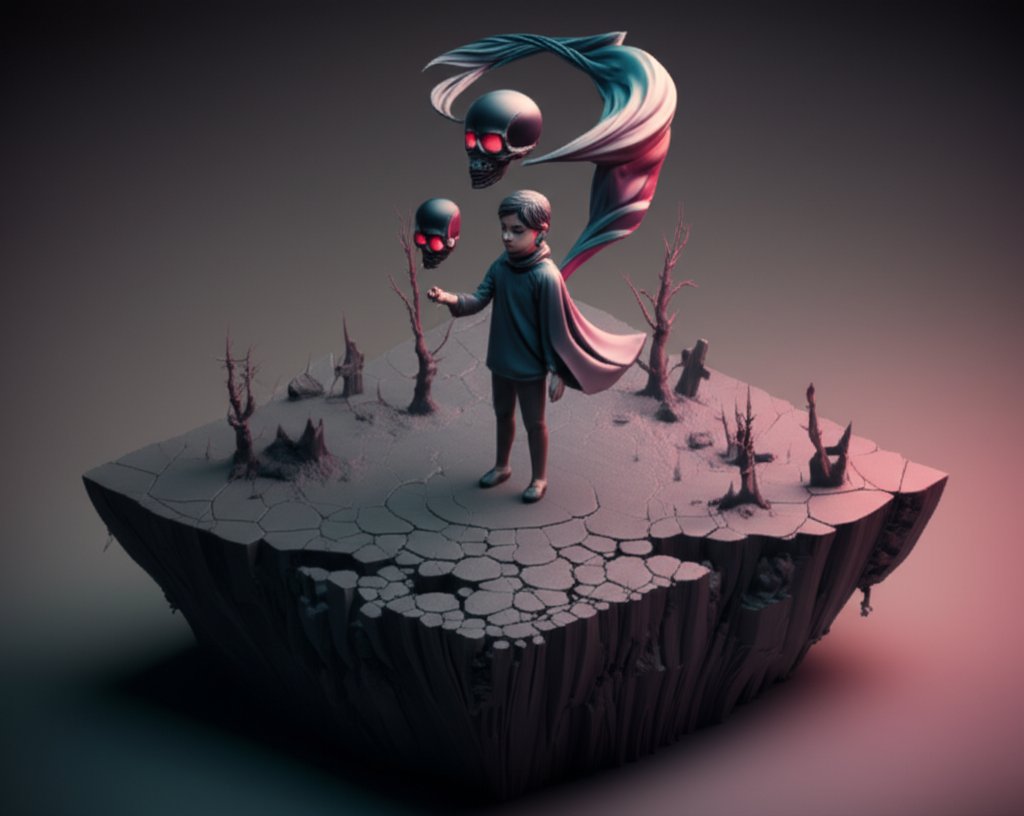
Choosing a name is one of the first powerful statements you make for your child. While many parents seek names meaning “light” or “life,” a growing number are drawn to the profound, powerful, and often misunderstood world of boy names that mean death. These names aren’t about celebrating an end; they’re about embracing the full, complex cycle of existence, symbolizing strength, transition, and the mysterious forces that shape our world.
These names carry a certain gravity and undeniable coolness. They are rooted in ancient mythologies, powerful natural symbols, and languages that don’t shy away from life’s deepest truths. By exploring them, you are looking for a name with a story—one of resilience, authority, and deep-seated power.
At a Glance: What You’ll Find Inside
- Symbolic Meanings: Uncover why names related to death often signify power, protection, and the cycle of life and rebirth.
- Mythological Powerhouses: Explore names of gods, spirits, and figures who command the underworld and destiny across different cultures.
- Linguistic & Natural Roots: Discover names derived from words for “death,” “darkness,” and natural elements tied to mortality.
- A Practical Guide: Get actionable tips for choosing a name that is both meaningful and wearable in the modern world.
- Answers to Common Concerns: Address the “morbidity” question and find subtle options for a darker aesthetic.
Beyond the Morbid: The True Power of Names Tied to Death
At first glance, the idea of naming a child something related to death can seem jarring. But culturally, death has never been just an endpoint. It’s a transition, a source of power, and a fundamental part of nature’s rhythm. The names that spring from this concept are less about finality and more about the profound ideas associated with it.
These names often fall into a few key symbolic categories:
- Guardianship and Authority: Many figures associated with death are not malevolent but are seen as powerful guardians or rulers who maintain cosmic balance. Think of Anubis, the Egyptian god who guides souls, or Hades, the king of the underworld. These names suggest authority and a deep understanding of life’s rules.
- The Inevitable Cycle: Names tied to symbols like the yew tree (Ewan) or the skull (Calavera) celebrate the natural, unending cycle of death and rebirth. They are a reminder that every end is also a beginning.
- Resilience and Rebirth: A name like Revenant, meaning “one who returns from the dead,” is a direct nod to an unconquerable spirit and ultimate resilience. Similarly, Osiris represents resurrection and eternal life after death.
- A Touch of Mystery: Names like Onyx or Raven evoke the beautiful, dark, and mysterious aspects of the unknown. They are chic, strong, and carry an air of intrigue.
While this article focuses on boy names, the themes of power, transition, and guardianship are universal. To see a wider collection of both masculine and feminine options, you can Explore names meaning death and their rich cultural histories.
Names Pulled from Myth, Legend, and Lore
Mythology provides some of the most potent and recognizable boy names that mean death. These aren’t just names; they’re entire stories encapsulated in a single word, often associated with gods, angels, and legendary figures who hold domain over life’s final chapter.
Greek & Roman Underworlds
The Greco-Roman pantheon offers names that are both classic and commanding, tied to figures who personified or ruled over death.
- Thanatos: The most direct option, this is the Greek personification of death itself. As the twin brother of Hypnos (sleep), Thanatos represents a peaceful end and the unavoidable journey. It’s a bold, powerful name symbolizing the natural order.
- Hades: The ruler of the underworld, often misunderstood as evil but more accurately portrayed as a stern, powerful, and wealthy king. The name Hades conveys authority, mystery, and dominion over the unseen.
- Ares: The Greek god of war and destruction. While not directly a god of death, his domain is inextricably linked to it, making Ares a name that suggests fierce, untamable strength.
- Charon: The ferryman who guides souls across the River Styx. This name has a quieter, more functional power, symbolizing transition, guidance, and passage.
- Apollo: A surprising entry. While known as the god of light and music, one of his titles is Apollon, the “destroyer.” This duality gives the name incredible depth—a blend of light and shadow.
Norse, Celtic, and Egyptian Deities
These cultures had a rich and complex view of the afterlife, giving us names that are rugged, mystical, and deeply connected to nature and fate.
| Name | Origin | Meaning & Association |
|---|---|---|
| Odin | Norse | The Allfather, god of wisdom, poetry, and death. He presides over Valhalla, the hall for slain warriors, making this a name of honor and sacrifice. |
| Anubis (Anpu) | Egyptian | The jackal-headed god of mummification and the afterlife. He is a protector and guide for the dead, a name of solemn responsibility. |
| Osiris | Egyptian | A central god of the afterlife, who was murdered and resurrected. His name symbolizes rebirth, eternity, and righteous rule. |
| Arawn | Celtic (Welsh) | The king of Annwn, the Otherworld. Arawn is a respected and powerful figure, often associated with winter, hunting, and the cycle of nature. |
| Donn | Celtic (Irish) | An ancestor deity considered the lord of the dead. He resides on an island off the Irish coast where the souls of the dead gather. |
| Balor | Celtic (Irish) | A mythological giant with a “deadly eye.” The name means “the deadly one” and speaks to immense, raw power. |
From Around the World: Names Derived from Language and Nature
Beyond mythology, many languages offer direct translations or symbolic words connected to death, darkness, and mortality. These names can feel more grounded, literary, or modern while still carrying a deep and potent meaning.
Direct & Evocative Translations
These names are derived from words that mean “death,” “destruction,” or related concepts, offering a straightforward connection to the theme.
- Mortimer: An old English and French name meaning “dead sea.” It has a classic, almost gothic feel, with the friendly nickname “Morty.”
- Maveth: The direct Hebrew word for “death.” It’s rare, sharp, and unambiguous.
- Ajal: An Arabic name meaning “the appointed time of death.” It carries a sense of destiny and fate.
- Kaal: A Hindi name meaning “death” or “time,” often associated with the god Shiva as the destroyer of the universe.
- Dáinn: An Old Norse name literally meaning “the dead one.” It’s stark, strong, and deeply rooted in Viking history.
- Lefu: A Sotho (South African) name meaning “death” or “sickness.” Its cultural context is key to its use.
- Hadeon: A Ukrainian name meaning “destroyer,” echoing the power of figures like Apollo or Shiva.
Inspired by Nature and Symbols of Mortality
Nature is filled with symbols of death and transition. These names have a poetic, earthy quality that connects the theme to the world around us.
- Raven: The dark, intelligent bird is a symbol of death, prophecy, and mystery in many cultures. It’s a popular and stylish choice with a gothic edge.
- Onyx: Named for the deep black gemstone, Onyx means “claw” in Greek. It symbolizes strength, protection, and the elegant mystery of darkness.
- Clay: A simple, strong English name that directly references human mortality—the idea of being formed from the earth and returning to it.
- Cypress: The tall, dark evergreen tree has been a symbol of mourning and the transition between life and death since ancient Greece.
- Jolon: A Native American name meaning “valley of the dead oaks.” It’s incredibly evocative, painting a picture of solemn, natural beauty.
- Ewan: A Scottish name meaning “born of the yew tree.” The yew has long been a powerful Celtic symbol of death and rebirth, often planted in graveyards.
A Practical Guide to Choosing a Powerful, Dark Name
Embracing a boy’s name that means death requires thoughtful consideration. Here’s how to choose one that feels right for you and your child.
- Dig Into the Nuance: Don’t stop at the literal translation. Is the name about raw power (Ares), guardianship (Anubis), or sorrowful beauty (Tristan)? Understanding the story behind the name helps you choose the specific energy you want to invoke. For example, Azrael, the angel of death, is seen not as a killer but as a guide who helps souls transition.
- Consider the Cultural Context: A name like Calavera (“skull”) is joyful and celebratory in Mexican culture but might be perceived differently elsewhere. Research how the name is viewed in its culture of origin and how it might be interpreted in your own community.
- Balance Uniqueness with Usability: Some names, like Hazarmaveth (“dwelling of death”), are deeply historical but may be challenging to pronounce and spell. Others, like Raven or Griffin (often associated with guarding treasure in the afterlife), are more familiar. Consider potential nicknames—Mortimer shortens to the friendly Morty.
- Say It Out Loud: How does the name sound with your surname? Does it flow well? A name can have a beautiful meaning but feel clunky in daily use. Practice saying it in different contexts to see how it feels.
Quick Answers to Common Questions
Navigating this unique category of names can bring up some questions. Here are clear answers to the most common ones.
Q: Are boy names that mean death too morbid for a child?
A: Not inherently. The meaning is almost always symbolic of something greater: strength, the balance of nature, or a protective force. It’s about the story and intention you attach to the name. Parents who choose these names often see them as an acknowledgment of life’s profound complexity rather than a focus on negativity.
Q: What are some subtle names that hint at death without being too direct?
A: If you want a dark aesthetic without a literal meaning of “death,” consider names like Tristan (Celtic, “sad”), Onyx (dark gemstone), Sable (black, associated with mourning), Ewan (born of the yew tree), or Zephyr (the west wind, often a metaphor for the transition from life to death).
Q: Are there heroic names associated with death?
A: Absolutely. Achilles is a legendary hero whose story is defined by his mortality and heroic death in battle. Odin is a chief god who presides over Valhalla, the afterlife for honored warriors. These names connect death with honor, bravery, and legend.
Q: Do these names have negative connotations in all cultures?
A: No. In many cultures, death is viewed as a natural, integral part of existence. Names like Osiris in Egypt or Yama in Hinduism belong to respected, powerful deities who maintain cosmic order. The modern Western fear of death is not a universal perspective.
Embrace the Depth, Not Just the Darkness
Choosing one of these boy names that mean death is a deliberate act of looking past the surface to find a deeper, more resonant story. It’s a choice that favors strength over softness, mystery over simplicity, and the whole of life’s cycle over just its sunny parts. Whether you’re drawn to the commanding presence of a name like Hades, the natural solemnity of Jolon, or the modern cool of Draven, you are giving your son a name with an unforgettable legacy.
Ultimately, a name’s power comes from the meaning we give it. These names offer a rich foundation of history, myth, and symbolism—a powerful start for a life lived with courage, depth, and an appreciation for the profound mysteries of the world.

- Names That Mean Protector Exploring Strong Roots and Noble Meanings - March 27, 2026
- Names That Mean Protect and Embody Strength and Loyalty - March 25, 2026
- Explore Names Meaning Giver of Life for Your New Baby - March 24, 2026