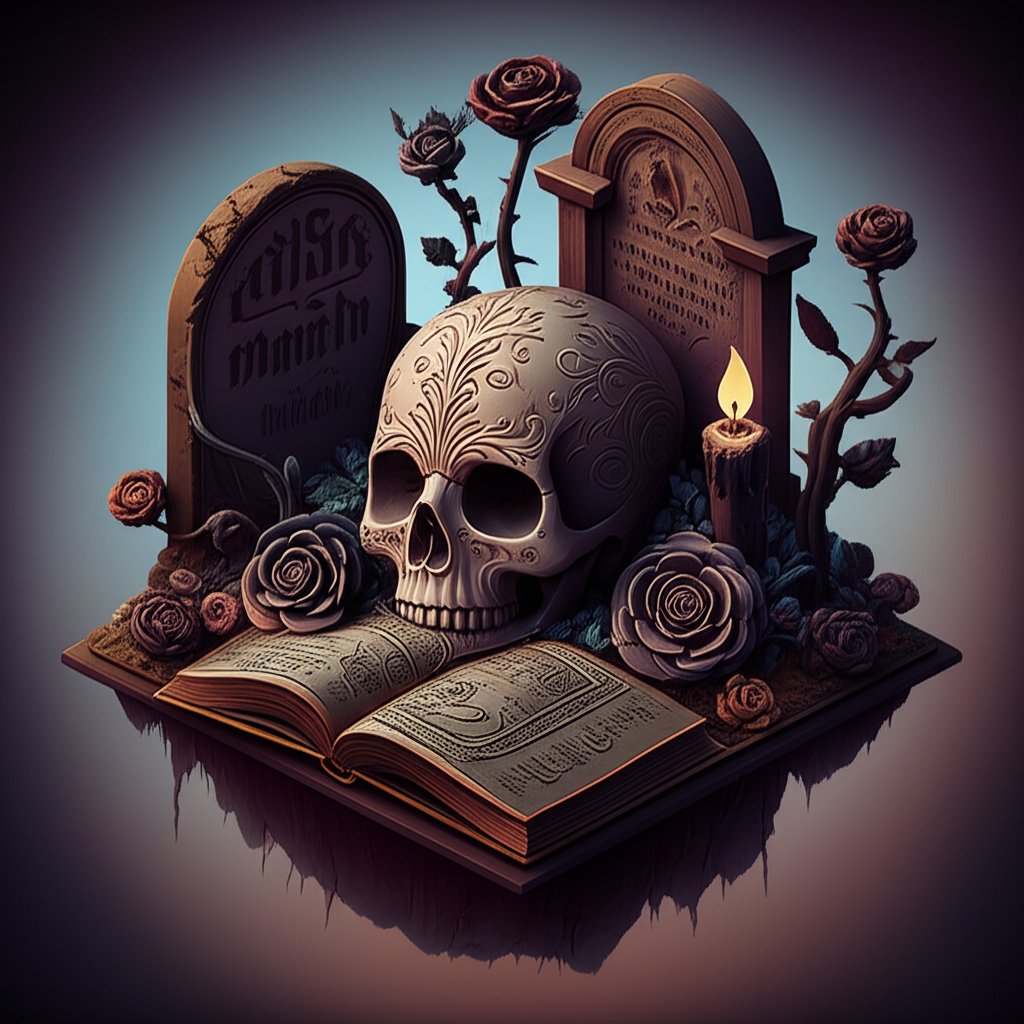
Once confined to gothic novels and mythology textbooks, death names are quietly finding a place on modern birth certificates. Parents today are looking past the cheerful and familiar, seeking names with gravity, history, and a touch of defiance. They’re discovering that a name connected to death doesn’t have to be morbid; it can symbolize strength, the beautiful finality of nature, or a deep respect for the cycle of life itself.
This isn’t about shock value. It’s about a search for substance in a world of fleeting trends. Names like Persephone, Tristan, and Lorelei carry the weight of stories—tales of power, sorrow, and transformation that feel more authentic and resonant than many mainstream options.
At a Glance: What You’ll Find Inside
- The “Why” Behind the Trend: Uncover the modern appeal of names with darker, more complex meanings.
- A Spectrum of Darkness: Learn to distinguish between directly morbid names and those with subtle, poetic associations.
- A Practical Naming Framework: Follow a step-by-step guide to choosing a name that is meaningful, not just macabre.
- Beautiful & Strong Examples: Explore vetted names for boys, girls, and gender-neutral options that carry a heavy, beautiful history.
- Navigating Social Reactions: Get practical tips for explaining your unconventional choice to family and friends.
Beyond the Macabre: Why Parents Are Drawn to the Dark
The modern interest in names meaning death isn’t rooted in a fascination with the grim. Instead, it reflects a deeper cultural shift toward embracing complexity and authenticity. Parents are choosing these names for powerful, nuanced reasons that challenge traditional naming conventions.
- A Symbol of Strength and Resilience: Many names associated with death come from powerful mythological figures who governed formidable domains. A name like Morrigan, a Celtic goddess of war and fate, isn’t chosen to invite death, but to invoke her strength and sovereignty. Similarly, Osiris, the Egyptian god of the underworld, also represents resurrection and renewal.
- An Appreciation for the Life Cycle: Names tied to endings, winter, or darkness honor a fundamental truth of nature. Amaya, a Japanese name meaning “night rain” or a Basque name meaning “the end,” can be seen as poetic and calming. It acknowledges that endings are not just necessary, but can be beautiful in their own right.
- A Connection to Story and Art: Literature and mythology are filled with tragic, compelling characters whose names have become iconic. Ophelia and Tristan are steeped in sorrow, but their stories are timeless tales of love and profound human experience. For parents who value art and history, these names offer a connection to a rich cultural tapestry. For a broad look at options from mythology, literature, and global cultures, you can Delve into names meaning death and explore their origins.
- The Quest for Uniqueness: In a sea of common names, a name with a darker backstory stands out. It signals a departure from the ordinary and a choice to embrace a name with an unforgettable story and a distinct personality.
Finding the Right Shade of Dark: A Spectrum of Meaning
Not all death names are created equal. They exist on a spectrum, from the subtly symbolic to the unambiguously direct. Understanding these categories can help you find a name that aligns with your comfort level and intentions.
| Category | Description & Vibe | Examples |
|---|---|---|
| Symbolic & Poetic | These names hint at death through metaphor-darkness, sorrow, finality, or associated symbols like ravens or cypress trees. They are often beautiful-sounding and the most accessible. | Raven, Lola (sorrow), Melanie (dark), Cypress, Orpheus (darkness of night) |
| Literary & Tragic | Drawn from classic literature and opera, these names belong to characters with famously sorrowful fates. They carry a romantic, poignant, and intellectual weight. | Ophelia, Desdemona, Tristan, Werther |
| Mythological & Divine | These names belong to gods, goddesses, and spirits of the underworld or battle. They are powerful, storied, and often complex, representing more than just death itself (e.g., justice, fate, magic). | Persephone, Hades, Anubis, Kali, Odin |
| Direct & Unambiguous | These names have literal meanings tied to death, mortality, or the grave. They are the boldest and most direct choices, leaving no room for interpretation. | Thana (death), Maveth (death), Morta (goddess of death), Claeg (mortal) |
| Most parents exploring this trend gravitate toward the Symbolic and Mythological categories. These names offer depth and a compelling story without the starkness of a literal translation. |
A Practical Guide to Choosing a Name with a Heavy History
If you’re considering a name with a dark or death-related meaning, a thoughtful approach is key. This isn’t just about picking a name you like the sound of; it’s about understanding and owning its full story.
Step 1: Research the Entire Narrative
Go beyond a one-sentence definition. A name’s full story can reveal nuances that make it either perfect or problematic.
- Mini Case Snippet: Persephone vs. Lamia
- Persephone: A Greek name often associated with the Queen of the Underworld. But her full story is one of transformation, power, and the changing of the seasons. She is a symbol of both loss (winter) and renewal (spring). This complexity makes her name compelling and empowering.
- Lamia: In Greek mythology, she was a queen cursed by Hera to become a child-eating monster. While the name sounds beautiful, its core story is one of horrific tragedy and monstrosity. There is little redemptive quality, making it a much more challenging choice for a child.
Always ask: What is this character or concept truly known for? Is there an element of strength, justice, or beauty, or is the story purely one of villainy or suffering?
Step 2: Consider the Sound, Nicknames, and Flow
A name must function in the real world. Say it out loud.
- Does it flow with your last name?
- Are the potential nicknames acceptable? (Persephone might become Sephie or Percy.)
- Is it easy enough to pronounce and spell? A name like Cethlenn (an Irish warrior) might be historically rich but prove a constant frustration in daily life.
Step 3: Prepare Your “Why We Chose It” Story
People will ask. Having a confident, thoughtful answer ready transforms the conversation from a defense into a shared story.
- Instead of: “We just thought it sounded cool.”
- Try: “We chose Osiris because his story is about so much more than death. He represents justice, rebirth, and the cycles of nature, which we found really beautiful.”
Your explanation sets the tone. It shows that your choice was intentional and meaningful, not just a passing fancy for the macabre.
Navigating Reactions: From Grandparents to the Playground
Choosing an unconventional name, especially one linked to death, will likely raise a few eyebrows. Here’s how to handle it with grace.
- Lead with the Positive Meaning. When you announce the name, share the “why” immediately. Frame it around the qualities you want to honor—strength, resilience, a connection to a story you love.
- Acknowledge, Then Reframe. If someone says, “But doesn’t that mean sorrow?” you can respond, “Yes, its root is in sorrow, like in the story of Tristan and Isolde. To us, it represents deep feeling and a love that was legendary.”
- Avoid a Pop Culture Trap. Be mindful of names that are almost exclusively tied to a single, often campy, character. Morticia is a classic example. While she’s a beloved matriarch, the name is inseparable from The Addams Family. This can box a child in, turning their name into a permanent costume.
- Trust Your Instinct. Ultimately, this is your child. If you have done your research, love the name and its story, and feel it’s a gift to your child, that confidence is all that truly matters.
Quick Answers to Common Questions
A few common questions often arise when parents consider death names. Here are some straightforward answers.
Are death names bad luck?
This is a matter of belief, not fact. In many ancient cultures, names held power, and a name meaning death might have been used to ward off evil spirits or to honor the dead. Today, most parents view a name’s meaning as symbolic rather than a literal prophecy. The intention behind the name—honoring strength, a story, or a cycle of nature—is what imbues it with positive or negative energy.
What are some “soft” or subtle death names for a girl?
For parents who want the depth without the overt darkness, symbolic names are a perfect choice. Consider Lorelei (a siren who lured sailors to their doom, but sounds lyrical), Mallory (unfortunate, but has a chic French feel), Adrienne (dark one), or Bronach (sorrowful). These names hint at a deeper story without being explicitly morbid.
Can a name meaning death be positive?
Absolutely. Many names in this category have dual or ultimately positive meanings.
- Amartya (Sanskrit) and Khalida (Arabic) both mean “immortal” or “undying.”
- Athanasius (Greek) means “immortal.”
- Osiris (Egyptian) is a god of death but also of resurrection and life-giving floods.
- Elysium (Greek) is a name for the paradisiacal afterlife, focusing on peace after death.
Is it okay to use a name from a mythology I don’t belong to?
This requires careful thought and respect. It’s crucial to research the name’s significance within its source culture. Is it a sacred name reserved for certain contexts? Does it have meanings or associations you might be unaware of? If the name is from a closed practice or a marginalized culture, it’s often best to choose an alternative. However, names from widely studied mythologies (like Greek, Roman, or Norse) are generally considered part of a shared global heritage and are more commonly used.
Your Final Decision
Choosing a death name is a bold, deliberate act. It’s a rejection of the simple and sunny in favor of the profound and complex. This path isn’t for everyone, but for the right family, a name like Cain, Kali, or Jolon isn’t a shadow to live under—it’s a foundation of strength, story, and unforgettable identity.
The right name for your child is the one that resonates with your values. If that means choosing a name that acknowledges life’s deepest truths, including its end, then you’re giving your child a powerful narrative to carry with them from their very first day.

- Find Guardian Names That Mean Protector For Your Baby - April 2, 2026
- Powerful Names That Mean Protector Girl for Your Future Leader - April 1, 2026
- Choosing Names That Mean Guard for Your Little One - March 31, 2026