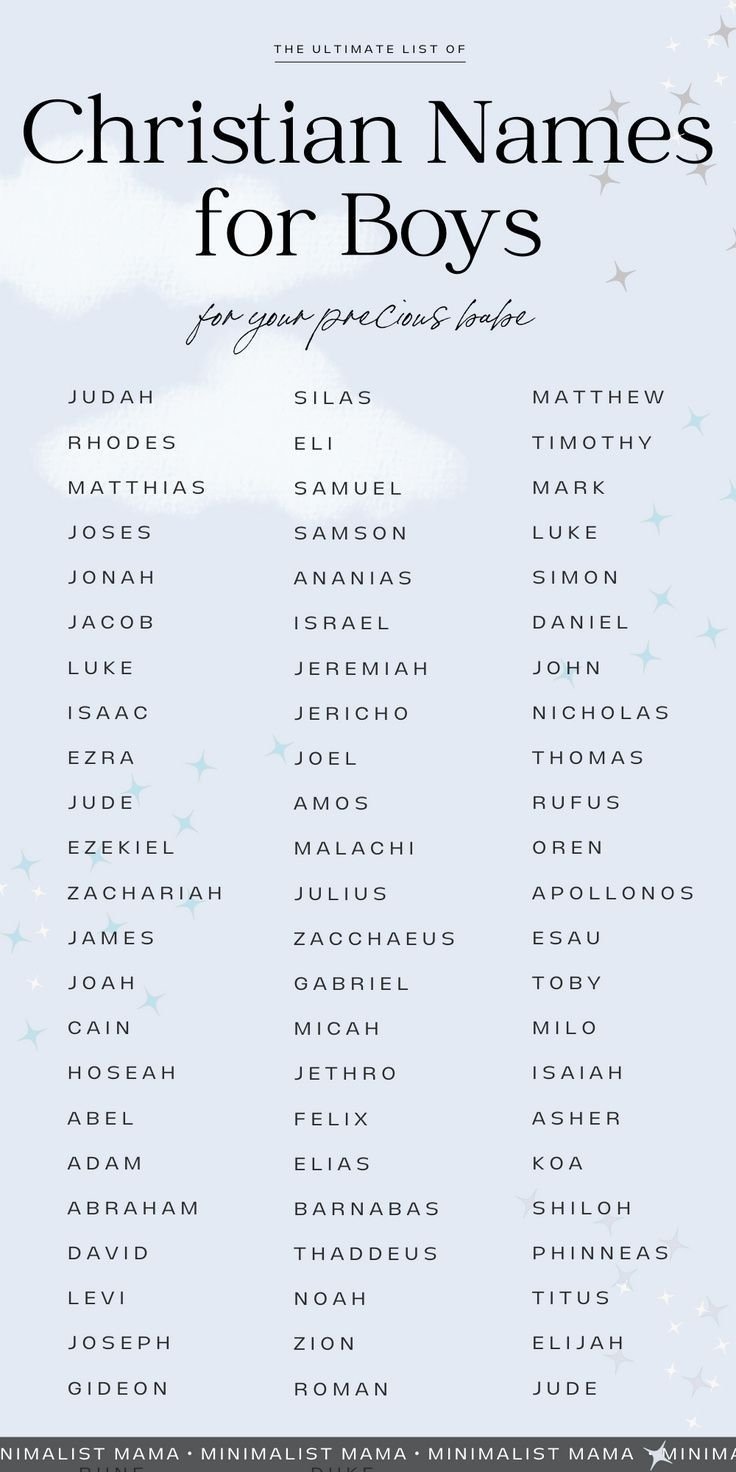
The enduring appeal of male Bible names isn’t just a trend; it’s a testament to the timeless values and profound legacies they carry. In an age seeking deeper meaning, choosing a biblical name for your son offers far more than just a label—it’s an intentional gift of identity, strength, and connection to a rich historical tapestry. These aren’t merely ancient monikers; they are powerful affirmations of character, faith, and the universal virtues parents hope to instill.
At a Glance
- Discover Names with Depth: Explore male Bible names categorized by the specific virtues they represent: leadership, resilience, joy, and faith.
- Unpack Historical Significance: Understand the stories and characters behind each name, adding layers of meaning for your son.
- Navigate Modern Choices: Learn how to balance classic appeal with unique options, considering sound, flow, and potential nicknames.
- Make an Informed Decision: Gain practical steps for selecting a name that genuinely resonates with your family’s values and aspirations.
- Address Common Concerns: Find clear answers to frequently asked questions about religious context, uniqueness, and connotations.
Beyond the Familiar: Why Male Bible Names Endure
Male Bible names are experiencing a powerful renaissance, drawing parents who desire more than just a pleasant sound. These names offer a profound connection to thousands of years of history, reflecting universal human desires for meaning, courage, faith, and resilience. They transcend purely religious connotations, resonating instead with core values like kindness, wisdom, and perseverance. Opting for such a name provides a timeless legacy, rooted in narratives of strength and character found in both the Old and New Testaments.
For a broader exploration of these choices, including their cultural impact and growing popularity, you can delve into the comprehensive guide on Biblical names for your son. This article, however, will focus intensely on the specific depth and implications of male biblical names, equipping you with the nuance needed for this important decision.
Decoding Depth: Powerful Meanings in Every Name
Choosing a biblical name is less about picking from a list and more about selecting a narrative. Each name comes with a story, a character, or a divine promise. Understanding these narratives helps you select a name that doesn’t just sound good but actively inspires.
Names Reflecting Leadership & Guiding Spirit
Many biblical figures embody leadership, whether through divine mandate, unwavering conviction, or strategic wisdom. These names often signify a guiding presence, strength of character, and a call to purpose.
- Aaron: Meaning “The first high priest of the Israelites,” Aaron symbolizes eloquence and leadership. Choosing Aaron implies a balance of strength and gentle guidance, a faithful presence.
- Abraham: A patriarchal classic meaning “Father of many” or “Exalted father.” This name conveys ethics, trust, and humility, reflecting a faithful leader who trusted God’s covenant against all odds.
- Andrew: A popular New Testament name signifying pure dedication and strong ethics. An Andrew often possesses a bold energy and a natural ability to lead, much like the apostle himself.
- Augustus: Though a Roman emperor, Augustus is mentioned in the Bible and symbolizes successful leadership, transforming Rome and restoring peace. Boys named Augustus are often seen as strong leaders with a focus on ethical success.
- Bohan: This name is tied to creating boundaries for peace. A “Bohan” is often a born leader and peacekeeper, respected for a level-headed outlook and strong ethics.
- Daniel: Meaning “God is my judge,” this name signifies steadfast wisdom and conviction, guided by prayer. Daniel’s story exemplifies integrity under pressure.
- David: “Beloved,” the shepherd king whose heart reflected devotion and trust. David represents a blend of humility, courage, and profound connection to the divine.
- Moses: Meaning “Drawn out,” Moses was a leader of extraordinary faith and courage, guiding his people through immense challenges. A Moses often inspires trust and resilience.
- Joshua: “The Lord is salvation,” Joshua was a strong and faithful leader who trusted God’s promise implicitly. This name implies determination and a pioneering spirit.
Names Embodying Courage & Resilience
Biblical stories are filled with figures who faced immense adversity with unwavering courage and faith. Names tied to these narratives offer a profound sense of inner strength and perseverance.
- Anak: An Old Testament name, ancestor of giants, it speaks of immense strength of character, power, and endurance. Boys named Anak often possess a secure and tough leadership quality.
- Azriel: Meaning “God is my help,” Azriel is associated with destroying Hebrew enemies, implying a fearless approach to life and calm confidence.
- Barak: Meaning “Blessed,” Barak humbly allowed Deborah to take the glory in victory. This name suggests strength and boldness tempered with humility.
- Caleb: “Wholehearted,” Caleb was a man of immense courage and steadfast faith. His story is one of loyalty and trusting God’s promises.
- Gideon: Meaning “Mighty in faith,” Gideon was known for his trust in God’s guidance, even when facing overwhelming odds.
- Job: A name meaning “Persecuted,” Job’s story is the ultimate testament to endurance, patience, and unshakable faith in suffering.
- Othniel: “Strength of God,” Othniel was a judge known for his steady and resolute nature, filled with trust and purpose.
- Peter: Meaning “Rock,” Peter was steadfast and strong, standing firm in his belief even after moments of doubt. A “Peter” is often seen as reliable and foundational.
- Silas: “Man of the forest,” Silas was a loyal and devoted companion, embodying quiet strength and reliability in challenging journeys.
Names Radiating Joy & Abundance
Beyond trials and leadership, the Bible also celebrates blessings, happiness, and prosperity. These names often bring a sense of light, gratitude, and a positive outlook.
- Asher: Meaning “Happy,” Asher was promised a life of blessings and abundance. This name is gentlemanly, suited for cheerful and positive individuals who emphasize strong family ties.
- Arnan: A biblical name evoking joy, happiness, and energy. It’s associated with quick-thinking and passionate individuals.
- Gad: Meaning “Fortune,” Gad is a joyful and bright name, symbolizing abundance and blessing in life.
- Haggai: Meaning “Festive,” this name suggests gratitude and celebration, bringing a joyful spirit.
- Isaac: “Laughter,” Isaac’s birth was a joyful reminder of faith fulfilled and promises kept, even in old age. A powerful symbol of divine promise and joy.
- Jair: Meaning “He shines,” Jair is cheerful and bright, representing a joyful spark of faith.
- Jamin: Meaning “Right hand,” Jamin is cheerful and confident, a joyful nod to strength and faith.
- Lior: “My light,” Lior is radiant and uplifting, shining with hope and clarity. A name that suggests inner brightness.
- Maor: Meaning “Light,” Maor is radiant and rare, perfect for a distinctive beacon of optimism.
- Ronen: “Song of joy,” Ronen is melodic and light, celebrating life and faith through music and happiness.
- Ziv: Meaning “Radiance,” Ziv is luminous and full of spirit, glowing with optimism and vitality.
Names Rooted in Faith & Divine Connection
Many male Bible names directly refer to God, divine grace, or a deep spiritual purpose. These names instill a sense of sacredness and a connection to something greater.
- Abel: Meaning “Breath,” Abel represents reverence to God and innocent suffering. It embodies gentleness and sincerity.
- Amos: Meaning “Carried by God,” Amos was a prophet known for wisdom and foresight. This name implies steadfastness, truth, and humility.
- Ariel: A powerful name meaning “God is my help,” symbolizing strength, courage, and royalty. It’s suited for those who prioritize family, love, and commitment.
- Barnabas: Renamed “Son of Consolation,” Barnabas aided the poor, signifying compassion and encouragement.
- Bartholomew: An important authoritative leader who witnessed Jesus’ ascension. This name carries deep Christian roots and significance.
- Benjamin: “Son of the right hand,” symbolizing blessing, love, and faithfulness. Benjamin was fierce in battle, representing powerful confidence rooted in divine favor.
- Eli: Meaning “Ascended,” Eli is simple, strong, and represents faith and guidance.
- Elijah: “My God is Yahweh,” Elijah was a devoted prophet whose belief never wavered, a symbol of unwavering spiritual conviction.
- Emmanuel: Meaning “God,” this name directly connects to the divine presence and salvation, offering a profound spiritual anchor.
- Enoch: “Dedicated,” Enoch was faithful and true, walking with God. This name bridges past and present with quiet devotion.
- Ezekiel: Meaning “God strengthens,” Ezekiel represents vision, wisdom, and quiet resilience. Its modern form, Zeke, is relaxed yet strong.
- Hezekiah: “God gives strength,” Hezekiah was a wise and faithful king who trusted in divine guidance.
- Hosea: “Salvation,” Hosea is a symbol of redemption and steadfast love, reflecting God’s enduring faithfulness.
- Ishmael: “God listens,” Ishmael’s name speaks of patience and divine attention, a powerful reminder of prayer.
- Jesse: Meaning “Gift,” Jesse is graceful and enduring, tied to the roots of faith and a rich legacy as King David’s father.
- Joel: “The Lord is God,” Joel is calm, centered, and a reflection of spiritual strength and prophetic insight.
- John: “God is gracious,” John is one of the most enduring names of faith and compassion, reflecting divine favor and benevolence.
- Joseph: “God will add,” Joseph’s story is one of patience, kindness, grace, and perseverance through adversity, ultimately leading to provision.
- Judah: Meaning “Praise,” Judah celebrates gratitude, strength, and devotion to God.
- Levi: “Joined in harmony,” Levi symbolizes loyalty, steadfastness, and a sense of unity and purpose, especially in service.
- Malachi: “My messenger,” Malachi was faithful and purposeful, bringing words of hope and truth. Malakai is a modern twist.
- Micah: “Who is like God,” Micah was humble in heart yet strong in conviction, a name reflecting a deep understanding of divine power and mercy.
- Nathan: “He gave,” Nathan symbolizes generosity and grace, often associated with a prophet who spoke truth to power.
- Nathaniel: “Gift of God,” Nathaniel was sincere and humble, admired for his honest faith.
- Nehemiah: “Comforted by God,” Nehemiah was a leader devoted to rebuilding, showing faith and perseverance in service.
- Obadiah (and Obed): Both meaning “Servant of God,” these names signify humility in spirit and devotion in purpose.
- Paul: “Humble,” Paul was steadfast and enduring, remembered for his devotion and teaching, transforming from persecutor to apostle.
- Samuel: “Heard by God,” Samuel was a faithful servant whose prayers shaped a nation, representing a deep connection to divine communication.
- Simeon: “God has heard,” Simeon is a name of gratitude, reflection, and devotion, representing the fulfillment of divine promises.
- Tobias (and Tobin): “God is good,” Tobias is bright and friendly, filled with kindness and hope. Tobin blends faith with approachability.
- Uri: “My light,” Uri is short and bright, filled with warmth and clarity, symbolizing divine illumination.
- Zechariah: “The Lord remembers,” Zechariah is a name of promise and enduring faith, a reminder of God’s covenant.
- Zedekiah: “God is my righteousness,” a noble name rooted in strength and faith, representing justice and divine alignment.
- Zuriel: “My rock is God,” Zuriel is powerful and poetic, filled with spiritual depth and unwavering trust.
Rare Gems with Ancient Resonance
For parents seeking something truly distinctive, the Bible offers many less common names that still carry profound meaning and ancient charm. These names can stand out while remaining deeply rooted.
- Artemas: Paul’s companion, Christian boys named Artemas are dependable, responsible, and embody companionship with a down-to-earth approach.
- Beno: A strong-sounding name speaking of tradition and culture, suitable for parents praying for a son.
- Buz: An Old Testament name, potentially meaning “to hold to a higher standard” or to consistently achieve greatness.
- Dathan: Meaning “Fountain,” Dathan is rare and refreshing, filled with life and meaning.
- Eber: “Beyond,” Eber is ancient and rare, carrying deep historical roots and a sense of reaching further.
- Elan: Meaning “Tree,” Elan is simple and serene, symbolizing stability and life, a gentle yet firm choice.
- Elkanah: “God has created,” Elkanah is graceful and enduring, a name of purpose and faith, yet uncommon enough to be unique.
- Elon: “Oak tree,” Elon is steady and grounded, a symbol of wisdom and endurance, often found in nature-inspired choices.
- Elroi: “God who sees me,” Elroi is deeply personal and full of quiet strength, a unique testament to divine watchfulness.
- Gamaliel: “Reward of God,” Gamaliel is thoughtful and composed, linked to wisdom and grace, a distinguished and rare option.
- Ibzan: “Splendid,” Ibzan is vibrant and distinct, full of character and ancient charm.
- Ithamar: “Island of palms,” Ithamar is soft and lyrical, evoking calm and renewal, a gentle yet strong choice.
- Jabez: “Sorrow turned to blessing,” Jabez reflects prayer and transformation, a powerful story in a less common name.
- Jadon: “Thankful,” Jadon is bright and balanced, youthful, and full of grace, offering a cheerful uniqueness.
- Jehu: “The Lord is He,” Jehu is short, direct, and full of conviction, a concise statement of faith.
- Jericho: “City of the moon,” Jericho is distinctive and bold, standing out with effortless strength and historical weight.
- Jeshua: “The Lord is salvation,” Jeshua is a strong, sacred variant of Joshua with gentleness, offering a slightly different sound.
- Jethro: “Excellence,” Jethro was wise and gracious, known for his insight and calm spirit, a distinguished and uncommon choice.
- Kedar: “Dark,” Kedar is smooth and melodic, filled with quiet mystery and strength, an evocative and rare pick.
- Kenan: “Possession,” Kenan is humble and enduring, tied to heritage and faithfulness, a solid and unique option.
- Maaz: “Refuge,” Maaz is brief and rare, symbolic of protection and peace, a strong, short name.
- Micaiah: “Who is like God,” Micaiah is rare and radiant, brimming with faith and strength, yet distinct from Micah.
- Nahor: “Snorting,” Nahor is ancient and uncommon, carrying ancestral strength and a rugged appeal.
- Nimrod: “Skillful,” Nimrod is bold and confident, tied to ambition and drive, though sometimes used with caution due to cultural associations.
- Noam: “Pleasantness,” Noam is soft and warm, bringing peace and comfort, a gentle and appealing rare name.
- Og: “Mighty,” Og is rare and unforgettable, a name that feels bold and firm, reflecting immense power.
- Omri: “My sheaf,” Omri is short and refined, offering ancient depth with modern flair, a subtle, strong choice.
- On: “Strength,” On is concise and powerful, full of purpose and resilience, making a strong statement in one syllable.
- Oren: “Pine tree,” Oren is grounded and calm, a symbol of peace and growth, a natural and uncommon choice.
- Peleg: “Division,” Peleg is ancient and symbolic, rooted in the story of generations and unique for its historical context.
- Phineas: “Oracle,” Phineas was upright and devoted, guided by conviction, a name of integrity and distinction.
- Ram: “High or exalted,” Ram is short, simple, and full of presence, a powerful, concise name.
- Salem: “Peace,” Salem is simple and grounded, carrying calmness and grace, a serene and unique choice.
- Saul: “Prayed for,” Saul is a determined name tied to leadership and renewal, offering a powerful historical narrative.
- Sethur: “Hidden,” Sethur is mysterious and meaningful, linked to faith and discovery, a truly unique gem.
- Shai: “Gift,” Shai is short and sweet, filled with gratitude and meaning, a warm and uncommon pick.
- Shem: “Name or fame,” Shem is simple and strong, known for legacy and faith, concise and impactful.
- Shobal: “Flowing,” Shobal is ancient and distinctive, tied to legacy and endurance, a rare and evocative choice.
- Talmai: “Plowman,” Talmai is warm and grounded, with an earthy, timeless charm, a name of honest work and heritage.
- Thaddeus: “Heart or courage,” Thaddeus is gentle yet confident, filled with trust and faith, a distinguished and less common option.
- Uz: “Counsel,” Uz is brief yet wise, reflecting insight and discernment, a powerful, short name.
- Zair: “Small but mighty,” Zair is rare and stylish, giving ancient roots a modern rhythm, a compelling blend.
- Zane: “Gift from God,” Zane is brief, strong, and effortlessly modern, a popular choice that remains distinct.
- Zebulun: “Dwelling,” Zebulun is a strong, grounded name with quiet beauty, offering a sense of home and stability.
- Zevi: “Deer,” Zevi is rare and tender, evoking peace and gentleness, a soft and beautiful biblical name.
- Zuph: “Honeycomb,” Zuph is short and sweet, connected to provision and faith, a truly unique and charming option.
Crafting Your Son’s Legacy: A Practical Playbook
Choosing a name is a significant decision. Beyond the meaning, consider how the name will fit into your son’s life.
1. Considering Sound and Flow
- With the Last Name: Say the full name aloud. Does it flow well? Are there any awkward rhymes or tongue-twisters? For example, “Aaron Davis” sounds classic, while “Anak Smith” might be more assertive.
- Nickname Potential: Many biblical names offer diverse nickname possibilities. “Ezekiel” can become “Zeke,” “Jonathan” can be “Jon,” or “Benjamin” can be “Ben.” Think about whether you prefer traditional or more unique nicknames, or if you want a name that stands strong on its own.
- Pronunciation & Spelling: While many biblical names are familiar, some rare ones might require frequent corrections. Consider if you’re comfortable with that.
2. Balancing Popularity and Uniqueness
- Classic Choices: Names like David, John, and Joseph are perennially popular for a reason—they are timeless and universally recognized, offering a sense of stability.
- Rising Stars: Names like Asher, Noah (not on our list, but a good example), or Levi have seen a surge in popularity, striking a balance between familiar and fresh.
- Truly Unique Options: Diving into the “rare gems” section offers names like Dathan, Omri, or Zevi. These provide distinctiveness, ensuring your son’s name stands out and sparks conversation. If you choose a rare name, be prepared for more questions about its origin and meaning.
3. Researching the Full Story
Don’t stop at the meaning. Take a moment to read the biblical account of the person carrying that name.
- Positive Connotations: Names like “Joseph” (patience, perseverance) or “Caleb” (wholehearted faith) are widely admired.
- Complex Characters: While names like “Cain” (meaning “Acquired”) have a strong historical presence, his story of fratricide often makes it a name parents approach with caution, if at all. Understanding the full narrative is key to making an informed choice and being prepared to discuss it.
4. Family Conversations and Shared Values
This decision impacts your whole family. Involve your partner in discussions about which names resonate most deeply.
- Shared Meaning: Discuss what specific values—courage, kindness, wisdom, faith, joy—you hope the name will reflect for your son.
- Family Heritage: Does the name honor a family member or a specific tradition? Sometimes a biblical name can carry double significance.
Quick Answers: Your Male Bible Name FAQs
Q: Are male Bible names always religious?
A: While originating from religious texts, many male Bible names have transcended purely religious contexts. Names like Adam, Noah, David, or Daniel are widely accepted and used by families of all backgrounds who appreciate their historical depth, strong meanings, and classic appeal, rather than strictly for religious adherence.
Q: How do I avoid choosing a name with a negative connotation?
A: The key is to research the full story behind the name, not just its meaning. For example, while “Cain” means “acquired” and speaks to beginnings, its association with the first murder often makes parents reconsider. If a biblical figure has a widely known negative narrative, weigh whether the name’s inherent qualities outweigh its controversial history. Most commonly chosen biblical names come from revered figures, minimizing this concern.
Q: Can I use a biblical name even if I’m not religious?
A: Absolutely. Many male biblical names are celebrated for their strong historical roots, timeless appeal, and powerful meanings that reflect universal human values like strength, wisdom, and leadership. Their use often signifies an appreciation for history and profound character, not necessarily religious affiliation.
Q: What about unique or less common biblical names?
A: Unique biblical names like Elkanah, Ibzan, or Zair offer a distinct identity while still being rooted in rich heritage. The benefit is individuality; the minor drawback might be needing to clarify pronunciation or origin occasionally. However, for many, the uniqueness and depth are well worth it.
Q: How important are nicknames?
A: Nicknames are often a natural evolution of a name. Considering potential nicknames during the selection process can be helpful. A longer biblical name like Zechariah might naturally become “Zack,” while a shorter name like “Eli” or “Joel” might not lend itself to a nickname, which is perfectly fine too. Ensure you like both the full name and any likely short forms.
Choosing with Purpose: Your Next Steps
Selecting a name for your son is a profound act of love and intention. By delving into the rich meanings and legacies of male Bible names, you’re not just picking letters; you’re imbuing his identity with history, virtue, and inspiration.
- Prioritize Meaning: Start by listing the virtues you most want to instill in your son (e.g., courage, kindness, faith, wisdom).
- Explore Categories: Review the name categories above that align with your prioritized meanings.
- Test the Sound: Say your top choices aloud with your last name. Consider flow and any potential nicknames.
- Deep Dive: Research the full biblical story of your favorites. Are there any aspects that give you pause or strengthen your conviction?
- Seek Consensus: Discuss your top picks with your partner, ensuring both of you feel a deep connection to the chosen name.
By following these steps, you’ll choose a name that is not only beautiful but also a daily reminder of the powerful legacy and profound meaning you’ve bestowed upon your son.

- Male Bible Names With Strong Meanings And Lasting Legacy - November 2, 2026
- Choosing Christian Boy Names With Deep Meanings And Origins - November 1, 2026
- Biblical Male Names for Boys with Strength and Meaning - October 31, 2026