When you set out to define Liam, you’re not just looking up a dictionary entry for a name; you’re delving into a compelling narrative of ancient Germanic roots, Irish adaptation, and an unprecedented modern surge in popularity. This seemingly simple, two-syllable name carries layers of history and meaning, making it a powerful choice for countless families today.
At a Glance: Understanding Liam’s Essence
- Meaning: “Resolute protector” or “helmet of will,” reflecting strong, determined qualities.
- Origin: An Irish short form of William, itself derived from the Old Germanic Willahelm.
- Journey: Adapted from “Uilliam” in Ireland, its global rise began with 19th-century Irish emigration.
- Popularity: The number one boy’s name in the US since 2017, and a top contender globally.
- Perception: Blends a friendly, approachable feel with a history of strength and tradition.
- Modern Status: Now firmly established as a full, independent name, not just a nickname.
Deconstructing “Liam”: The Core Meaning of a Resolute Protector
At its heart, the name Liam is a testament to unwavering strength and guardianship. It’s an Irish short form of William, which traces its lineage back to the Old Germanic name Willahelm. This Germanic root provides the key to Liam’s enduring meaning.
Willahelm is a compound name, expertly crafted from two powerful elements: “Willa,” signifying “will,” “desire,” or “resolution,” and “Helm,” meaning “helmet,” “protection,” or “guardian.” When fused, these elements gift Liam with its profound interpretations: “helmet of will,” “resolute protector,” or “determined protector.” It’s a name that inherently speaks to a strong, protective spirit, someone who stands firm in their convictions. Unsurprisingly, Liam has always been, and remains, an overwhelmingly masculine name, embodying these robust traits.
The Emerald Isle’s Adaptation: From Willahelm to Liam
The journey of Liam from a distant Germanic name to a beloved Irish staple is a fascinating tale of linguistic evolution and cultural adoption. The original Willahelm made its way to England with the Norman invasion in 1066, where it became known as Guillaume.
It was in Ireland that the name truly began its transformation into what we recognize today. The Irish, with their unique linguistic flair, adapted Guillaume into Uilliam. Over time, as often happens with names spoken daily, Uilliam was affectionately shortened. This natural linguistic progression gave birth to Liam, a concise and resonant version that quickly embedded itself into the Irish naming tradition. While initially contained within the island, Liam’s reach expanded dramatically during the 19th-century Potato Famine, when massive Irish emigration carried the name across oceans, planting its seeds in new lands.
Why Liam Reigns Supreme: Unpacking Its Modern Appeal
The ascent of Liam to the pinnacle of baby name charts is nothing short of remarkable. Barely cracking the US Top 400 in 1990, it soared into the Top 100 by 2006, and by 2017, it famously dethroned Noah to become the number one boy’s name in America. This isn’t a fleeting trend; Liam has steadfastly held that top spot for roughly eight consecutive years, with over 20,000 boys receiving the name annually.
This meteoric rise isn’t confined to the States. Liam found significant popularity in the UK starting in the 1980s and is now a bona fide global favorite, ranking highly in diverse countries like Sweden, Germany, Ireland, Italy, Israel, Chile, and Croatia. While some data suggests it might be showing slight signs of plateauing after its incredible run, Liam remains a modern classic, firmly entrenched in the top tier of names parents consider. To understand more about this incredible journey and its broader context, you might want to Discover Liam’s roots and popularity.
The name’s enduring appeal lies in a unique blend of characteristics. Parents consistently perceive Liam as short, sweet, strong, and approachable. It manages to strike a perfect balance, offering the friendly vibe of a “neighbor next door” while also echoing the rugged history of high kings and valiant warriors. Its sound is soft and inviting due to its vowel-heavy structure (LEE-uhm), yet it carries an undeniable historically masculine weight. This makes Liam particularly attractive to parents seeking a name that feels traditional without being stuffy, and cool without being transient or overly trendy. It’s a name that feels both fresh and timeless, which is a rare and powerful combination.
More Than Just a Name: Liam’s Broader Identity
Beyond its etymology and popularity, Liam has cultivated a distinct identity, shaped by cultural associations and the notable individuals who bear it. Its concise, memorable nature contributes to its modern perception as a name with depth.
The Vibrations of Numerology: In the realm of numerology, Liam is often associated with the number 9. This number carries significant meaning, symbolizing humanitarianism, compassion, and a deeply socially conscious nature. Individuals with a life path number 9 are often seen as old souls, driven by a desire to serve others and make the world a better place. This adds another layer of profound, empathetic meaning to the name Liam, suggesting a person with a broad perspective and a caring heart.
Faces of Fame and Fiction: The cultural footprint of Liam is further expanded by a strong presence in entertainment and popular culture.
- In Film: Northern Irish actor Liam Neeson (born 1952) is perhaps one of the most widely recognized Liams, known for his commanding presence and versatile roles, from historical dramas to action thrillers. Australian actor Liam Hemsworth (born 1990), known for The Hunger Games series, brings a youthful, dashing energy to the name.
- In Music: The music world boasts British rock icons like Liam Gallagher (born 1972), the distinctive voice of Oasis, and Liam Payne, a former member of the global phenomenon One Direction, who further cemented the name’s place in contemporary culture.
- In Fiction: Liam also finds a place in fictional narratives, appearing as characters like Liam Dunbar in the popular supernatural series Teen Wolf and Liam Spencer in the long-running soap opera The Bold and the Beautiful. These portrayals continue to embed the name into the collective consciousness, giving it a familiar and relatable quality.
These diverse associations reinforce Liam’s versatile nature—a name that can convey both gravitas and charm, intensity and accessibility.
Navigating Liam: Practical Considerations for Parents
Choosing a name is a significant decision, and understanding all the facets of Liam can help parents make an informed choice. Its simplicity belies a richness of options and considerations.
The Standard Sound: The pronunciation of Liam is straightforward and consistent: LEE-uhm. This ease of pronunciation is a big plus for its global appeal, as it translates well across different languages and accents without much confusion.
Nicknames and Variations: While Liam itself began as a short form of William, it has long since evolved into a full, recognized name in its own right. However, if further diminutives are desired, or if it’s used as a more informal option, affectionate short forms include Lee, Li, Lad, Will, Li-Li, Lio, and even Lime. For those interested in the broader family tree of names from which Liam springs, variations of William include:
- Uilliam (Irish Gaelic)
- Gwilym (Welsh)
- Guillaume (French)
- Wilhelm (German)
- Willem (Dutch)
- Guglielmo (Italian)
Perfect Pairings: Middle and Sibling Names: Liam’s classic yet modern vibe makes it incredibly versatile for pairing. - Middle Names: It complements a wide range of middle names, from traditional to contemporary. Popular choices include Liam Alexander, Liam Michael, Liam Patrick, or Liam Grey. Its conciseness allows a longer or more ornate middle name to shine.
- Sibling Names: For families looking for names that resonate well together, Liam pairs beautifully with other popular and strong names.
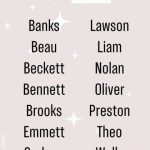
- For a Brother: Noah, Owen, Ethan, Oliver, or Lucas all share a similar approachable yet classic feel.
- For a Sister: Charlotte, Aria, Elizabeth, Eva, or Isla offer a blend of sweetness and strength that harmonizes with Liam.
Exploring Alternatives: If the widespread popularity of Liam (being the #1 name) gives you pause, but you love its essence, there are excellent alternatives that offer a similar vibe without the top-ranking status. Consider names like Leo, Levi, Finn, Elijah, Luke, Ian, Julian, or Milo. Each carries a touch of that short, strong, and friendly quality.
Feminine Echoes: While Liam is distinctly masculine, parents seeking a feminine name with a sonic or etymological connection might explore Lia, Liana, or even the more traditional Williamina (which directly links to William).
Patron Saints: There isn’t an explicit “Saint Liam” in the traditional sense. However, as a derivative of William, Liam shares patronage with the various Saints William. Most notably, this includes Saint William of York and Saint William of Rochester, offering a historical and spiritual connection for those who value it.
Quick Answers: Dispelling Common Liam Myths
When defining Liam, it’s helpful to clarify some common questions and clear up misconceptions.
Is Liam a full name or just a nickname?
While Liam originated as a short form of William, it is now unequivocally recognized and used as a full, independent name. It stands on its own, with its own rich identity.
What is the origin of Liam?
Liam is an Irish short form of William. William itself comes from the Old Germanic name Willahelm, making Liam’s roots both Germanic and Irish.
What does Liam mean?
Drawing from its Old Germanic components, Liam commonly means “resolute protector” or “helmet of will.” It embodies a sense of strong, determined guardianship.
Is Liam a popular name?
Yes, Liam is exceptionally popular. It has been the number one boy’s name in the United States since 2017 and consistently ranks among the top names globally in many countries.
Are there any famous Liams?
Absolutely. Notable Liams include actors Liam Neeson and Liam Hemsworth, and musicians Liam Gallagher and Liam Payne.
Your “Define Liam” Playbook: Choosing With Confidence
Defining Liam ultimately means understanding its multifaceted appeal. It’s a name that effortlessly bridges the gap between ancient lineage and modern chic. For parents, choosing Liam means opting for a name that is both instantly recognizable and deeply meaningful, carrying the legacy of a “resolute protector” into the present day.
Whether you’re drawn to its Irish charm, its Germanic strength, its unparalleled popularity, or simply its short and sweet sound, Liam offers a compelling package. It’s a testament to how a name can evolve over centuries, maintaining its core strength while adapting to become a timeless favorite. In a world of fleeting trends, Liam stands firm—a strong, approachable, and enduring choice.

- Waspy Names Reveal Old Money, Ivy League Connections - October 22, 2026
- Preppy Male Names Are Classic Choices For A Sophisticated Son - October 21, 2026
- Discover Classic Preppy Guy Names for Your Little Gentleman - October 20, 2026