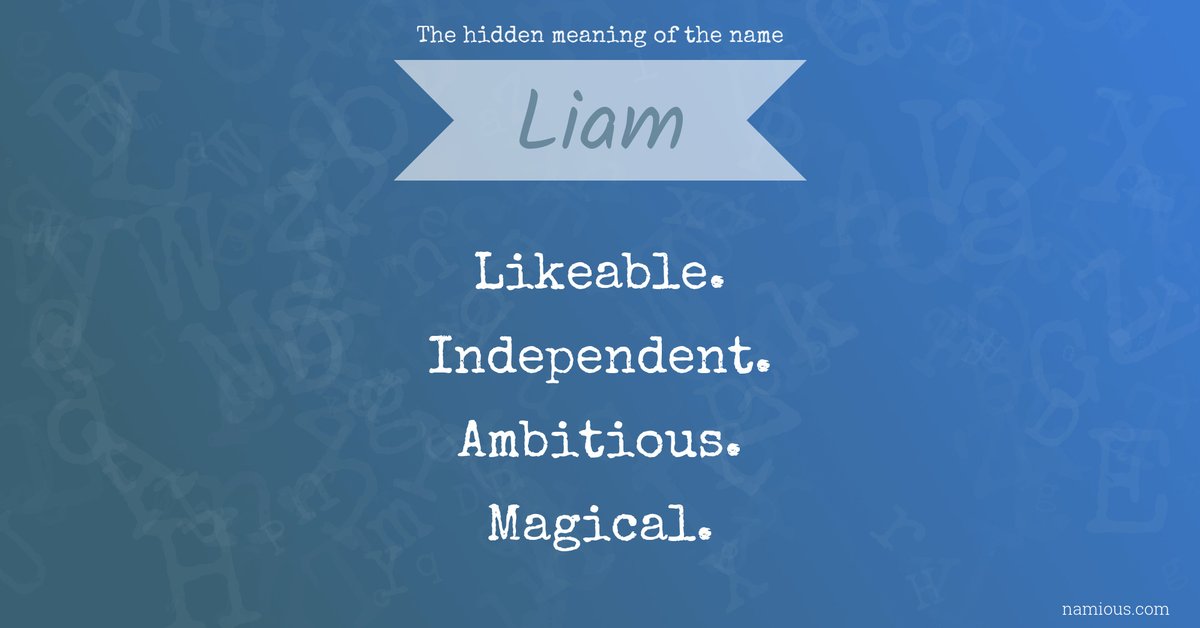
Is the name Liam just a catchy, modern choice, or does it carry a deeper, more historic weight? When you dig into the definition of the name Liam, you uncover a meaning steeped in strength, resolve, and protection, echoing an ancient warrior heritage that has resonated across centuries and continents. This seemingly simple, two-syllable name is a compact powerhouse, representing a lineage of determination and guardianship, values that continue to appeal to parents worldwide.
At a glance: Liam’s Definitive Insights
- Core Meaning: “Strong-willed warrior,” “resolute protection,” or “determined protector.”
- Linguistic Roots: An Irish short form of William, tracing back to the Old German “Willahelm.”
- Etymological Breakdown: Derived from “willa” (will, desire, resolution) and “helma” (helmet, protection, guardian).
- Cultural Significance: Embodies qualities of leadership, resilience, and care for others.
- Popularity Driver: Its powerful yet approachable definition contributes to its global appeal.
- Naming Implications: Offers a strong foundation for character, often influencing parental choice.
Unpacking the Core Definition of Liam: A Legacy of Resolve and Protection
At its heart, the name Liam is a distillation of power and purpose. To truly grasp the definition of the name Liam, we must journey back to its linguistic bedrock: the Old German name Willahelm. This ancient compound name isn’t just a collection of sounds; it’s a statement of intent, a descriptor of character.
“Willahelm” is meticulously crafted from two distinct Germanic elements: “willa” and “helma.” The first component, “willa,” speaks to concepts like will, desire, and an unshakeable resolution. It implies an inner drive, a force of personality that directs action and commitment. This isn’t just a casual wish but a deeply seated determination. The second component, “helma,” is equally evocative, translating to “helmet,” “protection,” or “guardian.” It brings to mind images of defense, security, and a watchful presence. Put these two elements together, and the meaning of Willahelm—and by extension, Liam—comes into sharp focus.
Liam, therefore, means “strong-willed warrior,” a “resolute protection,” or a “determined protector.” It paints a picture of someone who not only possesses an inner strength and unyielding resolve but also channels that power into safeguarding what they hold dear. It’s a name that signifies someone who stands firm, protects their own, and acts with conviction. This isn’t merely a passive meaning; it’s an active, dynamic identity.
From Ancient German to Irish Charm: Liam’s Linguistic Evolution
The journey from the Old German “Willahelm” to the contemporary “Liam” is a fascinating linguistic tale, deeply intertwined with historical shifts and cultural adoptions. The name’s lineage began its migration through Europe following the Norman Conquest of 1066. As the Normans, who spoke a form of French, established their influence in Britain and Ireland, the Germanic “Willahelm” transformed. In French, it became “Guillaume,” which then evolved into “William” in English.
It was in Ireland that “William” took on a distinctly Gaelic flavor, becoming “Uilliam.” This Irish version, while retaining the core Germanic meaning, was then naturally shortened to the more concise and endearing “Liam.” This process of linguistic evolution is not uncommon; names often adapt and simplify over time to fit the phonetics and aesthetic preferences of different languages and cultures. For a deeper dive into this fascinating journey and the broader history of the name’s spread, you can Discover Liam’s Irish roots and rise.
What started as a grand Germanic appellation for a formidable figure eventually settled into the charming, yet still potent, Irish short form we know today. This rich etymology ensures that despite its modern appeal, Liam carries centuries of historical weight and a consistent message of inner strength and guardianship.
Beyond the Dictionary: Character Traits and Cultural Echoes
The definition of the name Liam isn’t just a linguistic exercise; it actively shapes perceptions and influences the character traits associated with individuals bearing the name. A “strong-willed warrior” or “determined protector” naturally brings to mind qualities such as resilience, courage, leadership, and dependability. People named Liam are often perceived as individuals who are not easily swayed, who stand up for their beliefs, and who possess a protective instinct towards their loved ones.
These inherent meanings align remarkably well with other cultural and symbolic interpretations of the name:
- Numerology Connection: In numerology, Liam is often associated with the number 9. This number signifies humanitarianism, compassion, and a socially conscious nature. While “warrior” might conjure images of battle, the “protector” aspect, combined with strong will, can easily extend to protecting communities, advocating for justice, and exhibiting deep empathy. It suggests that Liam’s strength isn’t just for personal gain but often channeled towards broader good.
- Modern Interpretations: In contemporary society, the core meaning translates to individuals who are driven, ambitious, and capable of overcoming obstacles. The “helmet” or “protection” element implies a sense of responsibility and care, making Liams often seen as reliable friends, dedicated family members, and trustworthy leaders. It’s a name that implies not just strength, but strength used wisely and responsibly.
This strong, positive definition has undoubtedly contributed to Liam’s meteoric rise in popularity. Parents are not just choosing a fashionable sound; they are often consciously or subconsciously drawn to the powerful and virtuous attributes embedded within the name’s very meaning.
Liam’s Global Footprint: How a Powerful Definition Travels
The compelling definition of the name Liam has proven to be universally appealing, propelling it from a relatively niche Irish name to a global phenomenon. Once primarily confined to Ireland, its popularity surged after the Great Famine in the 1850s, as Irish emigrants carried their names and culture across the world.
- UK Surge: By the 1980s, Liam became a household name in the United Kingdom, peaking in the mid-90s, showcasing how its strong yet approachable definition resonated with a broader English-speaking audience.
- North American Dominance: The name then truly took off in North America. By 2013, it was the most popular masculine name in Canada. The United States followed suit, with Liam topping the charts for boys’ names starting around 2017 or 2018, a position it has held for several consecutive years, with over 20,000 boys annually receiving the name. This widespread adoption underscores the powerful and timeless appeal of a “determined protector.”
- International Appeal: Beyond the Anglosphere, Liam is also highly ranked in countries like Sweden, Germany, and even back in Ireland. This global presence suggests that the qualities encapsulated in its definition—strength, resolve, and protection—are admired across diverse cultures and languages. The name’s simple pronunciation (“LEE-um”) and powerful meaning make it an easy and attractive choice regardless of linguistic background.
Liam’s Linguistic Cousins: Variations and Nuances of a Shared Heritage
While “Liam” is a distinct and complete name in its own right, its deep etymological roots mean it shares a common ancestor with a host of similar names across various languages. Exploring these variations helps to further solidify the underlying definition of the name Liam and its enduring legacy.
Each of these variations, while distinct in pronunciation and spelling, fundamentally carries the same core meaning of “strong-willed warrior” or “determined protector,” demonstrating the widespread reverence for these qualities across cultures.
- Irish Original: Uilliam
- Welsh Counterpart: Gwilym
- French Equivalent: Guillaume
- German Root: Wilhelm
- Dutch Version: Willem
- Italian Form: Guglielmo
- Modern Spelling Variations: Lyam, Liahm, Lliam (though Liam remains the most common and recognized spelling).
These linguistic relatives highlight how a powerful and meaningful definition can traverse geographical and cultural boundaries, adapting its form while retaining its essence. It’s a testament to the universal appeal of strength, resolve, and the protective spirit embodied by Liam.
Crafting a Legacy: Naming Considerations for Your “Determined Protector”
For parents considering the name Liam, understanding its profound definition of the name Liam provides a rich foundation for their choice. It’s not just a popular sound but a name that imbues a child with a sense of purpose and strength from day one. Here’s how this definition can guide practical naming decisions:
- Embracing the Core Meaning:
- Character Foundation: Choosing Liam means giving your child a name rooted in determination and protection. This can be a wonderful starting point for discussing character traits as they grow, emphasizing resilience, leadership, and care for others.
- Future Aspirations: The name naturally aligns with aspirations for a child who is strong, stands up for what’s right, and perhaps even becomes a protector or leader in their chosen field.
- Harmonizing with Middle Names:
- Rhythmic Contrast: Given Liam’s strong, compact nature, middle names that offer a rhythmic contrast often pair well. Consider longer, more flowing names or those with different syllable counts.
- Examples:
- Liam Alexander: “Alexander” means “defender of mankind,” echoing Liam’s protective nature.
- Liam Patrick: A nod to Irish heritage, maintaining a classic, strong feel.
- Liam Grey: A short, modern, and grounded option that contrasts nicely.
- Liam Theodore: “Theodore” means “gift of God,” adding a spiritual dimension to the strong meaning.
- Liam Christopher: “Christopher” means “bearer of Christ,” again adding a traditional, meaningful layer.
- Sibling Name Synergy:
- Complementary Sounds: When choosing names for siblings, consider those that complement Liam’s strong yet approachable sound without overshadowing it. Names with similar popularity or origin stories often work well.
- For Brothers: Noah, Owen, Ethan, Oliver, Lucas. These names share a gentle strength or classic appeal.
- For Sisters: Charlotte, Aria, Elizabeth, Eva, Isla. These names balance traditional elegance with modern charm, creating a harmonious family unit.
- Alternatives with a Similar Vibe:
- If Liam feels right but you’re exploring options, consider names that share a similar feel, either in their two-syllable structure, Irish roots, or strong, classic meanings.
- Leo: Meaning “lion,” it evokes similar strength.
- Levi: A strong biblical name.
- Finn: Another popular Irish name with a spirited feel.
- Elijah: A classic biblical name with significant meaning.
- Luke: Simple, classic, and widely loved.
- Ian: The Scottish form of John, sharing Irish/Celtic roots.
- Julian: Elegant and timeless.
- Milo: A charming name with potential German roots.
When selecting Liam, parents are not just picking a name; they are choosing a narrative of strength, purpose, and enduring character. The power in its definition is a timeless draw.
Practical Playbook for Embracing the Name Liam
Understanding the definition of Liam offers more than just etymological trivia; it provides a framework for parents to interact with the name and their child’s identity.
- Decision Tree: Is Liam the Right Name for Our Family?
- Do we value names with a strong, clear meaning? If yes, Liam’s “strong-willed warrior” aligns perfectly.
- Are we drawn to names with Irish heritage, even if globally popular? Liam fits this balance.
- Do we want a name that sounds modern yet carries historical weight? Liam bridges this gap effortlessly.
- Is simplicity and strong pronunciation important? “LEE-um” is straightforward and memorable.
- Do we envision our child as resilient, protective, or a leader? The definition supports these aspirations.
- Bringing the Meaning to Life for Your Child:
- Story Time: As your child grows, tell them the story of their name. “Liam means a strong-willed protector. It means you have the strength inside you to do great things and to look out for the people you care about.”
- Role Models: Point out positive role models (famous Liams, or even fictional characters) who embody traits of strength, resilience, and protection, linking them back to the name’s meaning.
- Encourage Resilience: When facing challenges, gently remind them of the “strong will” inherent in their name. “Remember, Liam means strong-willed. You can push through this!”
- Foster Compassion: Connect the “protector” aspect to empathy and kindness. “A protector doesn’t just fight; they also care for others and stand up for what’s right.”
- Personal Connection: Encourage them to reflect on what their name means to them as they get older, fostering a sense of identity and pride.
By actively engaging with the definition of the name Liam, parents can enrich their child’s understanding of their own identity and empower them with a strong, positive foundation.
Quick Answers: Common Questions About Liam’s Definition
Let’s address some common questions and clear up any misconceptions about the definition and associations of the name Liam.
Q: What is the primary meaning of the name Liam?
A: The primary meaning of Liam is “strong-willed warrior,” “resolute protection,” or “determined protector.” It comes from the Old German name Willahelm, composed of “willa” (will, desire) and “helma” (helmet, protection).
Q: Is Liam a full name or a nickname?
A: While Liam originated as a short form of William (Uilliam in Irish), it is now universally recognized and used as a full, independent name in its own right.
Q: Does Liam have a biblical meaning?
A: Liam does not have an explicit biblical mention or meaning in the traditional sense. In Hebrew, a separate origin or interpretation sometimes associates “Liam” with “my nation” or “my people,” but this is distinct from its dominant Irish/Germanic roots.
Q: How do you pronounce Liam?
A: Liam is pronounced “LEE-um,” with emphasis on the first syllable.
Q: What makes Liam so popular today?
A: Liam’s popularity stems from a combination of factors: its strong yet approachable definition (“strong-willed warrior,” “determined protector”), its easy pronunciation, its pleasant sound, its strong Irish heritage, and its widespread adoption by celebrities.
Q: Are there any famous “Liams” that embody its meaning?
A: Many famous Liams inadvertently embody traits of their name. Actors like Liam Neeson and Liam Hemsworth often portray strong, determined, and protective characters. Musicians like Liam Gallagher also project a strong, resolute personality in their public personas.
Q: Can Liam be used for a girl?
A: While names can be fluid, Liam is overwhelmingly used as a boy’s name. It is extremely rare to find it used for girls, especially given its strong masculine derivation from “warrior” and “protector.”
Q: What are some nicknames for Liam?
A: Common nicknames for Liam include Lee, Li, Lad, Will (tying back to William), Li-Li, Lio, and Lime.
The Enduring Appeal of the Determined Protector
The definition of the name Liam is far more than a simple label; it’s a testament to enduring qualities of character that transcend time and culture. From its ancient Germanic roots signifying a “strong-willed warrior” or “determined protector” to its beloved status as a global favorite, Liam embodies resilience, resolve, and a powerful, protective spirit. It’s a name that gives voice to strength, not just physical prowess, but the inner fortitude to navigate life’s challenges and stand firm in one’s convictions. Choosing Liam is to choose a legacy, a promise of character, and a name that carries a profound, timeless message for the child who bears it.

- Preppy Girl Names Bringing Classic Elegance to Your Baby - October 18, 2026
- Preppy Names That Offer Timeless Charm and Effortless Collegiate Cool - October 17, 2026
- Aesthetic Male Names That Sound Like They Belong In A Novel - October 16, 2026