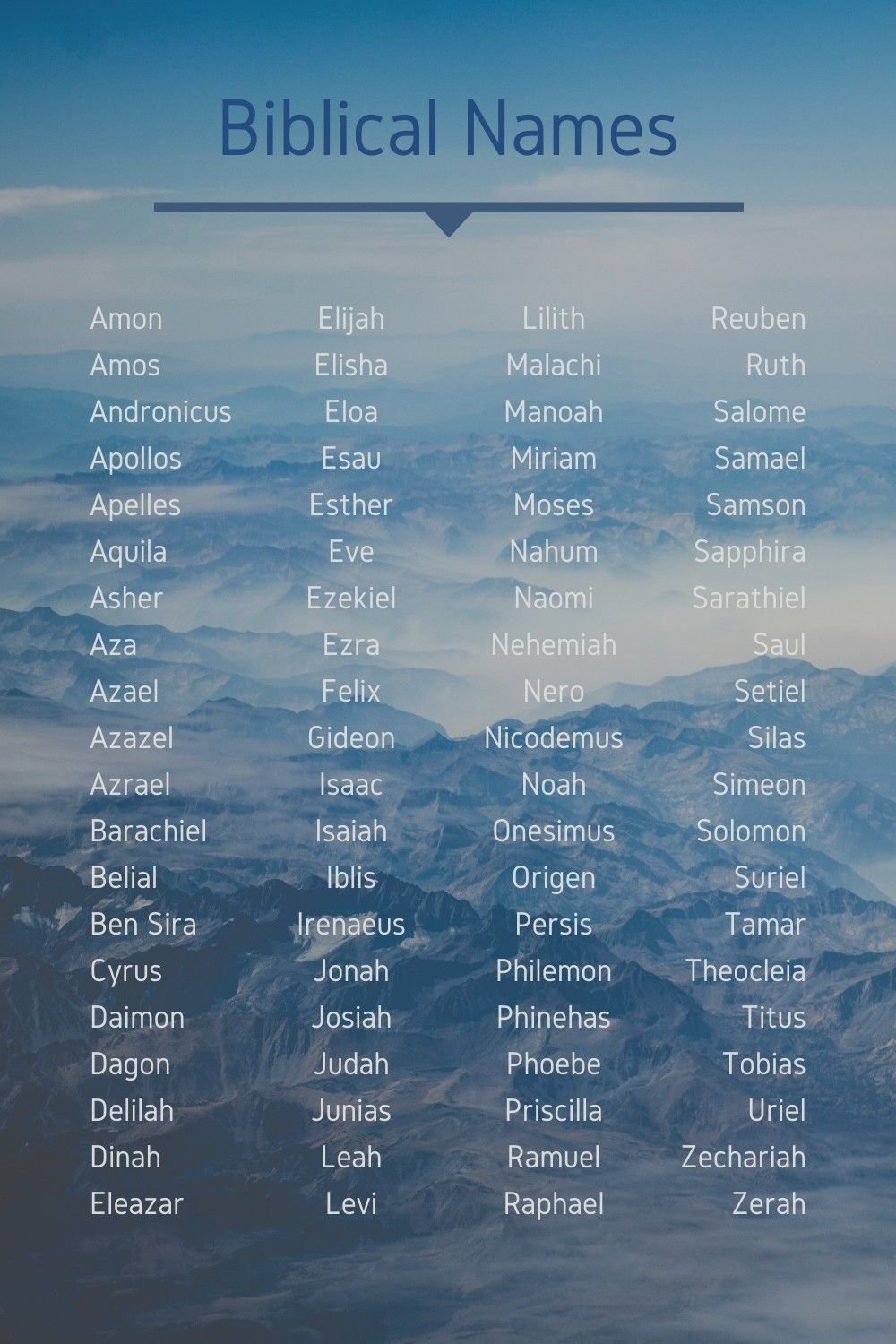
Choosing a name for your son is a profound act, a legacy you bestow. When you delve into holy bible names and meanings, you’re not just picking sounds; you’re inviting a rich spiritual heritage into his life. These names carry echoes of ancient wisdom, divine purpose, unwavering faith, and remarkable strength, offering far more than just identification—they offer a narrative, a prayer, and a promise. Understanding this deeper layer of spiritual significance can transform your naming journey from a simple selection to a powerful declaration of your hopes and values for your child.
At a Glance: What You’ll Discover
- Unpack the spiritual layers: Go beyond dictionary definitions to grasp the narrative and theological weight behind biblical names.
- Connect meaning to aspiration: Learn how to align the historical and spiritual significance of names with your modern-day hopes for your son.
- Navigate complex narratives: Understand how to approach names associated with challenging or nuanced biblical stories.
- Identify themes of virtue and strength: Discover names embodying courage, wisdom, leadership, faith, and divine protection.
- Make an informed, intentional choice: Equip yourself with practical steps and insights to choose a name rich in spiritual depth.
The Enduring Resonance of Biblical Names
For millennia, names drawn from the Holy Bible have served as touchstones of identity, faith, and aspiration. They are not merely labels; they are capsules of history, character, and divine interaction. From the patriarchs and prophets of the Old Testament to the apostles and figures of the New, each name carries a story, a purpose, and often, a direct connection to God’s plan. This inherent narrative power is what lends biblical names their distinct spiritual significance, setting them apart from purely secular choices.
When a parent chooses a name like Abraham, they aren’t just selecting a sound; they’re invoking the “father of multitudes,” a figure of immense faith, trust, and leadership, known as “God’s friend.” Similarly, Daniel, meaning “God is my judge,” speaks to unwavering faith in the face of adversity and divine justice. These names become whispered blessings over a child, guiding principles, and a daily reminder of a spiritual lineage. They offer a tangible connection to a continuous thread of faith that spans centuries, imbuing a child’s identity with a sense of purpose and belonging from day one.
Discerning Spiritual Significance: More Than Just a Translation
Understanding the true spiritual weight of a biblical name requires more than a simple definition. It involves exploring the character associated with the name, the historical context, the lessons learned from their life, and the theological implications.
Let’s consider a few examples from the rich tapestry of biblical names to illustrate this depth:
- Aaron (Exalted, High Mountain): Beyond the meaning, Aaron was the first high priest, symbolizing eloquence and a unique role in mediating between God and man. His story teaches about leadership, responsibility, and the sacredness of divine service. Choosing Aaron can signify a hope for a child who leads with grace and dedication, holding a high standard for himself and others.
- Caleb (Faith and Devotion): This name embodies unwavering loyalty and courage. Caleb was one of the two spies who trusted God’s promise about the Promised Land, even when others doubted. His story is a powerful testament to faith over fear, and choosing Caleb speaks to a desire for a son with resolute conviction and devotion.
- Elijah (My God is Yahweh): A name for a powerful prophet, Elijah’s life was marked by fiery zeal, divine intervention, and direct communication with God. He confronted idolatry and demonstrated God’s supremacy. This name carries a spiritual significance of prophetic truth, divine strength, and standing firm in one’s faith.
- Gabriel (God is My Strength): Gabriel is known as a divine messenger, bringing pivotal announcements. The name itself reinforces the idea that strength comes from God. This is a name for a child hoped to be a bearer of good news, and whose life will be empowered by divine might.
These examples reveal that the spiritual significance is often woven into the story of the name, offering a narrative framework for a child’s character and potential. For a broader exploration of these powerful appellations, consider consulting a comprehensive resource like the Biblical Boy Names Guide, which can introduce you to over 300 names rich in history and potential.
Navigating the Narrative: Connecting Biblical Stories to Modern Virtues
When exploring holy bible names and meanings, parents are often looking for names that instill particular virtues or reflect specific aspirations. The biblical narratives provide a rich source for these connections.
Themes of Strength and Courage
Many biblical figures faced immense challenges, demonstrating incredible fortitude.
- David (Beloved): Most famously known for his courage against Goliath, David became a king, a poet, and a man after God’s own heart, despite his flaws. His name signifies not just a beloved status but also the courage to face giants, leadership, and a deep, if sometimes complex, relationship with God.
- Gideon (He Who Cuts Down): Gideon was a reluctant but ultimately brave judge who, with God’s help, led a small army to victory against overwhelming odds. His name is perfect for a child whose parents hope he will be a strong leader, trusting in divine strategy and perseverance.
- Benjamin (Son of My Right Hand): This name suggests strength and favor. Benjamin’s tribe was known for being fierce warriors. It’s a name that evokes power, confidence, and a privileged position.
Embodying Wisdom and Foresight
Some biblical names resonate with deep insight and a connection to divine understanding.
- Amos (Brave, Strong): As a prophet, Amos foretold destruction but also called for justice. His name, while meaning “strong,” carries the spiritual significance of speaking truth, having foresight, and standing for righteousness, even when unpopular.
- Solomon (Peaceful): Though not explicitly in the provided list, Solomon is a prime example of a biblical name associated with unparalleled wisdom, a gift from God. This theme of wisdom is highly sought after by parents.
- Hezekiah (My Strength is the Lord): A righteous king who devoted himself to God, Hezekiah reformed Judah and trusted God through siege. His story signifies not just strength, but wisdom in leadership, deep devotion, and the rewards of obedience.
Cultivating Peace and Compassion
Not all strength is outward; many names signify inner peace, compassion, and reconciliation.
- Barnabas (Son of Consolation): Originally Joses, he was renamed due to his compassionate nature, giving his wealth to help the poor. This name signifies kindness, encouragement, and being a source of solace to others, embodying a profound spiritual gift.
- Bohan (Boundary, Landmark): While less about a person, Bohan marked a boundary that helped maintain peace between tribes. As a name, it can represent a desire for a child to be a peace-keeper, level-headed, and respected for their ethical outlook.
Practical Playbook: Choosing a Name with Intentional Spiritual Depth
Selecting a name from the Bible with genuine spiritual significance requires thoughtful consideration. Here’s a step-by-step approach:
- Identify Core Values: Before looking at names, articulate the top 3-5 virtues or characteristics you hope to instill in your son. Do you prioritize faith, courage, wisdom, compassion, or leadership? This focus will guide your search.
- Example Snippet: “We really want our son to be strong in his convictions and a leader who inspires. That pointed us towards names with themes of divine strength and brave leadership.”
- Explore the Narrative Behind the Meaning: Don’t stop at the literal translation. Research the story of the biblical figure associated with the name.
- Consider: What were their key struggles and triumphs? How did they interact with God? What lessons can be drawn from their life?
- Pitfall: A name like Cain meaning “spear” or “possessed,” is deeply tied to the first murder. While it has historical significance, its spiritual connotation for a child is often overshadowed by its negative association, requiring careful discernment.
- Reflect on the Character’s Journey: No biblical figure was perfect. Many had complex lives.
- Example: Jacob (He Who Supplanting): His early life involved deception, but his later life was marked by wrestling with God and transformation, becoming Israel. Choosing Jacob might signify a hope for resilience, growth, and a deep personal journey with faith. Acknowledging this complexity adds to the richness of the name’s significance.
- Actionable Advice: Even names with challenging histories can offer powerful lessons on repentance, redemption, and God’s enduring grace, if you choose to focus on those aspects.
- Consider the “Sound Test” and Modern Relevance: While spiritual significance is key, how the name sounds and fits into contemporary society matters.
- Ask Yourself: Is it pronounceable? Does it flow well with your surname? Will it be a source of pride or potential difficulty for your child?
- Case Snippet: “We loved the significance of Hezekiah, but for our family, Ezra (meaning ‘help’), which also has a powerful story of leading a people back to God, felt like a better fit for modern use while retaining profound spiritual depth.”
- Seek Divine Guidance: For many, the choice of a biblical name is a spiritual act in itself.
- Best Practice: Pray over your list of potential names. Reflect on which name truly resonates with your spirit and feels “right” for your unique child, trusting that God’s guidance is part of this significant decision.
Quick Answers: Common Questions on Holy Bible Names and Meanings
Q: Are all biblical names equally spiritually significant?
A: Not in the same way. While all names in the Bible are part of the sacred text, their spiritual significance for naming a child varies. Some names are tied to pivotal figures with clear virtues (e.g., Abraham, David, Samuel), while others might be more obscure or associated with complex narratives (e.g., Anak, Buz) that require deeper interpretation to find positive spiritual meaning. The depth of the narrative and character often dictates the perceived spiritual weight.
Q: What if a name has a complex or challenging biblical story?
A: This requires careful discernment. A name like Cain or Esau (who sold his birthright) carries significant negative connotations for many. While they are biblical, choosing them requires a conscious decision to either reinterpret their meaning or acknowledge the challenges associated with the character. Some parents might choose to focus on a lesser-known positive aspect or a lesson from the story, but it’s important to be aware of the common perception. Conversely, a name like Jacob (who deceived his brother) is widely accepted due to his later transformation and becoming the patriarch of Israel. Context and common interpretation matter.
Q: How do I balance spiritual meaning with modern appeal?
A: Many biblical names naturally bridge ancient tradition with modern style. Names like Asher (“happy”), Ethan (“strong and firm”), Ezra (“help”), Caleb (“faith and devotion”), and Elijah (“my God is Yahweh”) are consistently popular today, precisely because they offer both timeless meaning and contemporary appeal. Focus on names that have positive associations, pleasant sounds, and are not overly difficult to spell or pronounce in your region. Often, the strong, positive virtues these names represent are universally appealing, regardless of religious background.
Q: Can a non-religious family still appreciate holy bible names and meanings?
A: Absolutely. The Bible is a foundational text in Western culture, and its stories and characters embody universal human themes of courage, loyalty, wisdom, and overcoming adversity. A non-religious family might appreciate names for their historical significance, powerful meanings, or the strong character traits they represent, even without subscribing to the specific theological implications. Many biblical names are simply beautiful, strong, and timeless, appealing to a broad spectrum of parents.
Your Intentional Naming Journey
Choosing a name is a beautiful, deeply personal journey. When you lean into the rich tradition of holy bible names and meanings, you’re not just finding a label; you’re discovering a heritage, a blessing, and a guiding light for your son’s path. By exploring the narratives, discerning the virtues, and reflecting on the spiritual echoes, you select a name that is not only resonant but also deeply intentional. May your choice be a source of strength, meaning, and pride for your son for years to come.

- Holy Bible Names and Meanings and Their Spiritual Significance - November 4, 2026
- Powerful Masculine Bible Names Imbued with Meaning and Heritage - November 3, 2026
- Male Bible Names With Strong Meanings And Lasting Legacy - November 2, 2026