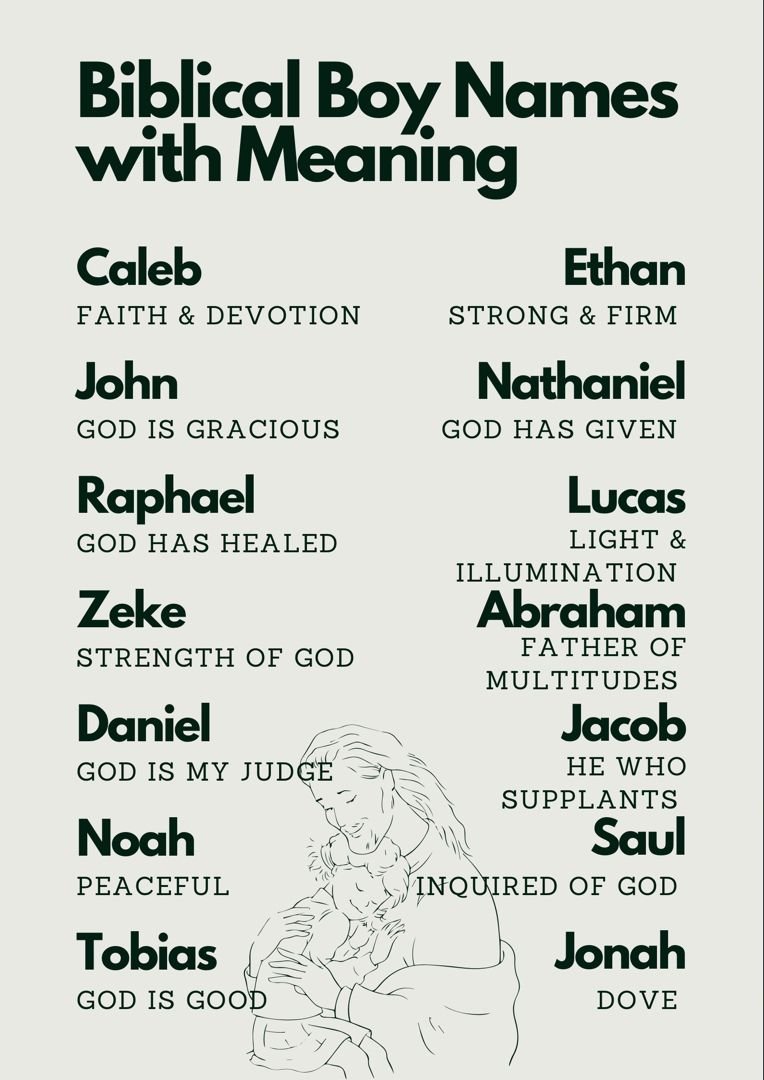
Choosing a name for your son is a deeply personal and often spiritual journey, especially when you’re looking for a name rooted in faith. The tradition of selecting Christian names and meaning for boys connects a new life to a rich tapestry of biblical stories, spiritual heritage, and enduring virtues. These names are more than just labels; they serve as testimonies, prayers, and promises, reflecting a family’s commitment to faith and a hope for their son’s character. For generations, parents have found profound significance in names that echo the strength, wisdom, and devotion of figures from scripture and church history.
At a Glance: Crafting a Meaningful Christian Name for Your Son
- Understand the Foundations: Explore the four main categories of Christian names for boys, from classic biblical figures to modern virtue-inspired choices.
- Decipher Deep Meanings: Learn how each name carries a unique spiritual message and historical legacy.
- Strategize Your Selection: Follow practical steps to balance tradition with contemporary appeal and personal significance.
- Navigate Common Dilemmas: Get answers to frequent questions about choosing a name that truly reflects your faith.
- Build a Lasting Legacy: Discover how a carefully chosen Christian name can inspire and guide your son throughout his life.
Why Christian Names Carry Such Weight
The act of naming a child in the Christian tradition is often seen as a sacred decision, formally bestowed during baptism or christening. It’s a moment when parents consciously connect their child to a spiritual lineage, a community of faith, and an aspiration for their future. This isn’t just about picking a pleasant sound; it’s about invoking a legacy, imbuing a child with a sense of purpose, and sometimes even a prayer for the virtues that name represents.
Christian baby boy names broadly fall into categories that help articulate their specific roots and resonance:
- Classic Biblical Boy Names: These are names taken directly from Scripture, carrying immense historical and spiritual weight. Think of the foundational figures whose stories form the bedrock of Judeo-Christian faith.
- Names of New Testament Saints and Apostles: Honoring the early church leaders, disciples, and saints who spread the Christian message and laid down their lives for their beliefs.
- Old Testament Patriarchs and Kings: These names represent leadership, covenant faithfulness, divine purpose, and the foundational narratives of God’s interaction with humanity.
- Modern Faith-Based Options: Contemporary choices that might not be direct biblical figures but reflect Christian virtues, positive traits, or have developed associations within Christian culture.
For a wider lens on powerful choices, exploring Strong Biblical Names for Sons can provide even more foundational insights into many of these categories.
Deciphering the Depths: Understanding Christian Names and Meaning
Each Christian name is a miniature story, a historical marker, or a profound statement. Understanding these layers is key to making an informed and meaningful choice.
Classic Biblical Boy Names: Foundations of Faith
These names are drawn directly from the narratives that define our faith, often representing significant turning points or embodying core theological concepts. They carry the weight of centuries, offering a powerful link to the origins of belief.
- Adam (Hebrew: “Man” or “earth”): The very first human created by God, symbolizing humanity, new beginnings, and the potential for redemption. A timeless choice for its foundational significance.
- Abraham (Hebrew: “Father of many nations”): The patriarch of faith, whose unwavering trust in God led to a covenant that shaped history. This name embodies ethics, trust, strength, leadership, and humility.
- Moses (Egyptian: “Drawn out of water”): The iconic deliverer who led Israel from slavery and received the Ten Commandments. A name signifying profound leadership, divine guidance, and liberation.
- David (Hebrew: “Beloved”): Israel’s greatest king, a man after God’s own heart, and an ancestor of Jesus. David signifies profound love, courage, artistic talent (as a psalmist), and a deep relationship with God.
- Noah (Hebrew: “Rest” or “comfort”): A righteous man who built the ark, saving humanity and animals from the great flood. Noah symbolizes new beginnings, obedience, and divine salvation.
New Testament Heroes: Disciples, Apostles, and Early Church Leaders
Naming a son after a New Testament figure connects him to the very beginning of the Christian church, honoring those who walked with Jesus or dedicated their lives to spreading His message.
- Peter (Greek: “Rock”; original name Simon, Hebrew: “He has heard”): Jesus’s chief disciple, who became the foundation stone of the early church. Peter signifies steadfastness, leadership, and a transformed life.
- Paul (Latin: “Small” or “humble”): Originally Saul, he became the greatest missionary and apostle, writing much of the New Testament. Paul represents profound conversion, zeal, theological depth, and humility.
- James (Hebrew: “Supplanter”): One of Jesus’s disciples and his brother, an early church leader who wrote Scripture. James signifies leadership, wisdom, and practical faith.
- John (Hebrew: “God is gracious”): Jesus’s beloved disciple, author of a Gospel and Revelation. John symbolizes profound love, spiritual insight, and divine grace.
- Luke (Greek: “Light-giving”): A physician who wrote a Gospel and Acts, and a trusted companion of Paul. Luke represents intelligence, compassion, meticulousness, and a commitment to historical truth.
- Timothy (Greek: “Honoring God”): Paul’s young protégé and pastor, known for his genuine faith and dedication. Timothy signifies loyalty, mentorship, and a pure heart.
- Stephen (Greek: “Crown”): The first Christian martyr, known for his powerful preaching and unwavering faith in the face of persecution. Stephen symbolizes courage, conviction, and sacrificial love.
- Barnabas (Aramaic: “Son of encouragement”): An early church leader known for generosity, compassion, and supporting others, especially Paul. Barnabas represents friendship, encouragement, and a servant’s heart.
Old Testament Pillars: Patriarchs, Prophets, and Kings
These names draw from the ancient stories of covenant, prophecy, and leadership, providing a strong sense of heritage and divine purpose.
- Isaac (Hebrew: “Laughter”): Abraham’s miraculously promised son, representing God’s faithfulness, joy, and the unexpected fulfillment of promises.
- Jacob (Hebrew: “Supplanter” or “holder of the heel”): A patriarch whose twelve sons became Israel’s tribes, later renamed Israel (“Struggles with God”). Jacob signifies perseverance, transformation, and divine encounter.
- Joseph (Hebrew: “He will add”): Jacob’s son who saved Egypt from famine, and Jesus’s earthly father. Joseph embodies integrity, wisdom, forgiveness, and divine providence.
- Daniel (Hebrew: “God is my judge”): A prophet known for his unwavering faith, wisdom, and miraculous deliverance in Babylon. Daniel represents courage, integrity, and divine protection.
- Elijah (Hebrew: “Yahweh is God”): A powerful prophet who confronted false gods and performed miracles. Elijah embodies zealous faith, devotion, and prophetic authority.
- Isaiah (Hebrew: “Salvation of the Lord”): A major prophet who vividly foretold Christ’s coming and suffering. Isaiah signifies prophetic insight, divine comfort, and hope.
- Gideon (Hebrew: “Mighty warrior”): A judge who, despite his humble beginnings, delivered Israel through faith and divine strategy. Gideon symbolizes humility combined with strength, faith, and strategic leadership.
- Nehemiah (Hebrew: “Comforted by God”): A leader who rebuilt Jerusalem’s walls despite opposition, demonstrating incredible perseverance and faith. Nehemiah represents divine comfort, leadership, and resilience.
Beyond the Biblical Text: Modern & Virtue-Driven Choices
While many Christian names come directly from Scripture, others are cherished for reflecting Christian virtues or have gained spiritual association through history, saints, or their inherent meanings.
- Alfie (English: “Wise, noble”): An endearing and friendly name that resonates with Christian values of wisdom and noble character. (UK #16)
- Arlo (Old English/Spanish: “Fortified hill”): Symbolizes strength and refuge, echoing the biblical imagery of God as our fortress. (UK #15)
- Arthur (Celtic: “Bear”): A timeless name associated with legendary leaders and virtues like courage, justice, and leadership, all highly valued in Christian ethics. (UK #4)
- Charlie (English: “Free man”): A cheerful and friendly name that can reflect the Christian concept of freedom and liberation found in Christ. (UK #17)
- Edward (Old English: “Wealthy guardian”): A regal and classic name symbolizing strength, prosperity, and protection, echoing the role of a guardian in faith. (UK #30)
- Henry (Germanic: “Home ruler”): A distinguished name with noble history, carried by numerous Christian kings, saints, and leaders. It suggests stewardship and responsible leadership. (UK #12, US #6)
- George (Greek: “Farmer, earthworker”): A regal and timeless name associated with Saint George, symbolizing bravery, perseverance, and virtue. (UK #6)
- Finley (Scottish/Irish: “Fair warrior”): Symbolizing strength and fairness, virtues central to a Christian character. (UK #18)
- Freddie (Germanic: “Peaceful ruler”): Reflects peace and leadership, aligning with Christian values of seeking peace and governing justly. (UK #13)
Crafting Your Son’s Legacy: A Practical Naming Playbook
Choosing a Christian name is a prayerful process. Here’s a practical guide to help you navigate your options and land on a name that truly resonates.
Step 1: Reflecting Your Family’s Faith & Denomination
Consider your family’s specific Christian traditions. Do you observe a saint’s calendar? Are there specific biblical figures particularly revered in your church or heritage? For instance, some denominations might favor names of specific apostles or martyrs, while others focus on names embodying virtues. Your faith community can often be a wellspring of inspiration.
Step 2: Balancing Tradition with Timeless Appeal
While deeply meaningful, some biblical names might feel dated or overly formal in contemporary society. Seek names that carry strong spiritual significance but also have a pleasing sound and fit well with modern sensibilities. A name like Ethan (Hebrew: “Strong,” “firm,” or “enduring”) is a perfect example, appearing in the Old Testament yet ranking highly in popularity today (UK #48, US #19). It offers both ancient roots and modern appeal.
Step 3: Beyond Sound: Exploring Deep Spiritual Meaning
Don’t just pick a name because it sounds nice. Dive into its origin and meaning. Choosing Gabriel (Hebrew: “God is my strength”) isn’t just selecting a beautiful archangel’s name; it’s invoking a daily reminder that God is the source of all strength. Similarly, Asher (Hebrew: “Happy” or “blessed”) isn’t just an adorable name; it’s a blessing over your child, signifying joy and abundance directly from God. Let the name’s meaning serve as a prayer or a prophetic hope for your son.
Step 4: The Sound and Flow Test
Once you have a shortlist, say each name aloud with your surname. Does it flow well? Is it easy to pronounce and spell? Does it have intuitive nicknames? Imagine calling your son’s name across a playground or introducing him professionally years from now. A name like Caleb (Hebrew: “Devotion to God” or “whole-hearted”) is strong and clear, pairing well with many surnames and offering a classic yet approachable feel.
Step 5: Considering Uniqueness vs. Familiarity
Some parents prefer widely recognized names, while others seek something more distinct. The provided list offers a spectrum. Ezra (Hebrew: “Help” or “helper”) is gaining popularity (UK #38, US #13) but still feels distinctive with a powerful story of spiritual revival. For a truly unique choice, names like Agabus (Hebrew: “Locust,” a prophet in Acts) or Ananias (Hebrew: “God has favored,” a disciple who baptized Paul) are deeply biblical but rarely heard today, offering a unique identity. Weigh the desire for familiarity against the appeal of individuality.
Spotlight on Significance: Popular Christian Names and Their Enduring Stories
Let’s look at a few names from our comprehensive list that resonate widely today, showcasing how their ‘christian names and meaning’ continue to inspire.
- Elijah (Hebrew: “Yahweh is God”): This powerful name consistently ranks high (UK #23, US #8), reflecting a desire for a son to embody profound faith and devotion. The prophet Elijah challenged false gods and performed miracles, becoming a symbol of unwavering trust in God. Naming a son Elijah is often a hope that he too will stand firm in his convictions.
- Henry (Germanic: “Home ruler”): A perennial favorite (UK #12, US #6), Henry’s regal and noble history is intertwined with countless Christian kings and saints. It suggests a character of leadership, responsibility, and stewardship—virtues highly prized in Christian teaching. It’s a classic choice for parents seeking a name with both historical weight and a sense of timeless dignity.
- Ezra (Hebrew: “Help” or “helper”): Rising in popularity (UK #38, US #13), Ezra carries the weight of a priest and scribe who led a spiritual revival and restored Jewish law. This name embodies dedicated service, wisdom, and a commitment to God’s word, making it a powerful choice for a boy.
- Alexander (Greek: “Defender of men”): A strong and dignified name (UK #36, US #27), Alexander appears in the New Testament and belongs to several early Christian saints and martyrs. It implies strength, protection, and a willingness to stand for what is right, qualities deeply admired in Christian character.
- Ethan (Hebrew: “Strong,” “firm,” or “enduring”): This name (UK #48, US #19) speaks to resilience and fortitude. As a wise man in the Old Testament, Ethan represents stability, wisdom, and guidance—qualities parents often pray for in their sons. It’s a name that feels both ancient and perfectly suited for modern times.
Common Questions on Christian Names and Meaning
Parents often grapple with specific considerations when choosing a faith-based name. Here are answers to some common questions:
Are all biblical names considered Christian names?
Yes, generally all names derived directly from the Bible—from both the Old and New Testaments—are considered Christian names. They form the foundational category. However, “Christian names” can also extend to names reflecting Christian virtues (like Alfie or Arthur, associated with nobility and bravery) or names of saints not explicitly in the Bible (like George), provided they carry strong Christian associations and meanings within the tradition.
How do I choose between a classic biblical name and a more modern, virtue-driven Christian name?
Consider what you want the name to emphasize. A classic biblical name like Joshua (“The Lord is salvation”) directly connects your son to a specific biblical hero and his story of leadership and faith. A virtue-driven name like Archie (“Truly brave,” reflecting bravery and integrity) might highlight a desired character trait without necessarily tying him to a specific ancient narrative. Many parents find a balance, perhaps using a classic biblical name for a first name and a virtue-driven name or a family name for a middle name.
What if I love a name with a challenging biblical story?
Some biblical names are associated with figures whose stories are complex or negative (e.g., Ahab). If a name’s primary significance in the biblical narrative or tradition is negative, it’s often wise to approach with caution. While unique, the name’s meaning and historical context are key. Focus on names where the ground truth provides positive significance or desirable traits you wish for your son. Names like Job (“Persecuted” or “hated”) might denote perseverance, but it’s important to consider the full weight of the narrative.
What’s the role of baptism or christening in choosing a Christian name?
In many Christian denominations, names are formally bestowed and affirmed during baptism or christening. This ritual symbolizes the child’s entry into the Christian community. The chosen name often carries spiritual significance for the child’s future, with many parents selecting names that they believe will inspire their son to live a life of faith and purpose, aligning with the virtues or stories associated with that name. It formalizes the spiritual intent behind the naming.
Your Journey to a Meaningful Name: Concrete Takeaways
Choosing your son’s Christian name is a profound act of love and faith. It’s a unique opportunity to bestow upon him a piece of spiritual heritage, a daily reminder of God’s presence, or an aspiration for his character.
Here’s a quick roadmap to help you finalize your decision:
- Reflect on Your “Why”: Why are you seeking a Christian name? Is it for tradition, meaning, a role model, or a specific virtue? Your “why” will guide your search.
- Explore the Categories: Dive into names from the Classic Biblical, New Testament, Old Testament, and Modern Faith-Based lists. Each category offers distinct flavors of spiritual connection.
- Prioritize Meaning: Don’t settle for a sound alone. Understand the Hebrew, Greek, or Latin roots. Let the meaning—whether “God is my strength” (Gabriel) or “Beloved” (David)—be a guiding light.
- Test for Fit: Say the name aloud with your surname. Consider potential nicknames. Ensure it feels right for your family and sounds good in everyday life.
- Seek Spiritual Affirmation: Pray about your choices. This sacred decision, rooted in faith, deserves spiritual discernment.
The name you choose will be whispered in lullabies, called out in joy, and stand as a testament to your hopes and prayers for your son. Embrace this beautiful journey, knowing that every Christian name carries a legacy of strength and profound meaning.

- Christian Names and Meaning Reveal Enduring Choices for Boys - November 6, 2026
- Biblical Boy Names and Meanings Offer Powerful Spiritual Legacies - November 5, 2026
- Holy Bible Names and Meanings and Their Spiritual Significance - November 4, 2026