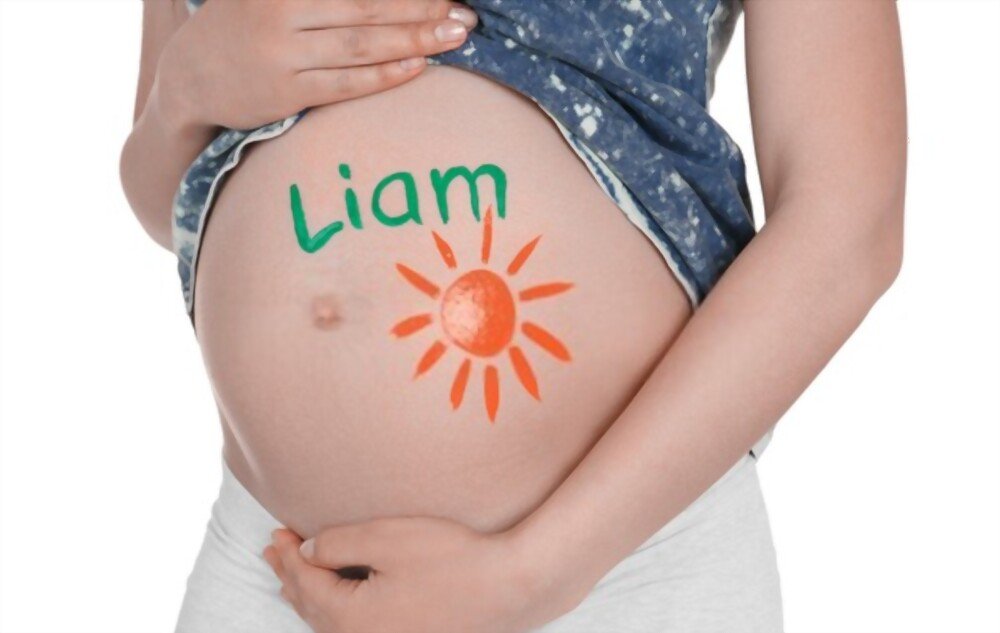
When you hear the name Liam, what comes to mind? For many, it evokes a sense of modern charm combined with classic strength. Yet, the full Liam name meaning goes far beyond surface appeal, delving into a history rooted in unwavering protection and strong will. This isn’t just a popular name; it carries a powerful, ancient promise embedded in its very sound.
At a Glance: Unpacking Liam’s Meaning
- Core Identity: Liam means “resolute protector” or “helmet of will,” signifying steadfastness and guardianship.
- Historical Journey: Traces from Old Germanic Willahelm, through Norman influence, to its distinct Irish short form.
- Dual Resonance: Primarily Germanic/Irish, with an intriguing ‘my nation/my people’ meaning in Hebrew.
- Masculine Strength: Overwhelmingly associated with masculine traits, offering a clear, strong identity.
- Modern Relevance: Its deep meaning contributes to its enduring, generation-defining global popularity.
- Practical Implications: Offers parents a name that balances traditional solidity with contemporary approachability.
Unpacking “Liam Name Meaning”: The Core Identity
At its heart, the Liam name meaning is incredibly potent: “resolute protector.” This isn’t merely a decorative label; it’s a descriptor that speaks to intrinsic character and a sense of guardianship. To truly appreciate this, we need to trace Liam’s linguistic journey, which begins far from the emerald isle.
Liam emerges as an Irish short form of William. But William itself has an older story, stemming from the Old Germanic name Willahelm. This older name is where the core components of Liam’s meaning truly lie. “Willa” translates to “will,” “desire,” or “resolution,” while “Helm” means “helmet,” “protection,” or “guardian.” When you combine these, you get the powerful imagery of someone whose will is their helmet—a steadfast, unyielding guardian.
Beyond the Shield: A Deeper Look at “Will” and “Protection”
Understanding the etymology of Liam name meaning isn’t just an academic exercise; it offers insight into the qualities historically valued in a leader or a family member. The “will” isn’t passive; it implies strong determination, a clear sense of purpose, and the resolve to see things through. This isn’t just about wishing for something; it’s about actively pursuing it with conviction.
Coupled with “protection,” this meaning paints a picture of someone who not only has strong convictions but also uses them to safeguard what matters. In a modern context, this translates beautifully to qualities like reliability, loyalty, and a strong moral compass. It suggests a person who stands firm, offering stability and security to those around them. This inherent strength and dependability make Liam a name that resonates deeply with parents seeking a foundational identity for their child.
A Tapestry of Meanings: The Hebrew Nuance
While Liam’s primary etymological roots are firmly Germanic and Irish, an interesting alternative interpretation arises in Hebrew, where the name can mean ‘my nation’ or ‘my people.’ This adds another layer of depth to the Liam name meaning, albeit through a different cultural lens. This Hebrew meaning speaks to a sense of belonging, community, and perhaps even leadership within a group.
For parents with a connection to Hebrew culture or those who appreciate names with multiple layers of significance, this secondary meaning might offer an appealing complement to its well-established Irish roots. It suggests a person who is not only a protector of individuals but also a steward of their community or heritage.
The Sound and Feel of Liam: Pronunciation and Persona
The way a name sounds can significantly shape its perception. Liam, pronounced LEE-uhm, is a two-syllable name that feels both crisp and warm. The standard pronunciation is widely accepted globally, contributing to its universal appeal and ease of translation across cultures. While some dialects might introduce a slight “y” sound (LEE-yum), the core pronunciation remains consistent and approachable.
This straightforward sound aligns well with the name’s meaning. It doesn’t require elaborate spelling or pronunciation guides, making it a safe yet distinctive choice. Moreover, Liam officially stands on its own as a full name, shedding any lingering perception of it being merely a diminutive. This contributes to its solid, grounded persona, perfectly echoing its “resolute protector” meaning. For a deeper dive into how this strong identity became so globally recognized, you can Explore Liam’s Irish origins.
Why Meaning Matters: Connecting to Liam’s Enduring Popularity
Liam’s meteoric rise in popularity in the United States, culminating in its reign as the number one boy’s name since 2017, isn’t just a trend; it’s a testament to the powerful resonance of its meaning. Parents aren’t just choosing a fashionable name; they are often instinctively drawn to the strong, positive connotations it carries. The Liam name meaning offers a balance of traditional strength with modern approachability, making it a safe, solid, and universally liked choice.
Its global appeal, evident in its high rankings in countries from Sweden to Chile, further underscores this point. The idea of a “resolute protector” translates well across cultures, speaking to a shared human desire for strength, stability, and care. This enduring popularity ensures Liam is not a passing fad but rather a “generation-defining” name that continues to embody admirable qualities for decades to come.
Numerology and Spiritual Resonance: What the Number 9 Adds
Beyond its linguistic origins, some parents explore the numerological significance of a name. For Liam, this leads to the number 9, which carries its own distinct set of associations. In numerology, the number 9 signifies humanitarianism, compassion, and a socially conscious nature.
This interpretation beautifully complements the “resolute protector” Liam name meaning. A protector isn’t just about physical safeguarding; it can also be about standing up for others, showing empathy, and contributing to the greater good. The numerological aspect suggests a Liam might naturally be drawn to causes that benefit humanity, acting as a compassionate guardian for those in need.
A “Saint” in Spirit: Liam’s Shared Patrons
For families with religious considerations, the absence of an explicit “Saint Liam” might seem like a drawback. However, given Liam’s direct derivation from William, it shares the patronage and feast days of prominent saints named William. Notable among these are Saint William of York and Saint William of Rochester.
This connection allows parents to still align the name with a tradition of piety and virtue, drawing on the historical impact of these venerated figures. It means that while the name Liam has a modern feel, it can still carry the weight of historical religious association, offering a blend of contemporary appeal and spiritual depth.
Liam in the Spotlight: Living Examples of Its Meaning
The qualities embedded in the Liam name meaning are often mirrored in the public figures who bear the name. Think of actors like Liam Neeson, known for his roles as strong, often protective figures in films like Taken, or Liam Hemsworth, who projects an image of steadfast charisma. Musicians like Liam Gallagher and Liam Payne, while known for their distinct personalities, nonetheless convey a certain resolute stage presence.
Beyond the entertainment world, the choice of Liam by celebrity parents—including Tori Spelling, Calista Flockhart, Rod Stewart, Kevin Costner, and Craig Ferguson—highlights its appeal among those who could choose any name. It suggests a desire to bestow a name that is both modern and grounded, embodying a sense of solid, admirable character that transcends fleeting trends. These real-world examples reinforce the name’s powerful yet accessible identity.
Making the Name Your Own: Practical Takeaways for Parents
Choosing a name is a significant decision, and understanding the Liam name meaning can enrich that choice. Here are some practical considerations:
- Embrace the “Protector” Aspect: If you’re drawn to the idea of strength, loyalty, and guardianship, Liam clearly aligns. It’s a name that projects quiet confidence rather than overt aggression.
- A Name for All Times: Liam’s journey from ancient Germanic roots to modern global favorite means it feels both classic and current. It’s not likely to sound dated quickly.
- Consider the Dual Meanings: While its primary meaning is “resolute protector,” the Hebrew ‘my nation/my people’ adds a communal dimension. Decide which resonance speaks most to you.
- Solidly Masculine: If you’re seeking a name with a strong and clear gender association, Liam fits perfectly. Its link to William solidifies its masculine identity, with very little crossover into unisex territory. For those seeking feminine alternatives with a similar sound, Lia, Liana, or even the less common Williamina are options.
- Easy International Appeal: If your family travels, has international connections, or values a name that translates well, Liam’s widespread pronunciation and popularity make it an excellent candidate.
Quick Answers: Your Liam Name Meaning FAQs
Here are some common questions parents have about the meaning behind the name Liam:
Q: Is Liam really an Irish name, or is its meaning Germanic?
A: Liam is definitively an Irish name as it is the Irish short form of William. However, its meaning (resolute protector) directly derives from the Old Germanic roots of William (Willahelm). So, it’s Irish in origin, but Germanic in etymological meaning.
Q: Does the name Liam have any negative connotations?
A: No, the Liam name meaning is overwhelmingly positive. “Resolute protector” signifies strength, determination, and care, all highly admirable qualities. Its widespread popularity also means it’s generally well-received.
Q: Is there a biblical meaning for Liam?
A: There is no explicit mention of Liam in the Bible, nor is there a specific “Saint Liam.” However, as a form of William, it shares the religious patronage and feast days of Saint William of York and Saint William of Rochester. The Hebrew meaning ‘my nation/my people’ is a separate linguistic interpretation.
Q: Does Liam work for a girl?
A: Liam is traditionally and overwhelmingly masculine, deriving from William. While some parents explore “boy names for girls,” Liam has not significantly crossed over into unisex territory. Feminine alternatives with similar sounds include Lia or Liana.
Q: How does Liam’s popularity affect its meaning?
A: Its popularity reinforces the positive associations of the name. As a “generation-defining” name, it carries a sense of reliability and widespread appeal, making its core meaning of “resolute protector” feel even more universally understood and valued.
Choosing With Purpose: What Liam’s Meaning Offers
In a world where names can feel fleeting, the Liam name meaning offers an anchor. It’s a name built on ancient foundations, signifying unwavering will and protective strength. For parents, choosing Liam isn’t just picking a popular moniker; it’s an intentional decision to bestow a name rich in history and powerful in implication. It’s a name that stands strong, just like the meaning it carries, promising a balance of tradition, approachability, and an inherent sense of steadfast guardianship.

- Preppy Girl Names Bringing Classic Elegance to Your Baby - October 18, 2026
- Preppy Names That Offer Timeless Charm and Effortless Collegiate Cool - October 17, 2026
- Aesthetic Male Names That Sound Like They Belong In A Novel - October 16, 2026